
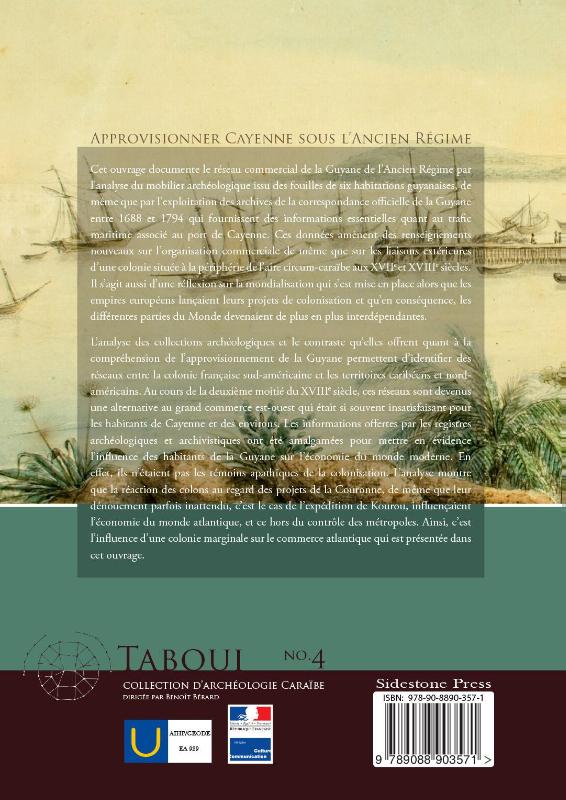
Approvisionner Cayenne sous l’Ancien Régime Archéologie et histoire des réseaux commerciaux
Ook verkrijgbaar als
Cet ouvrage documente le réseau commercial de la Guyane de l'Ancien Régime par l'analyse du mobilier archéologique issu des fouilles de six habitations guyanaises, de même que par l'exploitation des archives de la correspondance officielle de la Guyane entre 1688 et 1794 qui fournissent des informations essentielles quant au trafic maritime associé au port de Cayenne. Ces données apportent des renseignements nouveaux sur l'organisation commerciale de même que sur les liaisons extérieures d'une colonie située à la périphérie de l'aire circumcaraïbe au cours XVIIe et XVIIIe siècles. Plus largement, elles intègrent une réflexion sur la mondialisation qui s'est mise en place quand les empires européens lancèrent leurs entreprises de colonisation, rendant les différentes parties du monde de plus en plus interdépendantes.
L'analyse des collections archéologiques, et le contraste qu'elles offrent quant à la compréhension de l'approvisionnement de la Guyane, permettent d'identifier des réseaux entre la colonie française sud-américaine et les territoires caribéens et nord-américains. Au cours de la deuxième moitié du XVIIIe siècle, ces réseaux sont devenus une alternative au grand commerce est-ouest qui était si souvent insatisfaisant pour les habitants de Cayenne et des environs. Les informations offertes par les registres archéologiques et historiques ont été amalgamées pour mettre en évidence l'influence des habitants de la Guyane sur l'économie du monde moderne. En effet, les colons n'étaient pas les témoins d'une politique économique centrale. Leur réaction face aux projets de la Couronne, et face aux situations parfois tragiques, comme le dénouement de l'expédition de Kourou, a pu modifier l'économie du monde atlantique, hors du contrôle des métropoles. L'influence d'une colonie marginale sur le commerce atlantique se trouve ainsi éclairée.
English Abstract
This research documents commercial networks of French Guiana during the Ancien Régime (pre-revolutionary France). The analysis of archaeological collections from six plantation sites and the official correspondence of colonial authorities between 1688 and 1794, provides new insights into the commercial organisation and external links associated with this colony, located on the margin of the circum-Caribbean world. It also discusses the globalisation and interdependency between Europe and the colonies, which are the result of European imperialistic quests.
Archaeological analysis offers a novel understanding of French Guiana provisioning. It leads to the identification of important commercial networks linking Cayenne with the Caribbean islands and North-American colonies. During the second half of 18th century, these networks became an alternative to the great East-West commerce, which was so often unsatisfactory to the Cayenne island inhabitants. Archaeological and archival information were combined in order to document the influence of French Guiana on the modern World economy. It shows the settlers' reaction toward French government projects, and the unexpected turns that impact the Atlantic economy beyond the control of the Metropolis. Thus, this research is about the impact of a marginal colony on the Atlantic commercial networks.
L'analyse des collections archéologiques, et le contraste qu'elles offrent quant à la compréhension de l'approvisionnement de la Guyane, permettent d'identifier des réseaux entre la colonie française sud-américaine et les territoires caribéens et nord-américains. Au cours de la deuxième moitié du XVIIIe siècle, ces réseaux sont devenus une alternative au grand commerce est-ouest qui était si souvent insatisfaisant pour les habitants de Cayenne et des environs. Les informations offertes par les registres archéologiques et historiques ont été amalgamées pour mettre en évidence l'influence des habitants de la Guyane sur l'économie du monde moderne. En effet, les colons n'étaient pas les témoins d'une politique économique centrale. Leur réaction face aux projets de la Couronne, et face aux situations parfois tragiques, comme le dénouement de l'expédition de Kourou, a pu modifier l'économie du monde atlantique, hors du contrôle des métropoles. L'influence d'une colonie marginale sur le commerce atlantique se trouve ainsi éclairée.
English Abstract
This research documents commercial networks of French Guiana during the Ancien Régime (pre-revolutionary France). The analysis of archaeological collections from six plantation sites and the official correspondence of colonial authorities between 1688 and 1794, provides new insights into the commercial organisation and external links associated with this colony, located on the margin of the circum-Caribbean world. It also discusses the globalisation and interdependency between Europe and the colonies, which are the result of European imperialistic quests.
Archaeological analysis offers a novel understanding of French Guiana provisioning. It leads to the identification of important commercial networks linking Cayenne with the Caribbean islands and North-American colonies. During the second half of 18th century, these networks became an alternative to the great East-West commerce, which was so often unsatisfactory to the Cayenne island inhabitants. Archaeological and archival information were combined in order to document the influence of French Guiana on the modern World economy. It shows the settlers' reaction toward French government projects, and the unexpected turns that impact the Atlantic economy beyond the control of the Metropolis. Thus, this research is about the impact of a marginal colony on the Atlantic commercial networks.
In het kort
ISBN-13
9789088903571
Uitgever
Verschenen
1 maart 2016
Serie
Bibliografisch
Uitgave
Vorm & inhoud
ProductvormPaperback BC
SamenstellingLos product
Classificatie
NUR (hoofd)Archeologie 682
NUR (alle)682 Archeologie
Medewerkers
Auteur A01Catherine Losier
Herkomst
Werk-id (NSTC)500182492
MeldingBevestigd bij publicatie 03
Bijgewerkt6 augustus 2026
Lijkt op dit boek

Durrington Walls and Woodhenge: A place for the living

Durrington Walls and Woodhenge: A place for the living
Indigenous Knowledge in Transformation
Indigenous Knowledge in Transformation
Archaeological Approaches to Inequality, Political Organisation, and Social Complexity
Archaeological Approaches to Inequality, Political Organisation, and Social Complexity
Stadterweiterungen und urbane Dynamik im Mittelalter
Stadterweiterungen und urbane Dynamik im Mittelalter
Prehistoric Shore Settlements of the Southwestern Balkans
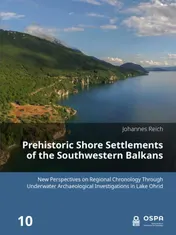
Prehistoric Shore Settlements of the Southwestern Balkans
NSTC 500182492 · CB-relatie 9180064 · Bijgewerkt 6 augustus 2026