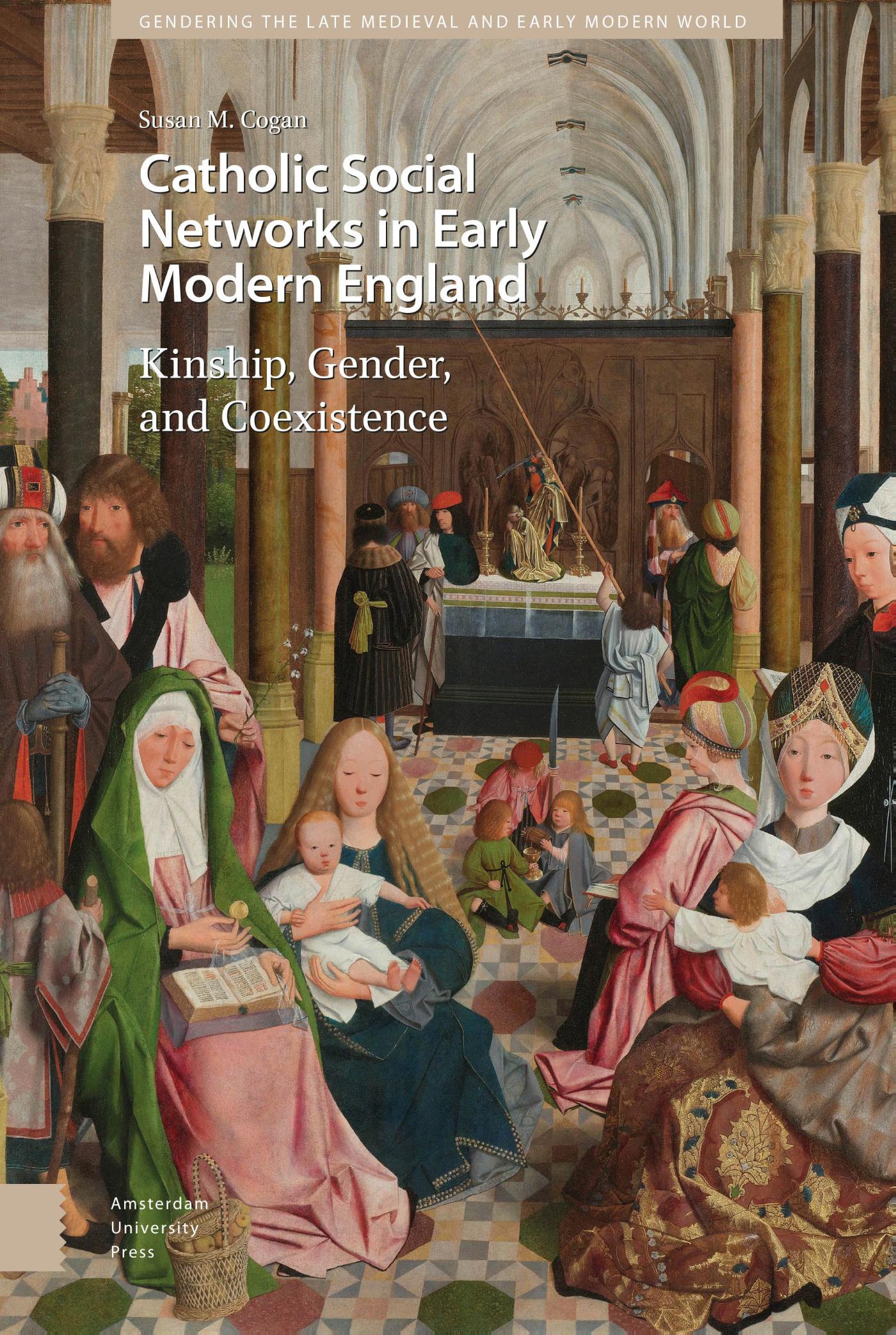
Catholic Social Networks in Early Modern England Kinship, Gender, and Coexistence
Catholic Social Networks in Early Modern England: Kinship, Gender, and Coexistence explores the lived experience of Catholic women and men in the post-Reformation century. Set against the background of the gendered dynamics of English society, this book demonstrates that English Catholics were potent forces in the shaping of English culture, religious policy, and the emerging nation-state. Drawing on kinship and social relationships rooted in the medieval period, post-Reformation English Catholic women and men used kinship, social networks, gendered strategies, political actions, and cultural activities like architecture and gardening to remain connected to patrons and to ensure the survival of their families through a period of deep social and religious change. This book contributes to recent scholarship on religious persecution and coexistence in post-Reformation Europe by demonstrating how English Catholics shaped state policy and enforcement of religious minorities and helped to define the character of early models of citizenship formation.
In het kort
ISBN-13
9789048552887
Uitgever
Verschenen
16 juni 2021
Imprint
Bibliografisch
ISBN-139789048552887
SerieGendering the Late Medieval and Early Modern World — deel 15
Editie1
TaalEngels eng
Pagina’s296
GeïllustreerdJa
Uitgave
UitgeverAmsterdam University Press
ImprintAmsterdam University Press
CB-relatie-id7400597
Verschenen16 juni 2021
StatusOnbekend 00
Vorm & inhoud
ProductvormE-book ED
VormdetailE107 PDF
SamenstellingLos product
Beveiliging e-bookAdobe DRM 03
Classificatie
NUR (hoofd)Nieuwe geschiedenis (1500-1870) 685
NUR (alle)685 Nieuwe geschiedenis (1500-1870)
Medewerkers
Auteur A01Susan M. Cogan
Herkomst
Werk-id (NSTC)501469596
MeldingBevestigd bij publicatie 03
Bijgewerkt6 augustus 2026
Lijkt op dit boek






NSTC 501469596 · CB-relatie 7400597 · Bijgewerkt 6 augustus 2026