
Contemporary Chinese Art Post-socialist, Post-traditional, Post-colonial
E-book1 pagina’sEngelsLeverbaar
Ook verkrijgbaar als
In the early 1990s artist Xu Bing stamped two pigs with respectively nonsensical Latin words and fake Chinese characters and allowed them to mate in an art gallery. The performance of ‘two creatures, devoid of human consciousness, yet carrying on their bodies the marks of human civilization’, engaging in the ‘most primal form of social intercourse’ confronted the public with the tension between nature and civilization. The work also addresses the tension between China and the West and therefore perfectly fits the core message of this book.
Contemporary art in China takes place in a post-socialist (post-Mao) context, and at the same time a post-traditional one, searching for balance between aesthetic legacy and modernization. It also tries to find its position in the post-colonial globalized arena.
This book explores the tension between individual artistic freedom and a dominant discourse of central Chinese government, between China’s cultural legacy and modernization, and between China and a global art world still dominated by a Western canon. As a case study it focuses on the artists who participated in the Venice Biennale in 1993, which was the first time contemporary art from mainland China was structurally invited to participate in a global art context.
Jeanne Boden has a PhD in Oriental Languages and Cultures. Her research focuses on Eurocentrism, Sinocentrism and contemporary Chinese art. (jeanneboden.com)
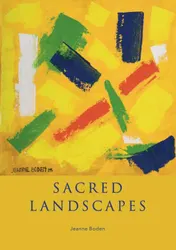
Cover picture: Xu Bing, A Case Study of Transference, 1993-94
Contemporary art in China takes place in a post-socialist (post-Mao) context, and at the same time a post-traditional one, searching for balance between aesthetic legacy and modernization. It also tries to find its position in the post-colonial globalized arena.
This book explores the tension between individual artistic freedom and a dominant discourse of central Chinese government, between China’s cultural legacy and modernization, and between China and a global art world still dominated by a Western canon. As a case study it focuses on the artists who participated in the Venice Biennale in 1993, which was the first time contemporary art from mainland China was structurally invited to participate in a global art context.
Jeanne Boden has a PhD in Oriental Languages and Cultures. Her research focuses on Eurocentrism, Sinocentrism and contemporary Chinese art. (jeanneboden.com)
Cover picture: Xu Bing, A Case Study of Transference, 1993-94
In het kort
Bibliografisch
ISBN-139789464590326
Editie2
TaalEngels eng
Pagina’s1
GeïllustreerdJa
Uitgave
UitgeverMeta4Books vzw
ImprintPUNCT
CB-relatie-id8592217
Verschenen8 april 2022
StatusLeverbaar 04
BeschikbaarheidBeschikbaar 20
Adviesprijs (incl. btw)€ 45,00
Vorm & inhoud
ProductvormE-book ED
VormdetailE101 EPUB
SamenstellingLos product
EPUB-versie2
Beveiliging e-bookGeen 00
Classificatie
NUR (hoofd)Kunst algemeen 640
NUR (alle)640 Kunst algemeen
Trefwoordencontemporary chinese art · jeanne boden · post-colonal · post-traditional · post-socialist · chinese art
Medewerkers
Auteur A01Jeanne Boden
Herkomst
Werk-id (NSTC)501468560
MeldingBevestigd bij publicatie 03
Bijgewerkt6 augustus 2026
Trefwoorden
Lijkt op dit boek
NSTC 501468560 · CB-relatie 8592217 · Bijgewerkt 6 augustus 2026