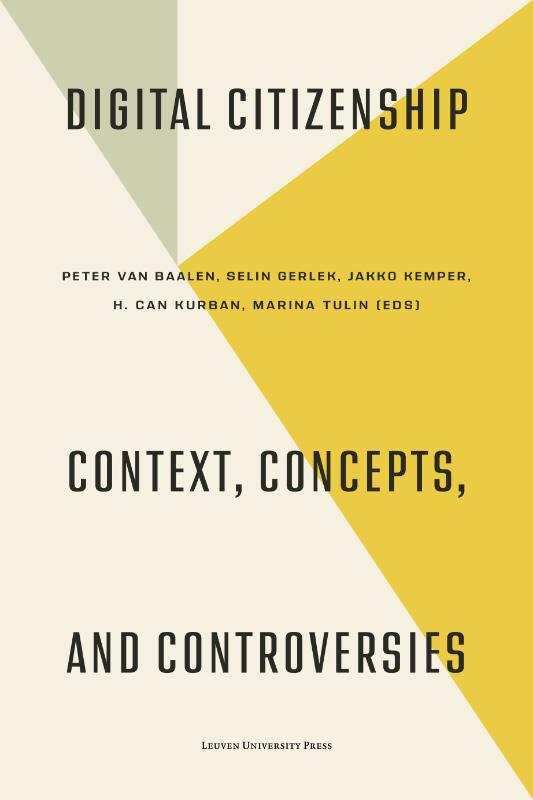
Digital Citizenship Context, Concepts, and Controversies
Paula Helm · Huub Dijstelbloem · Arad Ahi · Ans Kolk · Zahra Kashanizadeh · Henk Volberda · Marco L. Rapp · Myrto Pantazi · Joanna Strycharz · Hilde Voorveld · Selin Gerlek red. · Mahsa Shabani · James Hazel · Lianne Hoek · Remmert Daas · Ot van Daalen · Elke H. Olthuis · Jaron Harambam · Isabel Benedict · Jakko Kemper red. · Halil Can Kurban red. · Marina Tulin red. · Guda Van Noort · Tamar de Waal · Esther Weltevrede · Bidisha Chaudhuri
Hardback324 pagina’sEngels
Ook verkrijgbaar als
IntroductionRethinking Digital Citizenship as a Multilevel ConceptH. Can Kurban, Peter van Baalen, Selin Gerlek, Jakko Kemper, and Marina TulinChapter 1Citizenship and Digital Transformation—Towards a Multilevel FrameworkPeter van Baalen, Guda van Noort, Esther Weltevrede, Henk W. Volberda, and Giedo JansenChapter 2Platform Dominance and the Consumerisation of CitizenshipPeter van Baalen, Selin Gerlek, and H. Can KurbanChapter 3Publics, Persons, Populations: The Digitisation of Border Controls and Migration Management in EuropeHuub DijstelbloemChapter 4Digital Platforms as Corporate Citizens: EU Digital Regulation and the Governance of Platform PowerArad AhiChapter 5Framing Digital Transformation: Building Digital Citizenship through Organisational CommunicationZahra Kashanizadeh and Henk W. VolberdaChapter 6Digital Citizenship at Work: Reimagining Belonging, Rights, and Obligations in the Digital AgeMarco L. Rapp and Peter van BaalenChapter 7Navigating Information Disorder in the Digital Age: Social-Psychological Foundations of Digital CitizenshipMyrto Pantazi and Marina TulinChapter 8Digital Citizenship in the Context of AdvertisingGuda van Noort, Joanna Strycharz, and Hilde VoorveldChapter 9Ecologies of Digital Citizenship: Toward Sustainable Infrastructures for Civic ExistenceJakko KemperChapter 10Digitalisation of Healthcare and Citizens’ Rights: The Role of Regulation in Addressing ConcernsJames Hazel, Isabel Benedict, and Mahsa ShabaniChapter 11Citizenship Education in a Digital World: How Conceptualisations of Young People’s Digital Citizenship Relate to Citizenship in the Non-digital DomainLianne Hoek and Remmert DaasChapter 12The Citizen and Digitalised Institutions: The Process and Impact of Digitising the Judicial ProcessElke H. OlthuisChapter 13Taking Back Control: How to Enact Digital Citizenship in Today’s Corporatised Media EcosystemJaron HarambamAbout the authorsThe different dimensions and challenges of citizenship in the digital era.In the digital age, citizenship is increasingly detached from traditional boundaries and reshaped by digital transformation. New practices, relationships, and forms of participation raise conceptual, empirical, and normative questions about what it means to be a citizen today. This handbook maps the many dimensions of digital citizenship, and highlights the challenges and tensions that shape its development and asking how links between the digital realm and the public sphere create new forms of citizenship.'Digital Citizenship: Context, Concepts, and Controversies' provides an interdisciplinary examination of the nature and stakes of digital citizenship. Its chapters address rights, responsibilities, governance, and identity, and analyze how state–citizen relations evolve under digital transformation. Claims are illustrated with examples and case studies in areas such as education, healthcare, labor, international mobility sustainability, and democratic engagement. Covering topics such as eHealth, learning analytics, civic education, misinformation, and the digital divide, the book foregrounds EU regulations and their implications for citizenship. It serves international readers and blends theory with practical tools and examples suitable for undergraduate and graduate teaching, while also being relevant for policymakers.In the digital age, citizenship is increasingly detached from traditional boundaries and reshaped by digital transformation. New practices, relationships, and forms of participation raise conceptual, empirical, and normative questions about what it means to be a citizen today. This handbook maps the many dimensions of digital citizenship, and highlights the challenges and tensions that shape its development and asking how links between the digital realm and the public sphere create new forms of citizenship.'Digital Citizenship: Context, Concepts, and Controversies' provides an interdisciplinary examination of the nature and stakes of digital citizenship. Its chapters address rights, responsibilities, governance, and identity, and analyze how state–citizen relations evolve under digital transformation. Claims are illustrated with examples and case studies in areas such as education, healthcare, labor, international mobility sustainability, and democratic engagement. Covering topics such as eHealth, learning analytics, civic education, misinformation, and the digital divide, the book foregrounds EU regulations and their implications for citizenship. It serves international readers and blends theory with practical tools and examples suitable for undergraduate and graduate teaching, while also being relevant for policymakers.
In het kort
ISBN-13
9789462705319
Uitgever
Verschenen
21 oktober 2026
Imprint
Bibliografisch
ISBN-139789462705319
Editie1
TaalEngels eng
Pagina’s324
GeïllustreerdJa
Uitgave
UitgeverUniversitaire Pers Leuven
ImprintLeuven University Press
CB-relatie-id8004161
Verschenen21 oktober 2026
StatusAangekondigd 02
BeschikbaarheidContact leverancier 99
Zonder prijsPrijs volgt
Vorm & inhoud
ProductvormHardback BB
SamenstellingLos product
Classificatie
NUR (hoofd)Mens en maatschappij algemeen 740
NUR (alle)740 Mens en maatschappij algemeen
Medewerkers
Redacteur B01Peter van Baalen
Auteur A01Paula Helm
Auteur A01Huub Dijstelbloem
Auteur A01Arad Ahi
Auteur A01Ans Kolk
Auteur A01Zahra Kashanizadeh
Auteur A01Henk Volberda
Auteur A01Marco L. Rapp
Auteur A01Myrto Pantazi
Auteur A01Joanna Strycharz
Auteur A01Hilde Voorveld
Redacteur B01Selin Gerlek
Auteur A01Mahsa Shabani
Auteur A01James Hazel
Auteur A01Lianne Hoek
Auteur A01Remmert Daas
Auteur A01Ot van Daalen
Auteur A01Elke H. Olthuis
Auteur A01Jaron Harambam
Auteur A01Isabel Benedict
Redacteur B01Jakko Kemper
Redacteur B01Halil Can Kurban
Redacteur B01Marina Tulin
Auteur A01Guda Van Noort
Auteur A01Tamar de Waal
Auteur A01Esther Weltevrede
Auteur A01Bidisha Chaudhuri
Herkomst
Werk-id (NSTC)501659633
MeldingBevestigd bij publicatie 03
Laatste CB-bericht7849
Bijgewerkt30 september 2026
Trefwoorden
Lijkt op dit boek








NSTC 501659633 · CB-relatie 8004161 · Laatste CB-bericht 7849 · Bijgewerkt 30 september 2026