
In 2005 en 2006 werd midden in de middeleeuwse stadskern van Eindhoven een spannend archeologisch onderzoek uitgevoerd. Het betrof de opgraving van het koorgedeelte van de in 1860 afgebroken middeleeuwse Catharinakerk. Niet alleen werden fundamenten uit verschillende bouwfasen van de kerk aangetroffen, maar ook werden meer dan 750 min of meer intacte menselijke skeletten en duizenden andere archeologische vondsten geborgen. Een belangrijke opgravingsactiviteit was het met forensische methoden verzamelen van oud menselijk DNA. Dit DNA is zowel van archeologisch als van medisch belang. Uiteraard heeft deze spectaculaire opgraving nog veel meer resultaten opgeleverd.
Er was veel publieke belangstelling voor de opgraving hetgeen inspiratie heeft geleverd voor dit boek, waarin een eerste verslag gegeven wordt.
An exciting archaeological investigation was carried out in the medieval town centre of Eindhoven in 2005 and 2006. The site was based around the remains of the choir of St. Catharine's, a medieval church demolished in 1860. Not only were several building phases of the church foundations discovered but also more than 750, more or less intact human skeletons and thousands of other finds. One major aspect of the fieldwork was to collect ancient human DNA, under forensic conditions. This DNA is of importance for both archaeology and medical science. Moreover many other discoveries came to light during the excavation.
There was a great deal of interest from the public for the excavation and this first book was, to some degree, inspired by them.
Er was veel publieke belangstelling voor de opgraving hetgeen inspiratie heeft geleverd voor dit boek, waarin een eerste verslag gegeven wordt.
An exciting archaeological investigation was carried out in the medieval town centre of Eindhoven in 2005 and 2006. The site was based around the remains of the choir of St. Catharine's, a medieval church demolished in 1860. Not only were several building phases of the church foundations discovered but also more than 750, more or less intact human skeletons and thousands of other finds. One major aspect of the fieldwork was to collect ancient human DNA, under forensic conditions. This DNA is of importance for both archaeology and medical science. Moreover many other discoveries came to light during the excavation.
There was a great deal of interest from the public for the excavation and this first book was, to some degree, inspired by them.
In het kort
Bibliografisch
ISBN-139789086800025
TaalNederlands dut
Pagina’s204
GeïllustreerdJa
Uitgave
UitgeverAdr. Heinen, Uitgevers
CB-relatie-id9515505
Verschenen14 november 2006
StatusInactief 08
BeschikbaarheidContact leverancier 99
Adviesprijs (incl. btw)€ 19,95
Vorm & inhoud
ProductvormPaperback BC
SamenstellingLos product
Classificatie
NUR (hoofd)Archeologie 682
NUR (alle)682 Archeologie
Medewerkers
Herkomst
Werk-id (NSTC)500664985
MeldingBevestigd bij publicatie 03
Bijgewerkt6 augustus 2026
Lijkt op dit boek
Durrington Walls and Woodhenge: A place for the living
Durrington Walls and Woodhenge: A place for the living
Indigenous Knowledge in Transformation
Indigenous Knowledge in Transformation
Archaeological Approaches to Inequality, Political Organisation, and Social Complexity
Archaeological Approaches to Inequality, Political Organisation, and Social Complexity
Stadterweiterungen und urbane Dynamik im Mittelalter
Stadterweiterungen und urbane Dynamik im Mittelalter
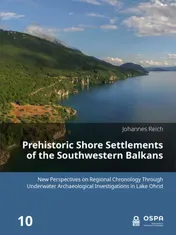
Prehistoric Shore Settlements of the Southwestern Balkans
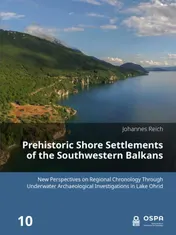
Prehistoric Shore Settlements of the Southwestern Balkans
NSTC 500664985 · CB-relatie 9515505 · Bijgewerkt 6 augustus 2026