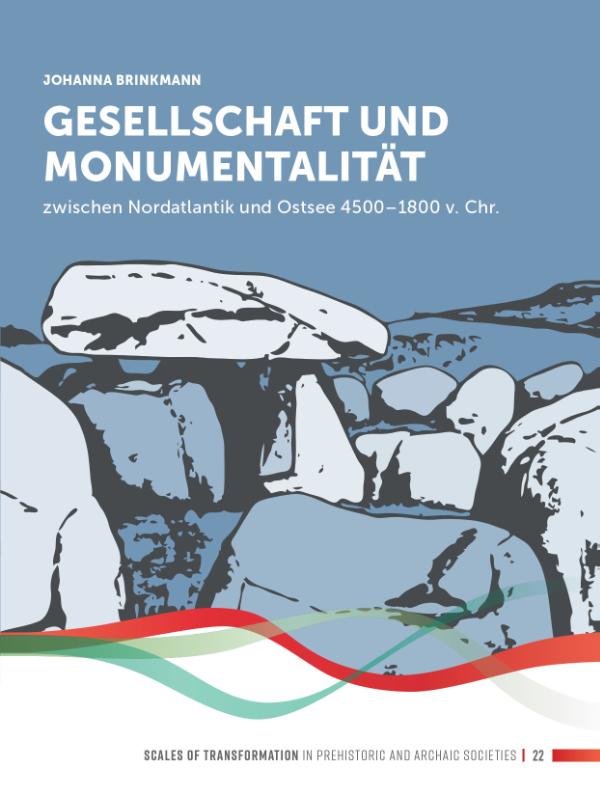
Gesellschaft und Monumentalität zwischen Nordatlantik und Ostsee 4500–1800 v. Chr.
Ook verkrijgbaar als
Kurz vor 4000 v. Chr. erreicht der Neolithisierungsprozess mit den Britischen Inseln und dem westlichen Ostseeraum den Norden Europas. Die Einführung der neuen Subsistenzweise bringt tiefgreifende Veränderungen, zu denen mit einer gewissen zeitlichen Verzögerung auch die Megalithgräber zu zählen sind. Nicht zuletzt wegen ihrer Präsenz in der Landschaft faszinierten diese ikonischen Zeugnisse des Neolithikums zwischen Nordatlantik und Ostsee Forschende bereits vor der Professionalisierung der prähistorischen Archäologie und tun dies bis heute.
Die vorliegende Arbeit bietet erstmals eine zusammenfassende, systematische Darstellung der megalithischen Anlagen sowie der materiellen Kultur des Neolithikums auf den Britischen Inseln und im westlichen Ostseeraum zwischen 4500 und 1800 v. Chr. Eingebettet in einen Vergleich der beweglichen materiellen Kultur (Keramik, Stein- und Metallartefakte), der Siedlungsstrukturen sowie der Gräber und Monumente wird das Auftreten neolithischer Monumentalität in diesem Gebiet verfolgt. Unter Berücksichtigung weiterer Aspekte – wie der Totenbehandlung in Megalithgräbern sowie Subsistenz und Mobilität – zeigen sich Kontinuitäten, Diskontinuitäten und Transformationen. Dabei ist in vielen Aspekten eine parallele Entwicklung zwischen den Britischen Inseln und dem westlichen Ostseeraum erkennbar.
Die systematische Darstellung des Materials baut auf dem hier eingeführten Prinzip der Integrativen Archäologie auf. Den archäologischen Fallstudien vorangestellt ist eine kritische Auseinandersetzung mit dem archäologischen Kulturbegriff, der archäologischen Theoriebildung, der Forschungsgeschichte zur europäischen Megalithik inklusive einer Analyse der vorherrschenden Theorien zur neolithischen Monumentalität.
English abstract
The process of Neolithization reached northern Europe shortly before 4000 BCE spreading to the British Isles and the western Baltic region. The introduction of the new subsistence economy brings with it profound changes, of which the megalithic tombs that appear soon afterwards are probably among the most striking features. Due to their presence in the landscape, these iconic testimonies of the Neolithic between the North Atlantic and the Baltic Sea were a source of fascination even before the professionalization of prehistoric archaeology and continue so today beyond the academic discourse.
This work is the first to offer a summarizing, systematic study of the megalithic sites and the entire material culture of the Neolithic on the British Isles and in the western Baltic between 4500 and 1800 BCE. Embedded in a comprehensive comparative analysis of the movable material culture (pottery, stone and metal artifacts), the settlement structures as well as the graves and monuments, the occurrence of Neolithic monumentality in this area is traced across the entire Neolithic period. On a large-scale level, parallel developments between the British Isles and the western Baltic region are evident in many aspects.
The systematic presentation of the archaeological material is based on the here introduced principle of integrative archaeology. The archaeological case studies are preceded by a critical examination of the concept of archaeological cultures and theory formation in archaeology on the one hand, and a summary of megalithism in the European research history as well as an analysis of the prevailing theories on Neolithic monumentality on the other.
In het kort
ISBN-13
9789464281002
Uitgever
Verschenen
17 september 2025
Bibliografisch
ISBN-139789464281002
SerieScales of Transformation — deel 22
Editie1
TaalDuits ger
Pagina’s392
GeïllustreerdNee
Uitgave
UitgeverSidestone Press
CB-relatie-id9180064
Verschenen17 september 2025
StatusAangekondigd 02
BeschikbaarheidContact leverancier 99
Adviesprijs (incl. btw)€ 120,00
Vorm & inhoud
ProductvormHardback BB
SamenstellingLos product
Classificatie
NUR (hoofd)Archeologie 682
NUR (alle)682 Archeologie
Medewerkers
Auteur A01Johanna Brinkmann
Herkomst
Werk-id (NSTC)501618376
MeldingBevestigd bij publicatie 03
Bijgewerkt6 augustus 2026
Lijkt op dit boek
Landscapes in Motion
Landscapes in Motion
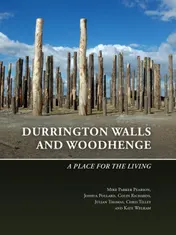
Durrington Walls and Woodhenge: A place for the living
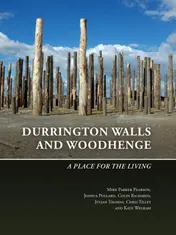
Durrington Walls and Woodhenge: A place for the living
Indigenous Knowledge in Transformation
Indigenous Knowledge in Transformation
Archaeological Approaches to Inequality, Political Organisation, and Social Complexity
Archaeological Approaches to Inequality, Political Organisation, and Social Complexity
Stadterweiterungen und urbane Dynamik im Mittelalter
Stadterweiterungen und urbane Dynamik im Mittelalter
NSTC 501618376 · CB-relatie 9180064 · Bijgewerkt 6 augustus 2026