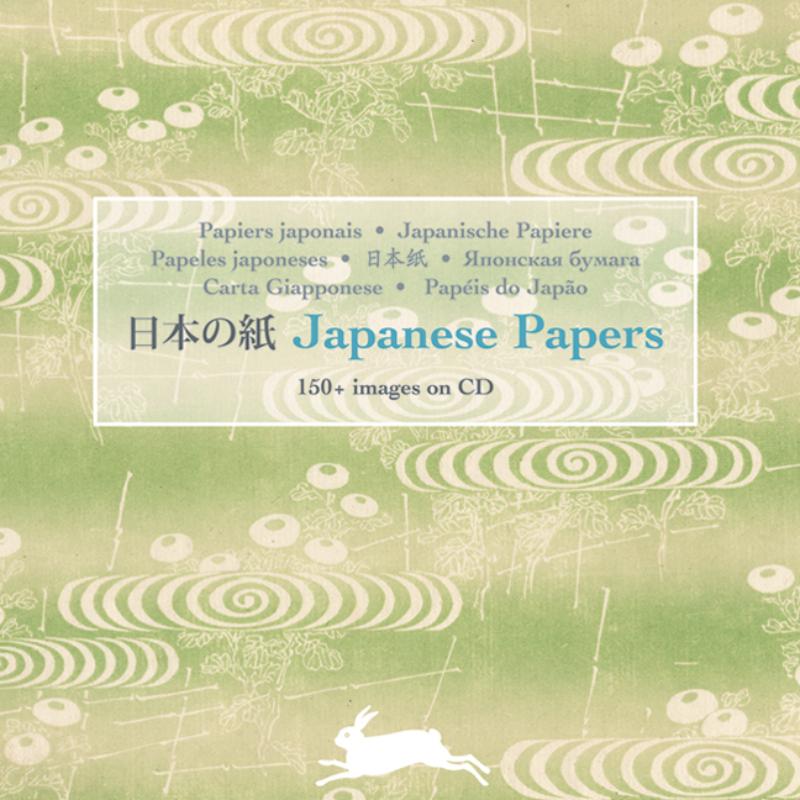
Japanese Paper 150+ images on CD
Paperback168 pagina’sMeertaligLeverbaar
Paper-making was invented in China, probably some 2,000 years ago. Early paper decoration techniques were also developed in both China and Japan. The marbling technique was known in these two countries as early as the 12th century AD. During the 16th century, it was popular in Persia and Turkey, and from there, knowledge of marbling spread to western Europe. In the 17th-19th centuries, there was substantial marbled paper production in Germany, France, Italy, Holland and England. A variation on marbled paper is paste paper. In this technique, a layer of starch is applied to blank paper, and paint is added on top of it. The design is produced by manipulating the paint with a brush or scraper, or with the help of stamps or rollers. JAPANESE PAPERS includes an extensive and rare selection of such designs. This book also contains stunning examples of other Japanese paper decoration techniques, such as block printing and the application of design during the actual paper-making process.Paper-making was invented in China, probably some 2,000 years ago. Early paper decoration techniques were also developed in both China and Japan. The marbling technique was known in these two countries as early as the 12th century AD. During the 16th century, it was popular in Persia and Turkey, and from there, knowledge of marbling spread to western Europe. In the 17th-19th centuries, there was substantial marbled paper production in Germany, France, Italy, Holland and England. A variation on marbled paper is paste paper. In this technique, a layer of starch is applied to blank paper, and paint is added on top of it. The design is produced by manipulating the paint with a brush or scraper, or with the help of stamps or rollers. JAPANESE PAPERS includes an extensive and rare selection of such designs. This book also contains stunning examples of other Japanese paper decoration techniques, such as block printing and the application of design during the actual paper-making process.Paper-making was invented in China, probably some 2,000 years ago. Early paper decoration techniques were also developed in both China and Japan. The marbling technique was known in these two countries as early as the 12th century AD. During the 16th century, it was popular in Persia and Turkey, and from there, knowledge of marbling spread to western Europe. In the 17th-19th centuries, there was substantial marbled paper production in Germany, France, Italy, Holland and England. A variation on marbled paper is paste paper. In this technique, a layer of starch is applied to blank paper, and paint is added on top of it. The design is produced by manipulating the paint with a brush or scraper, or with the help of stamps or rollers. JAPANESE PAPERS includes an extensive and rare selection of such designs. This book also contains stunning examples of other Japanese paper decoration techniques, such as block printing and the application of design during the actual paper-making process.
In het kort
ISBN-13
9789057681103
Uitgever
Verschenen
1 juli 2008
Imprint
Bibliografisch
ISBN-139789057681103
Editie1
TaalMeertalig mul
Pagina’s168
GeïllustreerdJa
Uitgave
UitgeverPepin Press B.V., The
ImprintPepin Press
CB-relatie-id8799894
Verschenen1 juli 2008
StatusLeverbaar 04
BeschikbaarheidBeschikbaar 20
Adviesprijs (incl. btw)€ 19,50
Vorm & inhoud
ProductvormPaperback BC
SamenstellingPakket (meerdelig)
Classificatie
NUR (hoofd)Vormgeving en design 656
NUR (alle)656 Vormgeving en design
Medewerkers
Auteur A01Pepin van Roojen
Herkomst
Werk-id (NSTC)500293932
MeldingBevestigd bij publicatie 03
Bijgewerkt6 augustus 2026
Lijkt op dit boek
Make Space for Change

A Designer's Guide to Rogue Ethnographies

The Architecture of Circular Building Products
Before the Solution
The Design Village
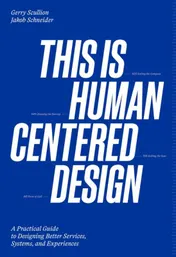
This is Human Centered Design

The Empathy Compass
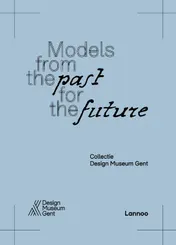
Models from the Past for the Future
Models from the Past for the Future
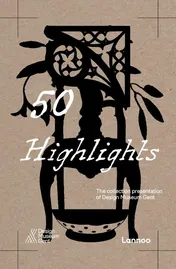
50 highlights. The collection presentation of Design Museum Gent
NSTC 500293932 · CB-relatie 8799894 · Bijgewerkt 6 augustus 2026