
Chivalry and elite conduct in medieval EuropeIn popular imagination few phenomena are as strongly associated with medieval society as knighthood and chivalry. At the same time, and due to a long tradition of differing national perspectives and ideological assumptions, few phenomena have continued to be the object of so much academic debate. In this volume leading scholars explore various aspects of knightly identity, taking into account both commonalities and particularities across Western Europe. Knighthood and Society in the High Middle Ages addresses how, between the eleventh and the early thirteenth centuries, knighthood evolved from a set of skills and a lifestyle that was typical of an emerging elite habitus, into the basis of a consciously expressed and idealised chivalric code of conduct. Chivalry, then, appears in this volume as the result of a process of noble identity formation, in which some five key factors are distinguished: knightly practices, lineage, crusading memories, gender roles, and chivalric didactics.In popular imagination few phenomena are as strongly associated with medieval society as knighthood and chivalry. At the same time, and due to a long tradition of differing national perspectives and ideological assumptions, few phenomena have continued to be the object of so much academic debate. In this volume leading scholars explore various aspects of knightly identity, taking into account both commonalities and particularities across Western Europe. Knighthood and Society in the High Middle Ages addresses how, between the eleventh and the early thirteenth centuries, knighthood evolved from a set of skills and a lifestyle that was typical of an emerging elite habitus, into the basis of a consciously expressed and idealised chivalric code of conduct. Chivalry, then, appears in this volume as the result of a process of noble identity formation, in which some five key factors are distinguished: knightly practices, lineage, crusading memories, gender roles, and chivalric didactics.
In het kort
ISBN-13
9789462701700
Uitgever
Verschenen
30 november 2020
Imprint
Bibliografisch
ISBN-139789462701700
SerieMediaevalia Lovaniensia - Series 1-Studia — deel 48
Editie1
TaalEngels eng
Pagina’s350
GeïllustreerdJa
Uitgave
UitgeverUniversitaire Pers Leuven
ImprintLeuven University Press
CB-relatie-id8004161
Verschenen30 november 2020
StatusOnbekend 00
BeschikbaarheidContact leverancier 99
Adviesprijs (incl. btw)€ 59,50
Vorm & inhoud
ProductvormPaperback BC
SamenstellingLos product
Classificatie
NUR (hoofd)Middeleeuwen (500-1500) 684
NUR (alle)684 Middeleeuwen (500-1500)
Trefwoordeneurope · gender · social identity · class · knighthood · chivalry · high middle ages · elite conduct · crusade · mercenaries
Medewerkers
Redacteur B01David Crouch
Redacteur B01Jeroen Deploige
Herkomst
Werk-id (NSTC)500408765
MeldingBevestigd bij publicatie 03
Bijgewerkt6 augustus 2026
Trefwoorden
Lijkt op dit boek
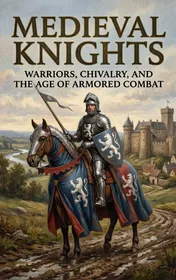
Medieval Knights
Heraldic Hierarchies
Secular Power and Sacral Authority in Medieval East-Central Europe
Medieval manuscripts in transition
All About Knights and Castles
Daily Life in the Middle Ages
Symbolic Communication in Late Medieval Towns
The Use and Abuse of Sacred Places in Late Medieval Towns
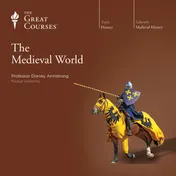
The Medieval World
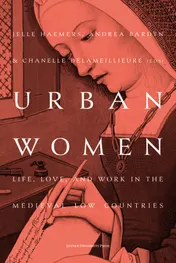
Urban Women
NSTC 500408765 · CB-relatie 8004161 · Bijgewerkt 6 augustus 2026