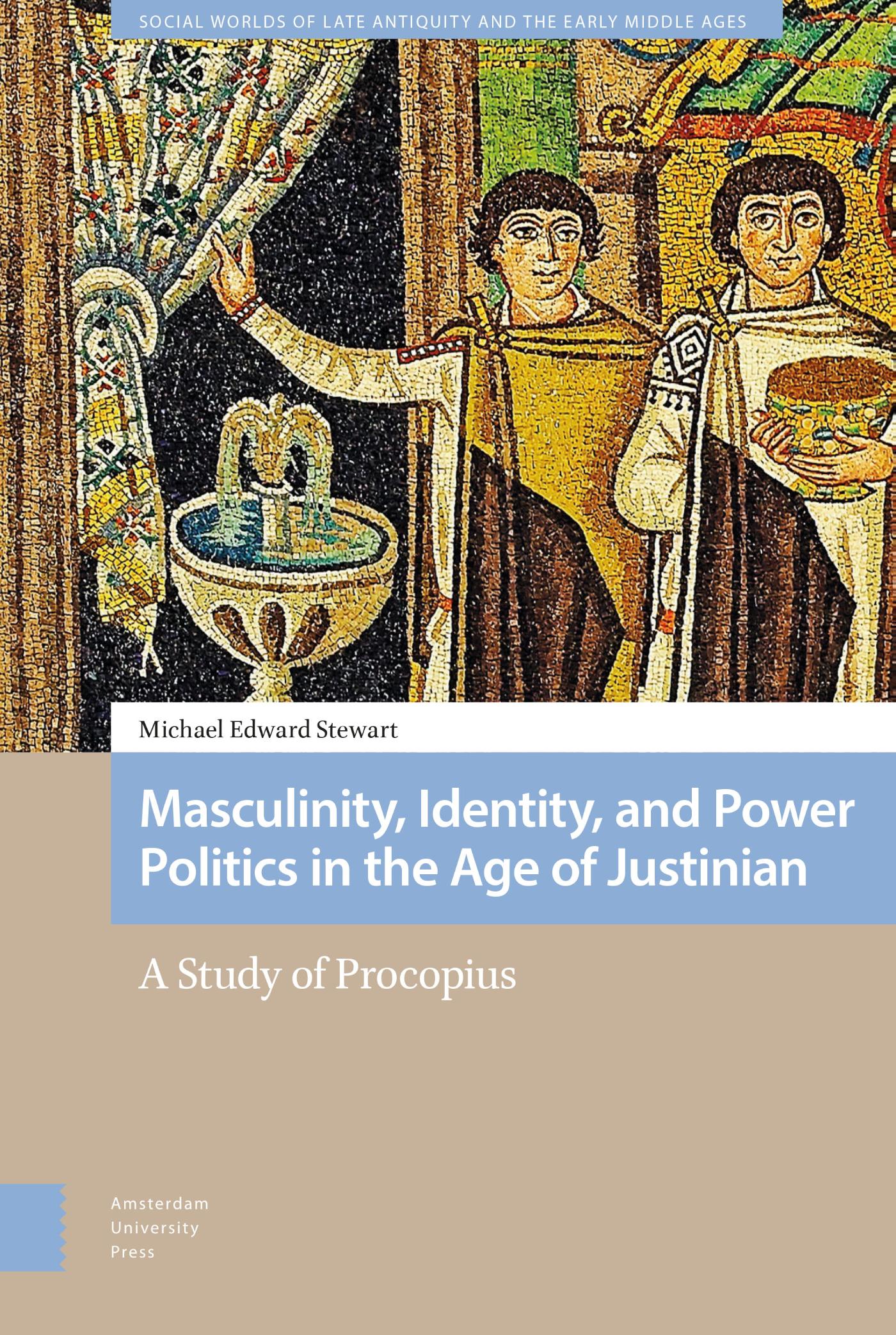
Masculinity, Identity, and Power Politics in the Age of Justinian A Study of Procopius
A generation of historians has been captivated by the notorious views on gender found in the mid-sixth century Secret History by the Byzantine historian Procopius of Caesarea. Yet the notable but subtler ways in which gender coloured Procopius' most significant work, the Wars, have received far less attention. This monograph examines how gender shaped the presentation of not only key personalities such as the seminal power-couples Theodora/ Justinian and Antonina/ Belisarius, but also the Persians, Vandals, Goths, Eastern Romans, and Italo-Romans, in both the Wars and the Secret History. By analysing the purpose and rationale behind Procopius' gendered depictions and ethnicizing worldview, this investigation unpicks his knotty agenda. Despite Procopius's reliance on classical antecedents, the gendered discourse that undergirds both texts under investigation must be understood within the broader context of contemporary political debates at a time when control of Italy and North Africa from Constantinople was contested.
In het kort
ISBN-13
9789048540259
Uitgever
Verschenen
29 april 2020
Imprint
Bibliografisch
ISBN-139789048540259
Editie1
TaalEngels eng
Pagina’s246
GeïllustreerdJa
Uitgave
UitgeverAmsterdam University Press
ImprintAmsterdam University Press
CB-relatie-id7400597
Verschenen29 april 2020
StatusOnbekend 00
Vorm & inhoud
ProductvormE-book ED
VormdetailE107 PDF
SamenstellingLos product
Beveiliging e-bookAdobe DRM 03
Classificatie
NUR (hoofd)Middeleeuwen (500-1500) 684
NUR (alle)684 Middeleeuwen (500-1500)
Medewerkers
Auteur A01Michael Stewart
Herkomst
Werk-id (NSTC)500586630
MeldingBevestigd bij publicatie 03
Bijgewerkt6 augustus 2026
Lijkt op dit boek


NSTC 500586630 · CB-relatie 7400597 · Bijgewerkt 6 augustus 2026