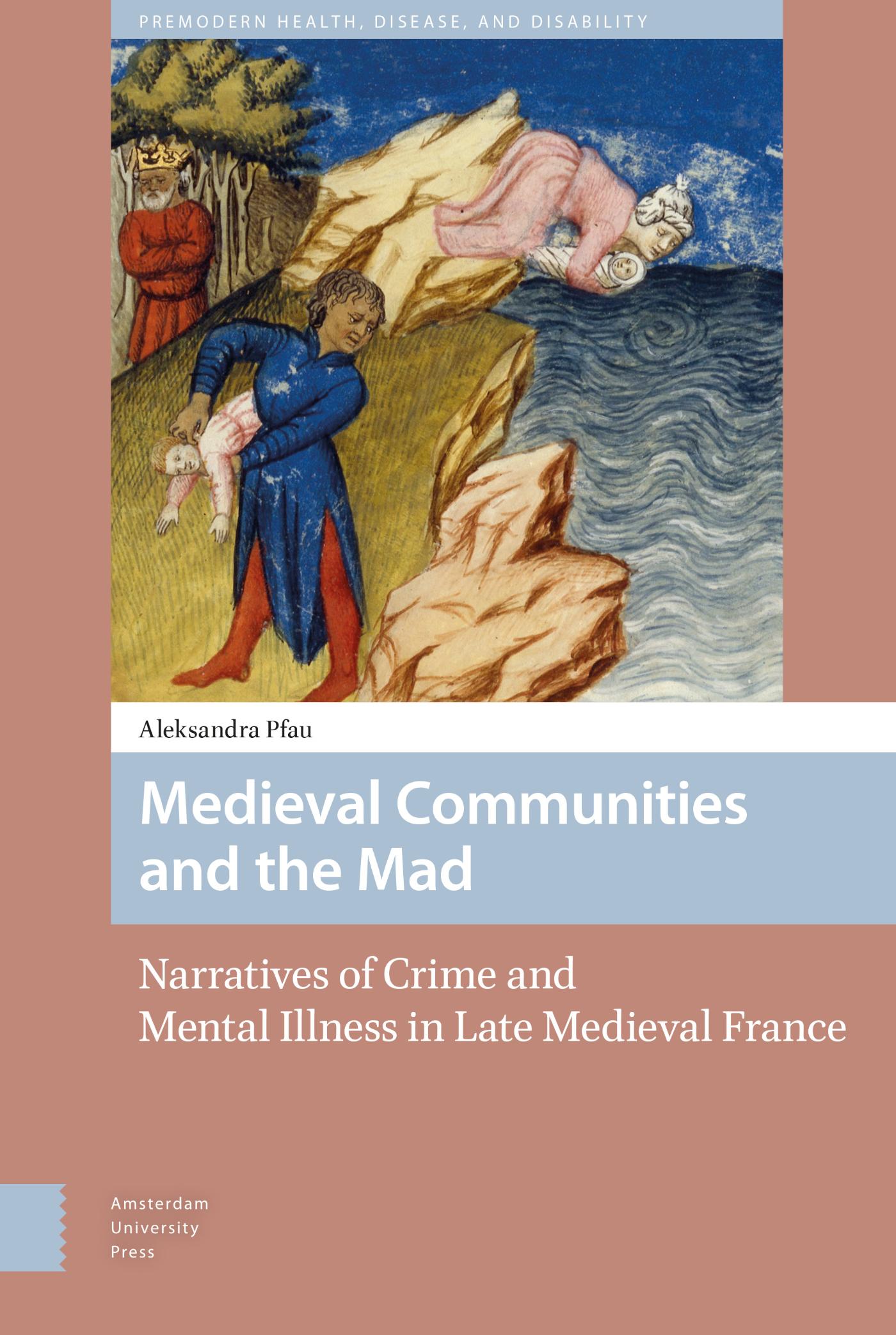
Medieval Communities and the Mad Narratives of Crime and Mental Illness in Late Medieval France
Ook verkrijgbaar als
The concept of madness as a challenge to communities lies at the core of legal sources. This book considers how communal networks, ranging from the locale to the realm, responded to people who were considered mad. The madness of individuals played a role in engaging communities with legal mechanisms and proto-national identity constructs, as petitioners sought the king's mercy as an alternative to local justice. The resulting narratives about the mentally ill in late medieval France constructed madness as an inability to live according to communal rules. Although such texts defined madness through acts that threatened social bonds, those ties were reaffirmed through the medium of the remission letter. The composers of the letters presented madness as a communal concern, situating the mad within the household, where care could be provided. These mad were usually not expelled but integrated, often through pilgrimage, surveillance, or chains, into their kin and communal relationships.
In het kort
ISBN-13
9789048533329
Uitgever
Verschenen
25 november 2020
Imprint
Bibliografisch
ISBN-139789048533329
SeriePremodern Health, Disease, and Disability — deel 6
Editie1
TaalEngels eng
Pagina’s202
GeïllustreerdNee
Uitgave
UitgeverAmsterdam University Press
ImprintAmsterdam University Press
CB-relatie-id7400597
Verschenen25 november 2020
StatusOnbekend 00
Vorm & inhoud
ProductvormE-book ED
VormdetailE107 PDF
SamenstellingLos product
Beveiliging e-bookAdobe DRM 03
Classificatie
NUR (hoofd)Mediëvistiek 613
NUR (alle)613 Mediëvistiek
Medewerkers
Auteur A01Aleksandra Nicole Pfau
Herkomst
Werk-id (NSTC)500840318
MeldingBevestigd bij publicatie 03
Bijgewerkt6 augustus 2026
Lijkt op dit boek

Ogier van Denemerken
Ogier van Denemerken
The Leiden Wigalois Manuscript
De liederlijke middeleeuwen
Fragmenten van de Vlaamse Roman van de Roos (ca. 1300)
Vertellen is een kunst
De fragmenten van de 14e-eeuwse ridderroman Florigout
Schrift in dienst van de macht
The Medieval Life of Language
Strengels & Letters
NSTC 500840318 · CB-relatie 7400597 · Bijgewerkt 6 augustus 2026