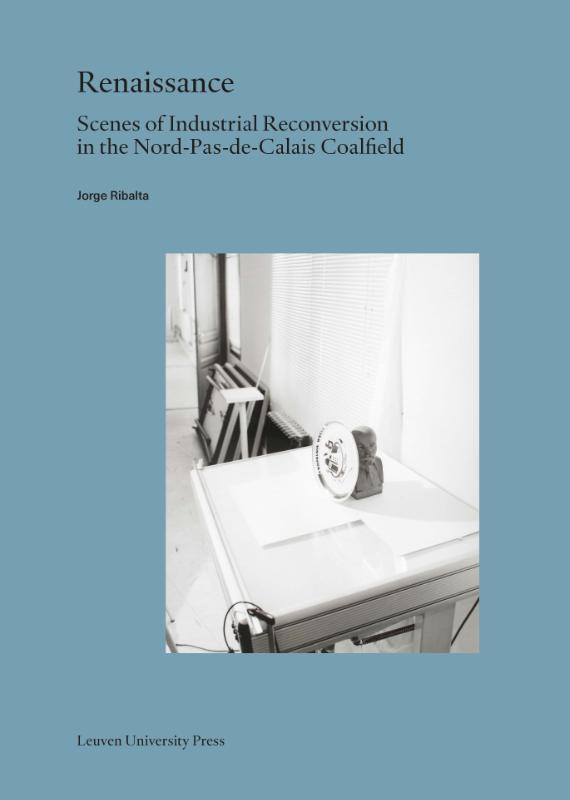
Renaissance Scenes of Industrial Reconversion in the Nord-Pas-de-Calais Coalfield
AcknowledgementsRenaissanceFrom Charles V to Louis XIVSmall History of PhotographyBorinageMonumentsMining Museum, LewardeBecoming HeritageNew/Old EconomyeisureRenaissance? Documentary Methods, Post-industrial Economiesand Ideologies on Cultural HeritagePanel discussion with Muriel Enjalran, Jacques Lemière, Jorge Ribalta and Hilde Van GelderRenaissance ? Méthodes documentaires, économies postindustrielleset idéologies du patrimoine culturelDébat avec Muriel Enjalran, Jacques Lemière, Jorge Ribalta and Hilde Van GelderAuthor and ContributorsPhotographic analysis of the mining region’s transition to culture and leisure economiesThe Nord-Pas-de-Calais mining region, bordering on Belgium, is part of northern Europe’s historical centre of heavy industry, which extends as far as the Ruhr area in Germany. With the end of coal mining in the 1980s, the Lille region transitioned to new economic activities, particularly within the cultural and creative industries, taking advantage of its strategic location midway between Paris, London and Brussels. After de-industrialisation and the 1984 opening of the Lewarde Mining Museum—the first institution of its kind in France—the region took part in industrial heritage campaigns modelled on the Ruhr industrial region. Various historical sites in coal-mining areas in this region and in Belgium were classified as World Heritage Sites by UNESCO in 2012.'Renaissance' (2014) presents a photographic analysis of the epochal transition from industry to culture and leisure economies and is organised around eight groups of a varying numbers of photographs. It sheds a light on the Nord-Pas-de-Calais mining region’s place in the European history of the capitalist nation-state.The artist Jorge Ribalta offers a contribution to the critique on the myths and utopian promises of cultural economies. His photographic work interrogates the correspondence between the decline of industrial economies in Europe and the crisis of the middle class.The Nord-Pas-de-Calais mining region, bordering on Belgium, is part of northern Europe’s historical centre of heavy industry, which extends as far as the Ruhr area in Germany. With the end of coal mining in the 1980s, the Lille region transitioned to new economic activities, particularly within the cultural and creative industries, taking advantage of its strategic location midway between Paris, London and Brussels. After de-industrialisation and the 1984 opening of the Lewarde Mining Museum—the first institution of its kind in France—the region took part in industrial heritage campaigns modelled on the Ruhr industrial region. Various historical sites in coal-mining areas in this region and in Belgium were classified as World Heritage Sites by UNESCO in 2012.Renaissance (2014) presents a photographic analysis of the epochal transition from industry to culture and leisure economies and is organised around eight groups of a varying numbers of photographs. It sheds a light on the Nord-Pas-de-Calais mining region’s place in the European history of the capitalist nation-state.The artist Jorge Ribalta offers a contribution to the critique on the myths and utopian promises of cultural economies. His photographic work interrogates the correspondence between the decline of industrial economies in Europe and the crisis of the middle class.
In het kort
ISBN-13
9789462701595
Uitgever
Verschenen
22 januari 2019
Imprint
Bibliografisch
ISBN-139789462701595
SerieLieven Gevaert Series — deel 25
Editie1
TaalEngels eng
Pagina’s280
GeïllustreerdJa
Uitgave
UitgeverUniversitaire Pers Leuven
ImprintLeuven University Press
CB-relatie-id8004161
Verschenen22 januari 2019
StatusOnbekend 00
BeschikbaarheidContact leverancier 99
Adviesprijs (incl. btw)€ 39,50
Vorm & inhoud
ProductvormPaperback BC
SamenstellingLos product
Classificatie
Medewerkers
Auteur A01Jorge Ribalta
Herkomst
MeldingBevestigd bij publicatie 03
Bijgewerkt6 augustus 2026
Lijkt op dit boek


CB-relatie 8004161 · Bijgewerkt 6 augustus 2026