
Revival After the Great War Rebuild, Remember, Repair, Reform
Leen Engelen red. · Rajesh Heynickx red. · Jan Schmidt red. · Pieter Uyttenhove red. · Pieter Verstraete red.
Paperback380 pagina’sEngels
Ook verkrijgbaar als
AcknowledgementsIntroductionRevival After The First World War: Rebuild, Remember, Repair, ReformLuc Verpoest, Leen Engelen, Rajesh Heynickx, Jan Schmidt, Pieter Uyttenhove & Pieter Verstraete PART ONE — REBUILDCatastrophe and Reconstruction in Western Europe: The Urban Aftermath of the First World WarPierre Purseigle Reflections on Leuven as Martyred City and the Realignment of PropinquityRichard Plunz Making Good Farmers by Making Better Farms: Farmstead Architecture and Social Engineering in Belgium After the Great WarDries Claeys & Yves Segers “C’est la beauté de l’ensemble qu’il faut viser.” Notes on Changing Heritage Values of Belgian Post-World War I Reconstruction TownscapesMaarten Liefooghe Rebuilding, Recovery, Reconceptualization: Modern architecture and the First World WarVolker M. Welter PART TWO — REMEMBER Reclaiming the Ordinary: Civilians Face the Post-war WorldTammy M. Proctor Expressing Grief and Gratitude in an Unsettled Time Temporary First World War Memorials in BelgiumLeen Engelen & Marjan Sterckx Remembering the War on the British Stage: From Resistance to ReconstructionHelen E. M. Brooks A War to Learn From: Commemorative Practices in Belgian Schools After World War lKaat Wils PART THREE — REPAIRHigh Expectations and Silenced Realities: The Re-education of Belgian Disabled Soldiers of the Great War, 1914–1921Pieter Verstraete and Marisa De PickerBack to work: Riccardo Galeazzi’s Work for the Mutilated Veterans of the Great War, Between German Model and Italian ApproachSimonetta Polenghi Competition over Care: The Campaign for a New Medical Campus at the University of Leuven in the 1920sJoris VandendriesschePART FOUR — REFORMAn Argentine Witness of the Occupation and Reconstruction of Belgium: The Writings of Roberto J. Payró (1918-1922)María Inés Tato The New Post-war Order from the Perspective of the Spanish Struggle for Regeneration (1918-1923)Carolina García Sanz The Act of Giving: Political Instability and the Reform(ation) of Humanitarian Responses to Violence in Portugal in the Aftermath of the First World WarAna Paula Pires Reconstruction, Reform and Peace in Europe after the First World WarJohn Horne Bibliography List of ContributorsThe challenges of post-war recovery from social and political reform to architectural designIn the months and years immediately following the First World War, the many (European) countries that had formed its battleground were confronted with daunting challenges. These challenges varied according to the country’s earlier role and degree of involvement in the war but were without exception enormous. The contributors to this book analyse how this was not only a matter of rebuilding ravaged cities and destroyed infrastructure but also of rebuilding people’s damaged bodies and upended daily lives, and rethinking and reforming societal, economic and political structures. These processes took place against the backdrop of mass mourning and remembrance, political violence and economic crisis. At the same time, the postwar tabula rasa offered many innovative opportunities in various areas of society, from social and political reform to architectural design. The wide scope of postwar recovery is reflected in the different sections of this book: rebuild, remember, repair, and reform. It offers insights into the postwar era in Western European countries such as Belgium, France, Germany, Portugal, Spain, and Italy, as well as into how those efforts were perceived outside of Europe, for instance in Argentina and the United States.In the months and years immediately following the First World War, the many (European) countries that had formed its battleground were confronted with daunting challenges. These challenges varied according to the country’s earlier role and degree of involvement in the war but were without exception enormous. The contributors to this book analyse how this was not only a matter of rebuilding ravaged cities and destroyed infrastructure but also of rebuilding people’s damaged bodies and upended daily lives, and rethinking and reforming societal, economic and political structures. These processes took place against the backdrop of mass mourning and remembrance, political violence and economic crisis. At the same time, the postwar tabula rasa offered many innovative opportunities in various areas of society, from social and political reform to architectural design. The wide scope of postwar recovery is reflected in the different sections of this book: rebuild, remember, repair, and reform. It offers insights into the postwar era in Western European countries such as Belgium, France, Germany, Portugal, Spain, and Italy, as well as into how those efforts were perceived outside of Europe, for instance in Argentina and the United States.
In het kort
ISBN-13
9789462702509
Uitgever
Verschenen
8 december 2020
Imprint
Bibliografisch
ISBN-139789462702509
Editie1
TaalEngels eng
Pagina’s380
GeïllustreerdJa
Uitgave
UitgeverUniversitaire Pers Leuven
ImprintLeuven University Press
CB-relatie-id8004161
Verschenen8 december 2020
StatusOnbekend 00
BeschikbaarheidContact leverancier 99
Adviesprijs (incl. btw)€ 27,00
Vorm & inhoud
ProductvormPaperback BC
SamenstellingLos product
Classificatie
NUR (hoofd)Bouwkunst, architectuur 648
NUR (alle)648 Bouwkunst, architectuur
Medewerkers
Redacteur B01Luc Verpoest
Redacteur B01Leen Engelen
Redacteur B01Rajesh Heynickx
Redacteur B01Jan Schmidt
Redacteur B01Pieter Uyttenhove
Redacteur B01Pieter Verstraete
Herkomst
Werk-id (NSTC)500845114
MeldingBevestigd bij publicatie 03
Bijgewerkt6 augustus 2026
Trefwoorden
Lijkt op dit boek
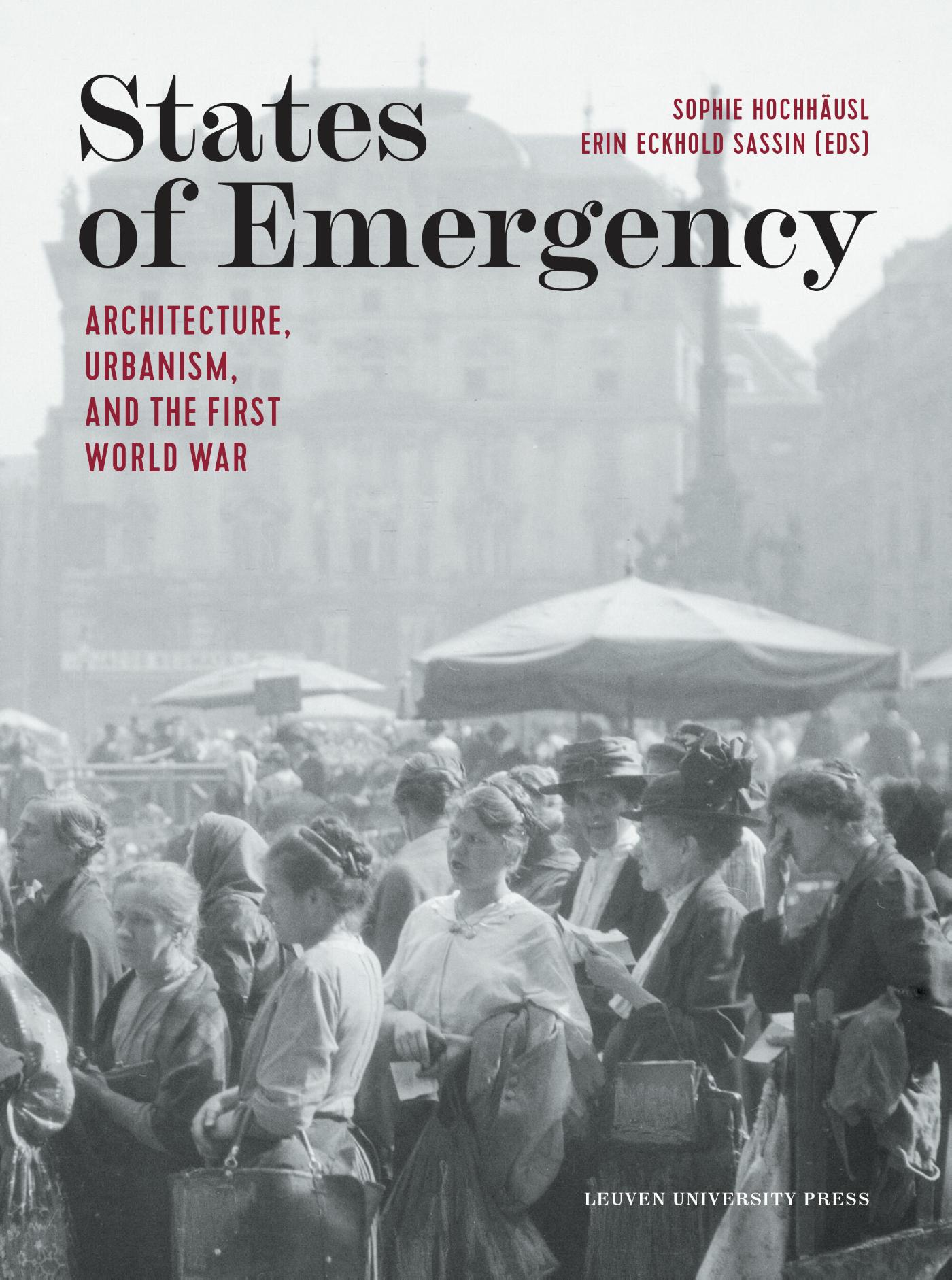
States of Emergency

Post-War reconstruction in the Netherlands 1945-1965
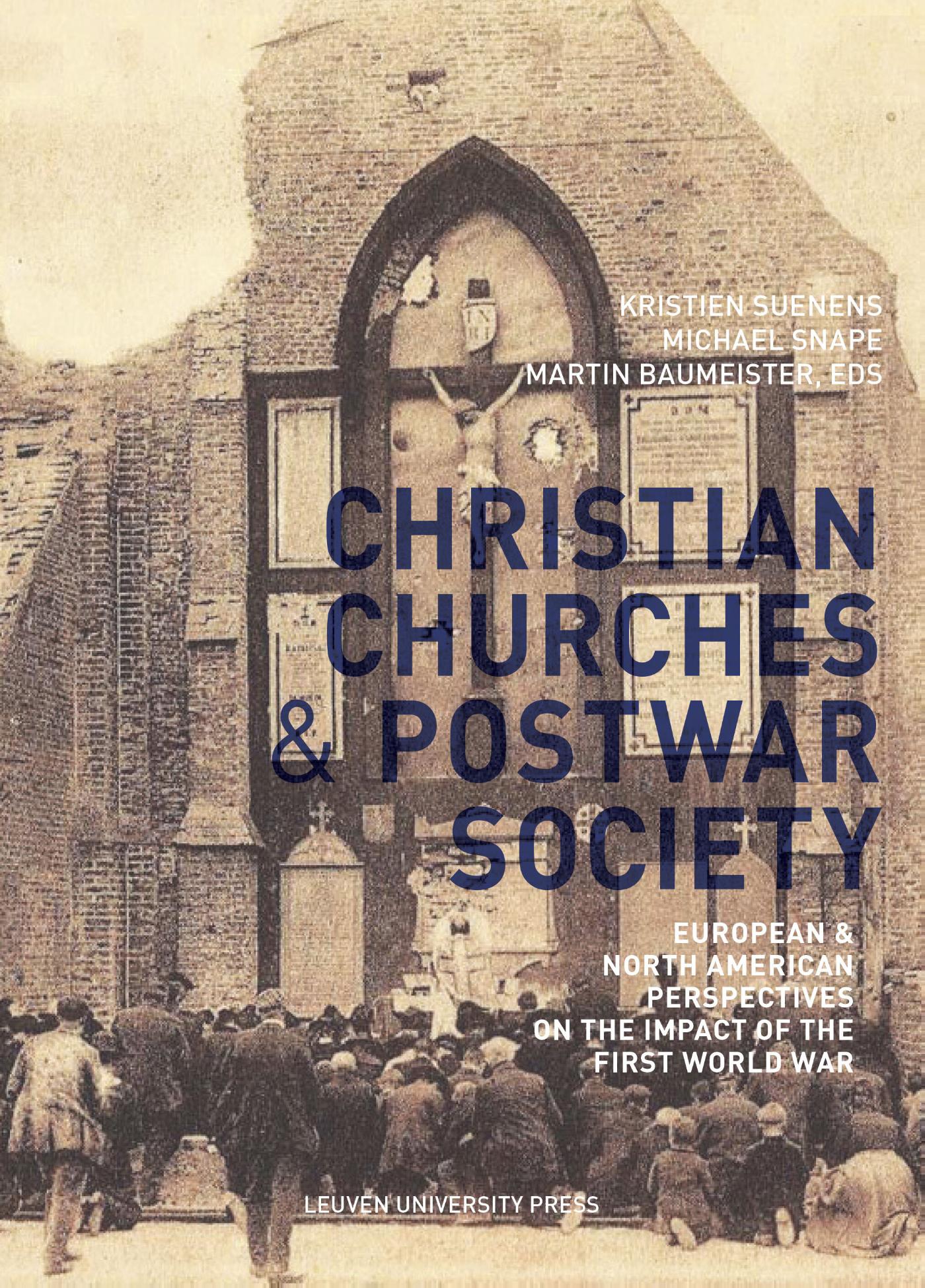
Christian Churches and Postwar Society

Contested Legacies

Cartographies of Catastrophes
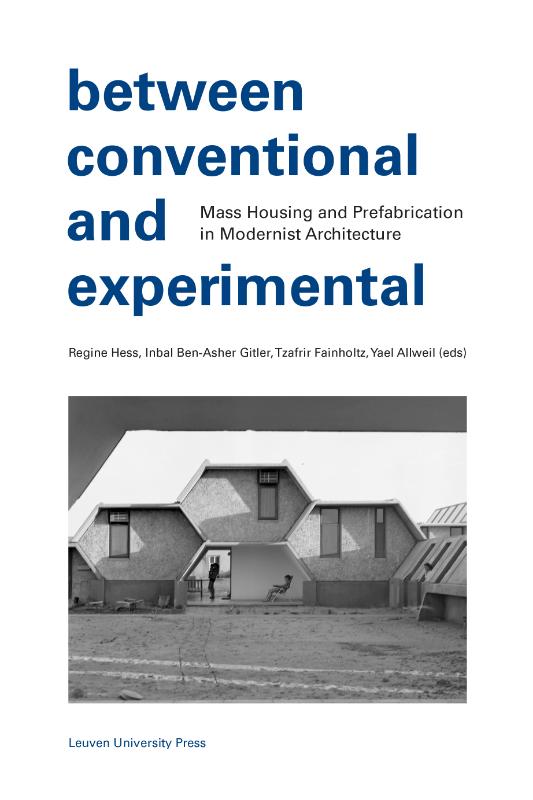
Between Conventional and Experimental

The Art of Urbanization
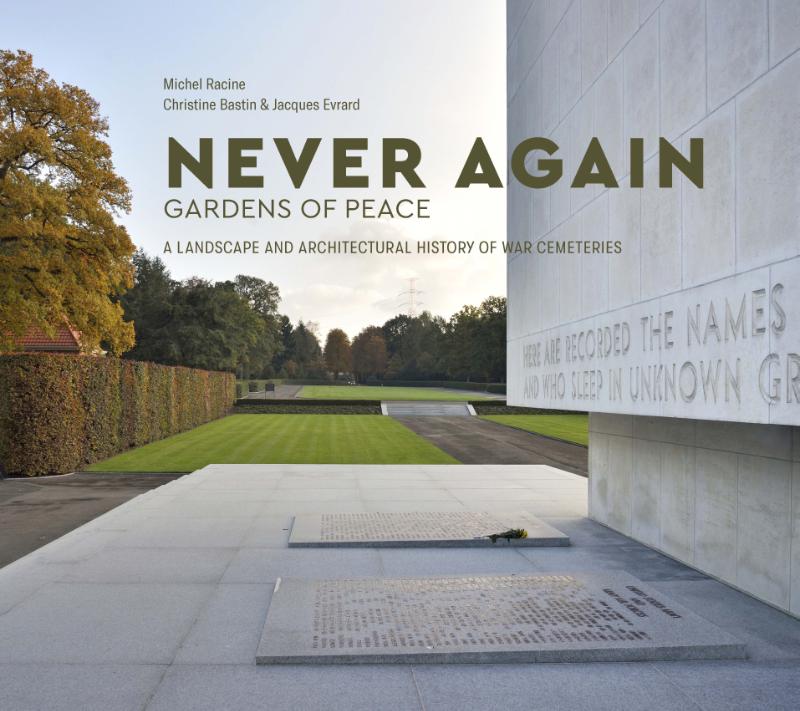
Never again. Gardens of Peace
14/18 – Rupture or Continuity
The Netherlands in the Twentieth Century
NSTC 500845114 · CB-relatie 8004161 · Bijgewerkt 6 augustus 2026