
Swiss Mercenaries in the Dutch East Indies Colonial Military Labour Markets, 1848-1914
Table of Contents, Acknowledgements, Table of Figures, List of Tables, A Note on Spelling, Translation and Currencies, 1. Introduction: Swiss Tools of Empire, 2. Swiss Supplies for Dutch Demands: Transformations in a Military Labour Market, 3. Follow the Men: The Many Lives of Swiss Mercenaries, 4. Follow the Money: Colonial Cash Flows and Interlocking Bureaucracies, 5. Trace the Memory: Relics & Representation in the Transimperial Cultural Archive, 6. Conclusion: Swiss Tools of Empire., 7. BibliographyThis book traces the 5,800 Swiss Mercenaries who enlisted in the Dutch Colonial Army (KNIL) between 1848 and 1914 to fight in the Dutch East Indies (present-day Indonesia).Between 1848 and 1914 around 5.800 Swiss Mercenaries enlisted in the Dutch Colonial Army (KNIL) to fight in the Dutch East Indies (present-day Indonesia). Following the traces of these mercenaries beyond the confines of the Dutch Empire, this book elucidates the complexities of the nineteenth-century military labour markets and provides an intricate examination of the mercenaries’ socio-cultural backgrounds, their motives, and their engagement with local communities and authorities. In doing so, it reveals the profound effects of colonialism not only on the colonies themselves, but also on the social, economic and cultural landscape of the European hinterland.Between 1848 and 1914 around 5,800 Swiss Mercenaries enlisted in the Dutch Colonial Army (KNIL) to fight in the Dutch East Indies (present-day Indonesia). Following the traces of these mercenaries beyond the confines of the Dutch Empire, this book elucidates the complexities of the nineteenth-century military labour markets and provides an intricate examination of the mercenaries’ socio-cultural backgrounds, their motives, and their engagement with local communities and authorities. In doing so, it reveals the profound effects of colonialism not only on the colonies themselves, but also on the social, economic and cultural landscape of the European hinterland.
In het kort
ISBN-13
9789087284145
Uitgever
Verschenen
1 maart 2024
Imprint
Bibliografisch
ISBN-139789087284145
SerieGlobal Connections - Routes and Roots — deel 8
Editie1
TaalNederlands dut
GeïllustreerdNee
Uitgave
UitgeverLeiden University Press
ImprintLeiden University Press
CB-relatie-id6345163
Verschenen1 maart 2024
StatusOnbekend 00
BeschikbaarheidContact leverancier 99
Zonder prijsPrijs volgt
Vorm & inhoud
ProductvormHardback BB
SamenstellingLos product
Classificatie
NUR (hoofd)Europese overzeese expansie 691
NUR (alle)691 Europese overzeese expansie
Medewerkers
Auteur A01Philipp Krauer
Herkomst
Werk-id (NSTC)501548199
MeldingBevestigd bij publicatie 03
Laatste CB-bericht7766
Bijgewerkt5 augustus 2026
Lijkt op dit boek

Swiss Mercenaries in the Dutch East Indies

Soldaten van smaragd

Krijgsgeweld en kolonie

Atlas van de oversteek

De kolonie op drift
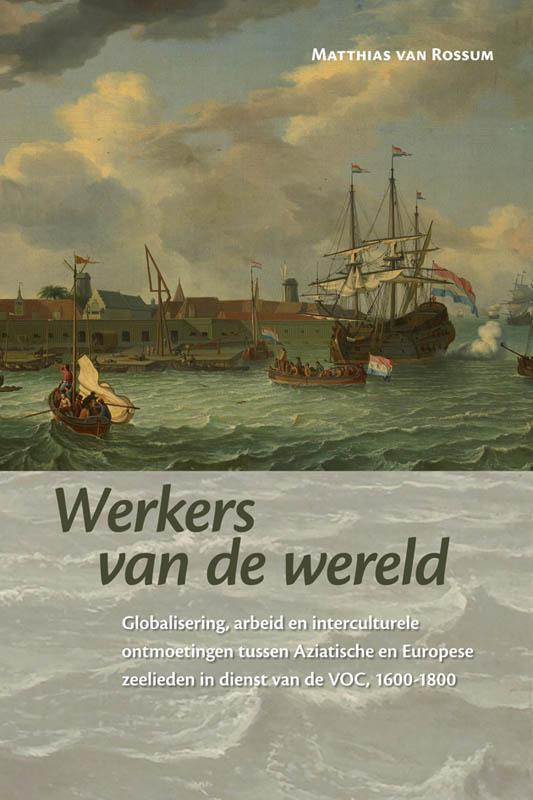
Werkers van de wereld
Hand aan hand (blank en bruin)
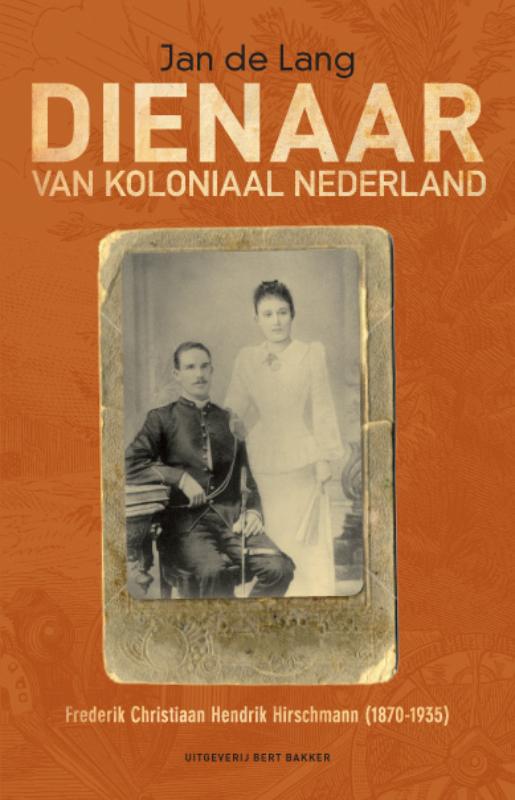
Dienaar van koloniaal Nederland

Zwarte Hollanders
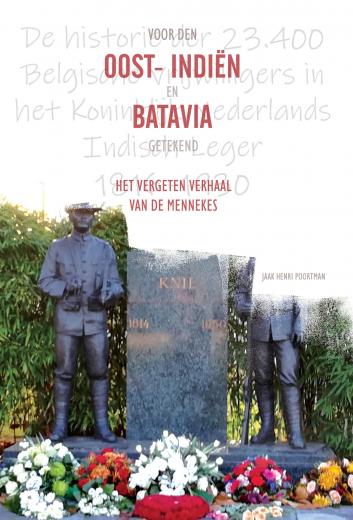
Voor den Oost- Indiën en Batavia getekend, Het vergeten verhaal van de mennekes
NSTC 501548199 · CB-relatie 6345163 · Laatste CB-bericht 7766 · Bijgewerkt 5 augustus 2026