
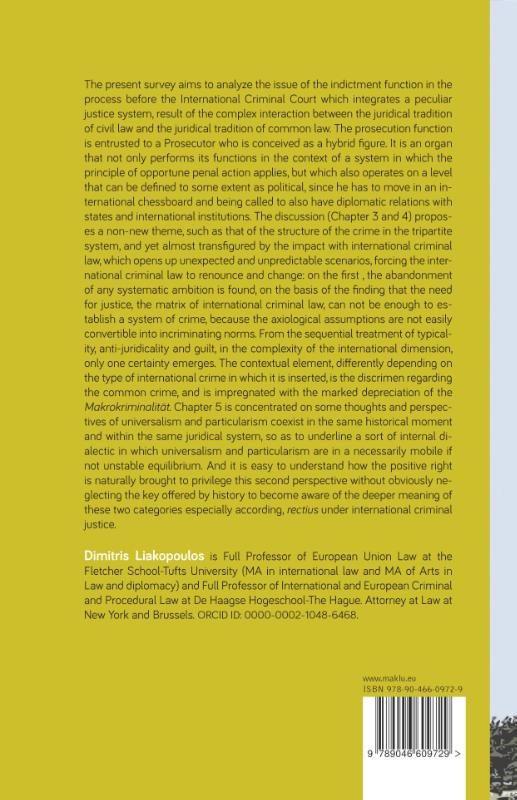
The function of accusation in International Criminal Court structure of crimes and the role of Prosecutor according to the international criminal jurisprudence
Paperback334 pagina’sNederlands
The present survey aims to analyze the issue of the indictment function in theprocess before the International Criminal Court which integrates a peculiarjustice system, result of the complex interaction between the juridical traditionof civil law and the juridical tradition of common law. The prosecution functionis entrusted to a Prosecutor who is conceived as a hybrid figure. It is an organthat not only performs its functions in the context of a system in which theprinciple of opportune penal action applies, but which also operates on a levelthat can be defined to some extent as political, since he has to move in an internationalchessboard and being called to also have diplomatic relations withstates and international institutions. The discussion (Chapter 3 and 4) proposesa non-new theme, such as that of the structure of the crime in the tripartitesystem, and yet almost transfigured by the impact with international criminallaw, which opens up unexpected and unpredictable scenarios, forcing the internationalcriminal law to renounce and change: on the first , the abandonmentof any systematic ambition is found, on the basis of the finding that the needfor justice, the matrix of international criminal law, can not be enough to establisha system of crime, because the axiological assumptions are not easilyconvertible into incriminating norms. From the sequential treatment of typicality,anti-juridicality and guilt, in the complexity of the international dimension,only one certainty emerges. The contextual element, differently depending onthe type of international crime in which it is inserted, is the discrimen regardingthe common crime, and is impregnated with the marked depreciation of theMakrokriminalität. Chapter 5 is concentrated on some thoughts and perspectivesof universalism and particularism coexist in the same historical momentand within the same juridical system, so as to underline a sort of internal dialecticin which universalism and particularism are in a necessarily mobile ifnot unstable equilibrium. And it is easy to understand how the positive rightis naturally brought to privilege this second perspective without obviously neglectingthe key offered by history to become aware of the deeper meaning ofthese two categories especially according, rectius under international criminaljustice.Dimitris Liakopoulos is Full Professor of European Union Law at theFletcher School-Tufts University (MA in international law and MA of Arts inLaw and diplomacy) and Full Professor of International and European Criminaland Procedural Law at De Haagse Hogeschool-The Hague. Attorney at Law atNew York and Brussels. ORCID ID: 0000-0002-1048-6468.
In het kort
ISBN-13
9789046609729
Uitgever
Verschenen
4 juni 2019
Bibliografisch
ISBN-139789046609729
Editie1
TaalNederlands dut
Pagina’s334
GeïllustreerdNee
Uitgave
UitgeverMaklu Uitgevers N.V.
CB-relatie-id8397719
Verschenen4 juni 2019
StatusInactief 08
BeschikbaarheidContact leverancier 99
Adviesprijs (incl. btw)€ 55,00
Vorm & inhoud
ProductvormPaperback BC
SamenstellingLos product
Classificatie
NUR (hoofd)Internationaal (publiek)recht 828
NUR (alle)828 Internationaal (publiek)recht
Medewerkers
Auteur A01Dimitris Liakopoulos
Herkomst
MeldingBevestigd bij publicatie 03
Bijgewerkt6 augustus 2026
Lijkt op dit boek
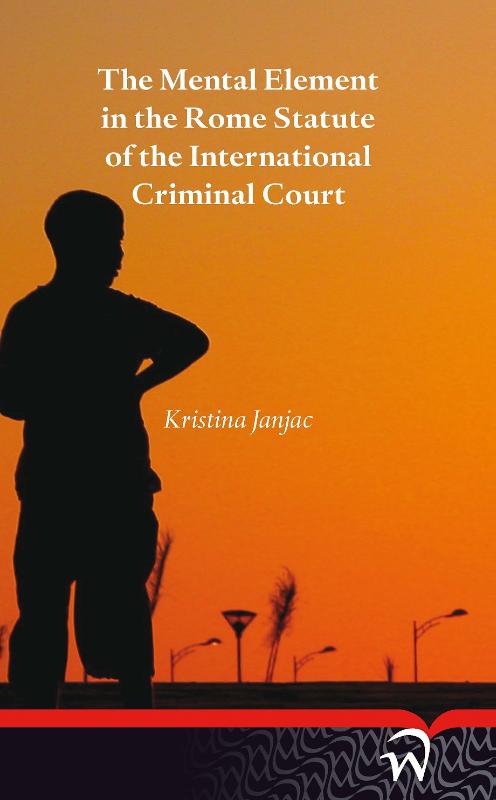
The mental element in the Rome statute of the international criminal court
Opstellen materieel strafrecht
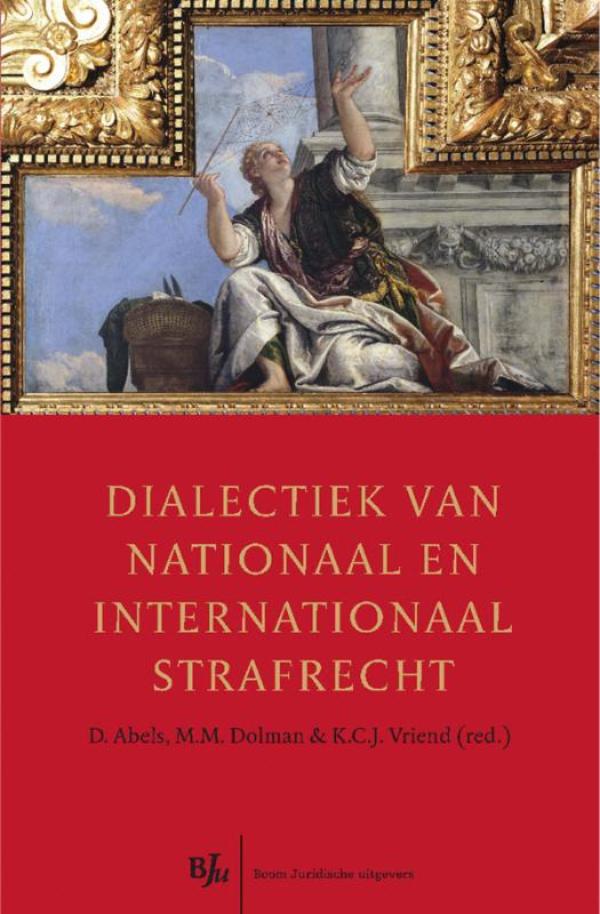
Dialectiek van nationaal en internationaal strafrecht
Facts matter
Handboek Internationaal Strafrecht

Internationaal strafrecht in Nederland
Handboek Internationaal strafrecht
Internationaal strafrecht
Europese en internationale instellingen en organisaties relevant voor criminologie en strafrechtsbedeling
The right to reparations under the rome statute of the international criminal court icc
CB-relatie 8397719 · Bijgewerkt 6 augustus 2026