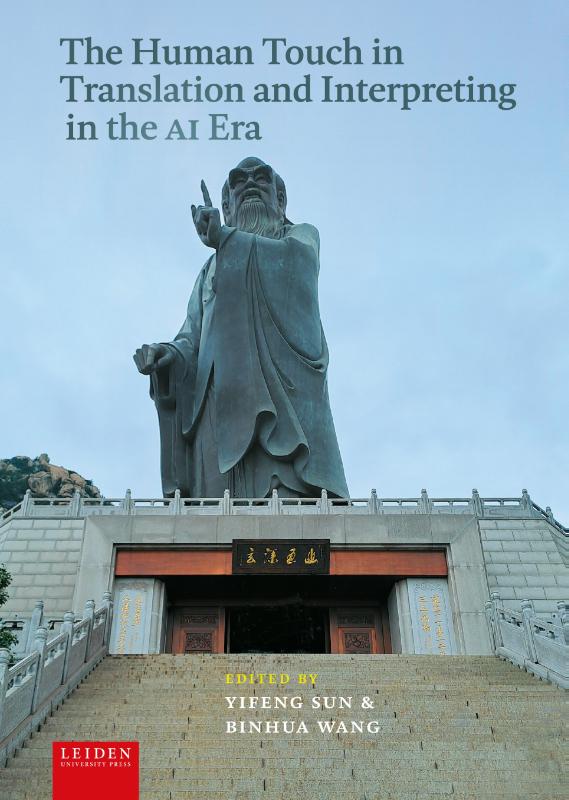
The Human Touch in Translation and Interpreting in the AI Era
Binhua Wang red.
Hardback210 pagina’sEngels
Table of ContentsIntroduction: Who Answers for Meaning?Yifeng Sun, University of MacauSection I. Redefining Translation in the AI era1. Translation as Sensory Experience in the Age of AIPiotr Blumczynski, Queen’s University Belfast2. Augmented Translation: Rehumanizing the Translator in the Age of AIYifeng Sun, University of Macau3. Staying Ahead of the Machines: A Literary Translator’s Adventures with MT and AIDouglas Robinson, Chinese University of Hong Kong (Shenzhen)Section II. Rethinking Translation studies in Today’s AI-driven landscape4. Think Again? Translation Studies after MoveTheo Hermans, University College London5. Deconstruction in the Age of GenAI: Rethinking Translation TheoryGe Song, Hong Kong Education UniversitySection II. Human-AI interaction in T&I6. Symbiotic Interpreting through Human-AI Collaboration in Interpreting and Interpreter Education in the AI EraBinhua Wang, Lingnan University7. Understanding AI Anxiety among Translators: Dimensions and Ways Forward Yanfang Su, Lingnan University; Simin Xu & Kanglong Liu, Hong Kong Polytechnic University Section IV. Pedagogical innovations to prepare future professionals8. From Human Wisdom to Artificial Intelligence: Translation as Education in the AI AgeChunshen Zhu, Beijing Normal-Hong Kong Baptist University; Yuan Deng, Chinese University of Hong Kong (Shenzhen)9. Revisiting the Competence of Translators and Their Educators in the AI Era: Evidence from Chinese Recruitment DataWeihe Zhong & Xi Li, Macau Millennium CollegeThis book responds to current scholarship by challenging the prevailing narrative of human obsolescence in translation and interpreting by foregrounding the enduring significance of human agency.Fluent translation is now easy to generate. The harder question is one that AI cannot answer on its own: who bears responsibility when meaning is produced by systems that cannot themselves be held accountable? Translation has never been just linguistic substitution. It is judgment under constraint, shaped by competing interests, with consequences that fall on real people. AI does not remove that human dimension — it makes questions of interpretive authority and professional accountability harder to sidestep.This book responds to current scholarship by challenging the prevailing narrative of human obsolescence in translation and interpreting by foregrounding the enduring significance of human agency. It offers a distinctive contribution through its sustained focus on human creativity, ethics, and education in technologically mediated contexts of translation and interpreting. The nine chapters from translation studies, interpreting research, philosophy, and AI scholarship examine how creativity, ethics, professional agency, and pedagogy are being reshaped. The volume argues that human authority in translation is not merely a holdover from pre‑digital practice, but a defining condition of translation as an ethical, professional, and institutional activity. Neither technophobia nor uncritical adoption will serve the field. This book offers a clear‑eyed reckoning with what is at stake.
In het kort
ISBN-13
9789087285234
Uitgever
Verschenen
27 januari 2027
Imprint
Bibliografisch
ISBN-139789087285234
Editie1
TaalEngels eng
Pagina’s210
GeïllustreerdNee
Uitgave
UitgeverLeiden University Press
ImprintLeiden University Press
CB-relatie-id6345163
Verschenen27 januari 2027
StatusOnbekend 00
BeschikbaarheidContact leverancier 99
Zonder prijsPrijs volgt
Vorm & inhoud
ProductvormHardback BB
SamenstellingLos product
Classificatie
NUR (hoofd)Taalbeheersing 623
NUR (alle)623 Taalbeheersing
Medewerkers
Redacteur B01Yifeng Sun
Redacteur B01Binhua Wang
Herkomst
Werk-id (NSTC)501697246
MeldingUpdate 04
Laatste CB-bericht7836
Bijgewerkt17 september 2026
Trefwoorden
Lijkt op dit boek

Mijn niet-Nederlandse Nederlanders

Thuis in het Nederlands
Dat is moai Frysk!
Meertaligheid in de klas
Dutch Unlocked: 21 Short Stories for Beginners

Ontdek de kracht van thematisch onderwijs
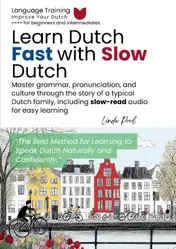
Learn Dutch Fast with Slow Dutch
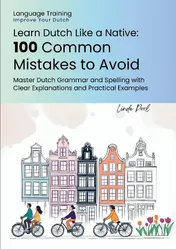
Learn Dutch Like a Native - 100 Common Mistakes to Avoid
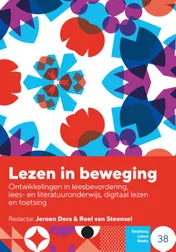
Lezen in beweging
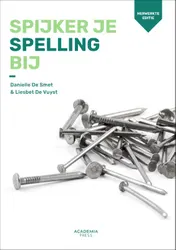
Spijker je spelling bij
NSTC 501697246 · CB-relatie 6345163 · Laatste CB-bericht 7836 · Bijgewerkt 17 september 2026