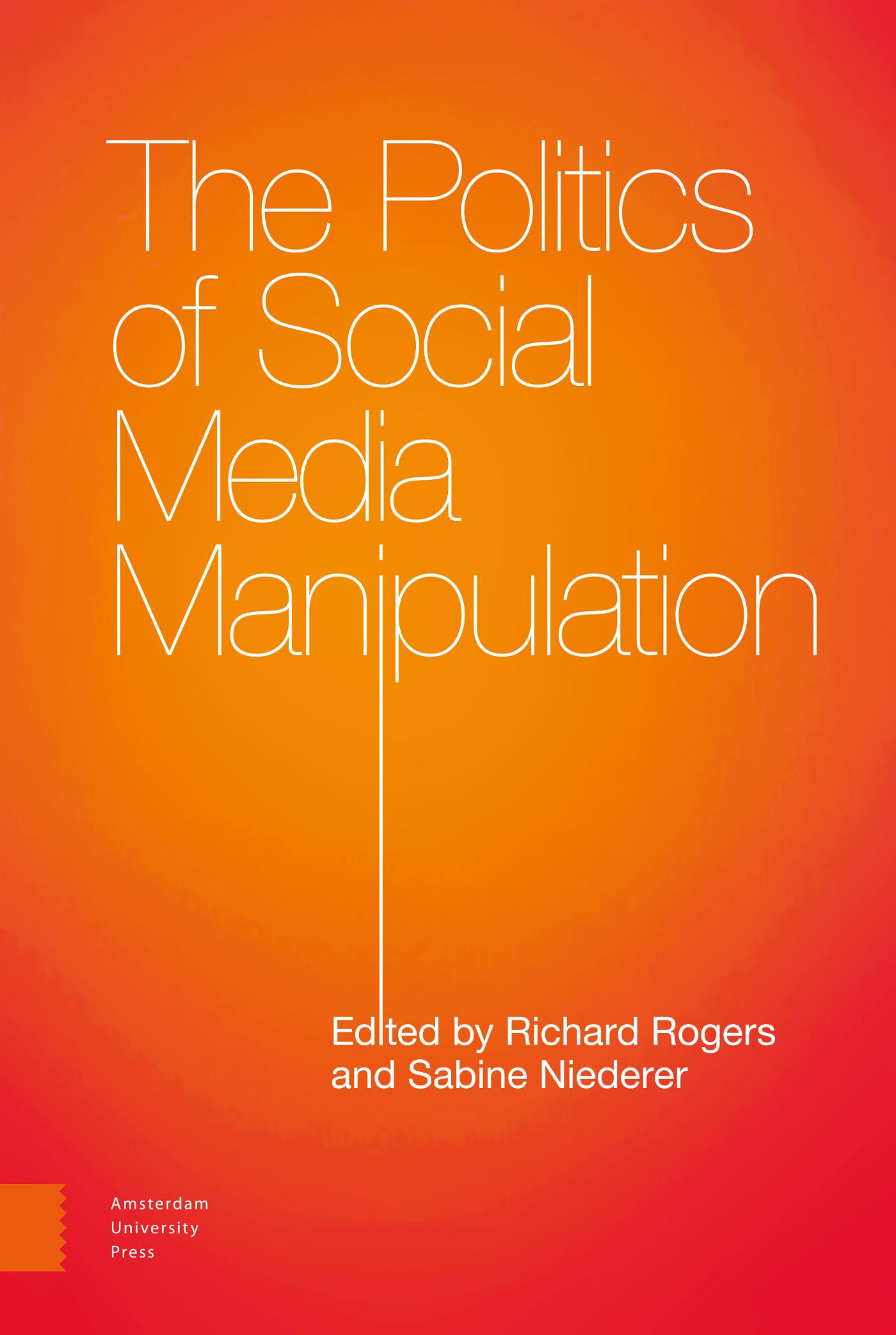
Disinformation and so-called fake news are contemporary phenomena with rich histories. Disinformation, or the willful introduction of false information for the purposes of causing harm, recalls infamous foreign interference operations in national media systems. Outcries over fake news, or dubious stories with the trappings of news, have coincided with the introduction of new media technologies that disrupt the publication, distribution and consumption of news -- from the so-called rumour-mongering broadsheets centuries ago to the blogosphere recently. Designating a news organization as fake, or der Lügenpresse, has a darker history, associated with authoritarian regimes or populist bombast diminishing the reputation of 'elite media' and the value of inconvenient truths. In a series of empirical studies, using digital methods and data journalism, we inquire into the extent to which social media have enabled the penetration of foreign disinformation operations, the widespread publication and spread of dubious content as well as extreme commentators with considerable followings attacking mainstream media as fake.
In het kort
ISBN-13
9789048551675
Uitgever
Verschenen
23 oktober 2020
Imprint
Bibliografisch
ISBN-139789048551675
Editie1
TaalEngels eng
Pagina’s292
GeïllustreerdJa
Uitgave
UitgeverAmsterdam University Press
ImprintAmsterdam University Press
CB-relatie-id7400597
Verschenen23 oktober 2020
StatusOnbekend 00
Vorm & inhoud
ProductvormE-book ED
VormdetailE107 PDF
SamenstellingLos product
Beveiliging e-bookAdobe DRM 03
Classificatie
Medewerkers
Redacteur B01Richard Rogers
Redacteur B01Sabine Niederer
Herkomst
Werk-id (NSTC)500838353
MeldingBevestigd bij publicatie 03
Bijgewerkt6 augustus 2026
Lijkt op dit boek








NSTC 500838353 · CB-relatie 7400597 · Bijgewerkt 6 augustus 2026