
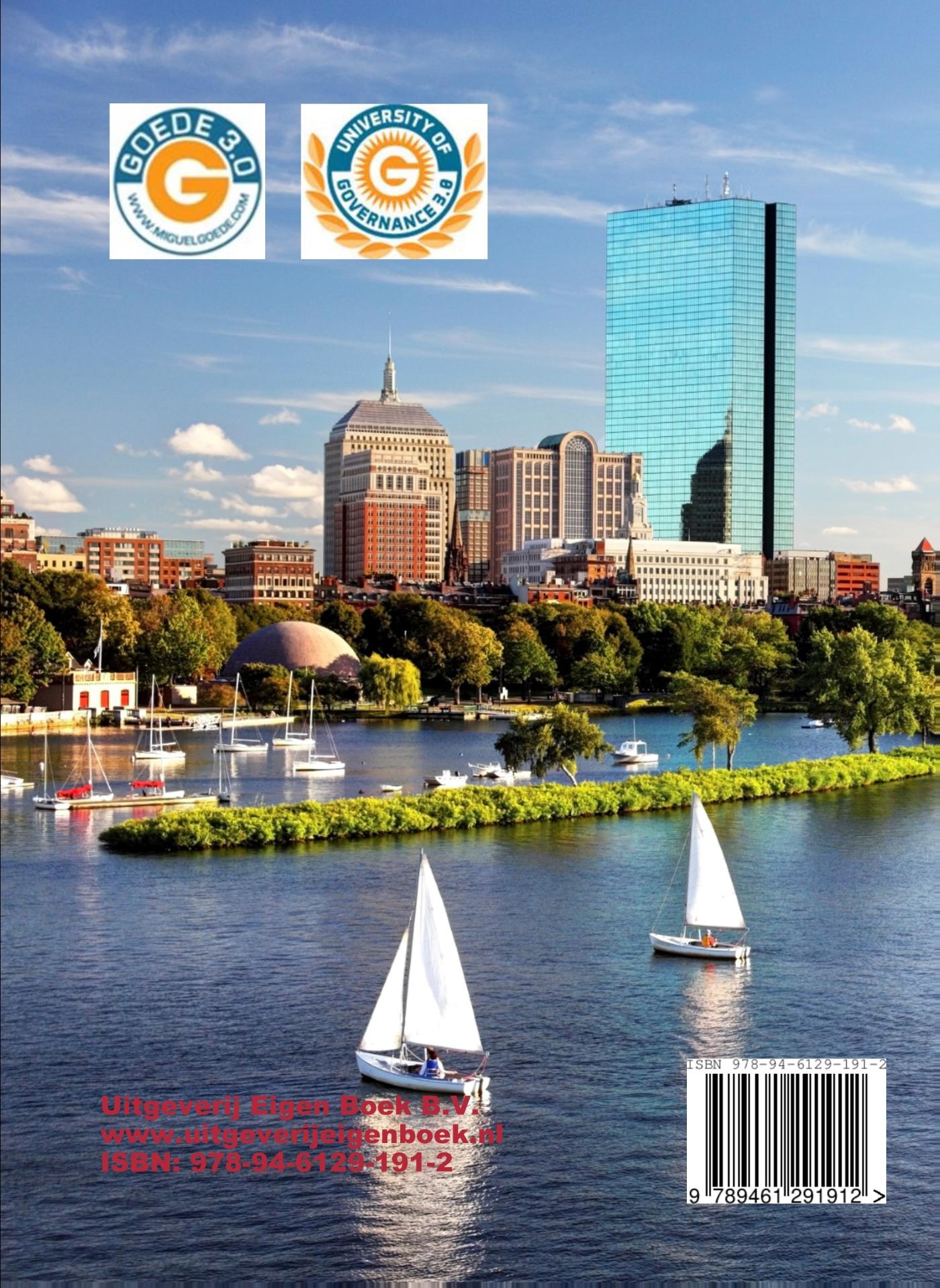
Utopia 2065 ideas, hope and inspiration
E-book68 pagina’sEngelsLeverbaar
Ook verkrijgbaar als
Utopia is an impossible reality, a happy non-existing society. It is also a philosophical tradition, typified by the authors who describe an ideal society. The most renowned of these is Thomas More, who wrote his book Utopia: The Ideal Society in 1516, exactly five hundred years ago.I was glad to start this book after the publication of my previous book in Dutch, Bizar bestuur, because it was a wearisome process. It is not amusing to make the bizarre explicit. It was necessary to emphasize the urgency for change. In this book I explain that good governance is possible. It is utopic, but it is what we need. Utopia is an impossible reality, a happy non-existing society. It is also a philosophical tradition, typified by the authors who describe an ideal society. The most renowned of these is Thomas More, who wrote his book Utopia: The Ideal Society in 1516, exactly five hundred years ago.The future has changed. Change has evolved from constant change to the era of change (Kotter, 1996), and now we are experiencing a change of era. I admire those who talk about the future with conviction because the future is unknown. Some have said that the best way to predict the future is to create it. Others believe it is a matter of analysis, looking at the rise of American power, the end of population explosion and the development of technology (Friedman, 2010). Some have actually tried to create utopia in experiments in communes. One example is the village Mirnaleda in Spain. It functions based on principles of cooperatism and socialism and has had better results than other villages with low unemployment, affordable housing, and no budget deficit (Boer, 2015). Even on the small island of Curaçao, we have communes like Eco Village Sol. I do not know. If we do not create the future, we might end up in a society as presented in the movie Idiocracy (Judge, 2005), a dystopian world governed by idiots. Nevertheless, I suspect the changes are going to be big, dramatic and swift. It is going to be a tsunami. That is what I sense and in this book I meditate about the new society.This book is directed to learners who think about the current society and the future of society. To encourage further learning, links are presented to access other sources.I felt less alone in my quest after I read Vlaanderen 2055 by Johnathan Holslag (2015) while visiting Europe. In November 2015 I stayed in Maastricht, close to the place where Thomas More worked on his book five hundred years ago. Holslag, however, does not consider his work utopic but realistic. He inspired me to add 2065 (not 2055) to the title of this book: fifty years from now.
In het kort
ISBN-13
9789461291943
Verschenen
11 mei 2016
Imprint
Bibliografisch
ISBN-139789461291943
Editie1
TaalEngels eng
Pagina’s68
GeïllustreerdNee
Uitgave
ImprintUitgeverij Eigen Boek B.V.
CB-relatie-id9844311
Verschenen11 mei 2016
StatusLeverbaar 04
BeschikbaarheidBeschikbaar 20
Adviesprijs (incl. btw)€ 3,77
Vorm & inhoud
ProductvormE-book ED
VormdetailE101 EPUB
SamenstellingLos product
EPUB-versie2
Beveiliging e-bookGeen 00
Classificatie
NUR (hoofd)Mens en maatschappij algemeen 740
NUR (alle)740 Mens en maatschappij algemeen
Medewerkers
Auteur A01Miguel Goede
Herkomst
Werk-id (NSTC)500057877
MeldingBevestigd bij publicatie 03
Bijgewerkt6 augustus 2026
Trefwoorden
Lijkt op dit boek
NSTC 500057877 · CB-relatie 9844311 · Bijgewerkt 6 augustus 2026