
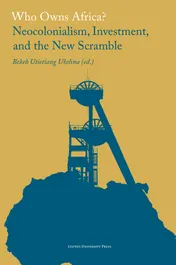
Who Owns Africa? Neocolonialism, Investment, and the New Scramble
Paperback280 pagina’sEngels
AcknowledgmentsIntroductionFrom the European Scramble for Africa to the New ScrambleBekeh Utietiang UkelinaChapter OneThe Political Economy of Contemporary Africa: Lessons from the Scrambles for Africa John K. MarahChapter TwoDecoding the Realpolitik of African States: The Paradox of Foreign Policy Options in a Context of Imperial Scramble Nene-Lomotey KuditcharChapter ThreeDoing Good: US Aid and Philanthropic Colonialism in Africa Bekeh Utietiang UkelinaChapter FourThe New Scramble and Its Economic Impact on West African Women Tokie Laotan-BrownChapter Five“We Are Returning to Africa, and Africa is Coming Back to Us”: Israel’s Evolving Relations With Africa Asher LubotzkyChapter SixChina in Africa: Rethinking Development, the Role of the Nation State, and Neo-Benevolent Imperialism Seth N. AsumahChapter SevenGovernmentality of China in Africa: A New Scramble through Road and Belt Initiatives Kudakwashe ChirambwiChapter EightChina’s Incidental Empire: How Chinese Energy Demand Created an Informal Empire in Africa Philip J. MurrayChapter NineMalawi-China Relations: A Strategic But Weak Developmental Partnership Paul Chiudza Banda & Gift Wasambo KayiraConclusionReflections on Neocolonialism and the New Scramble Bekeh Utietiang UkelinaAbout the AuthorsWhy in spite of Africa’s abundant natural and human resources its people are still poorThe independence of African countries from their European colonizers in the late 1950s and 1960s marked a shift in the continent's political leadership. Nevertheless, the economies of African nations remained tied to those of their former colonies, raising questions of resource control and the sovereignty of these nation-states.Who Owns Africa? addresses the role of foreign actors in Africa and their competing interests in exploiting the resources of Africa and its people. An interdisciplinary team of scholars, all experts in African studies, examines the concept of colonialism from a historical and socio-political perspective. They show how the language of investment, development aid, mutual interest, or philanthropy is used to cloak the virulent forms of exploitation on the continent, thereby perpetuating a state of neocolonialism that has left many African people poor and in the margins.The independence of African countries from their European colonizers in the late 1950s and 1960s marked a shift in the continent's political leadership. Nevertheless, the economies of African nations remained tied to those of their former colonies, raising questions of resource control and the sovereignty of these nation-states.Who Owns Africa? addresses the role of foreign actors in Africa and their competing interests in exploiting the resources of Africa and its people. An interdisciplinary team of scholars, all experts in African studies, examines the concept of colonialism from a historical and socio-political perspective. They show how the language of investment, development aid, mutual interest, or philanthropy is used to cloak the virulent forms of exploitation on the continent, thereby perpetuating a state of neocolonialism that has left many African people poor and in the margins.
In het kort
ISBN-13
9789462703438
Uitgever
Verschenen
25 november 2022
Imprint
Bibliografisch
ISBN-139789462703438
Editie1
TaalEngels eng
Pagina’s280
GeïllustreerdNee
Uitgave
UitgeverUniversitaire Pers Leuven
ImprintLeuven University Press
CB-relatie-id8004161
Verschenen25 november 2022
StatusAangekondigd 02
BeschikbaarheidContact leverancier 99
Adviesprijs (incl. btw)€ 45,00
Vorm & inhoud
ProductvormPaperback BC
SamenstellingLos product
Classificatie
NUR (hoofd)Moderne geschiedenis (1870-heden) 686
NUR (alle)686 Moderne geschiedenis (1870-heden)
Trefwoordencold war · peace corps · colonialism · belt and road initiative · sovereignty · neocolonialism · pancolonialism · scramble for africa · sino-cautionism · new scramble · berlin conference
Medewerkers
Redacteur B01Bekeh Utietiang Ukelina
Herkomst
MeldingBevestigd bij publicatie 03
Bijgewerkt6 augustus 2026
Trefwoorden
Lijkt op dit boek
CB-relatie 8004161 · Bijgewerkt 6 augustus 2026