
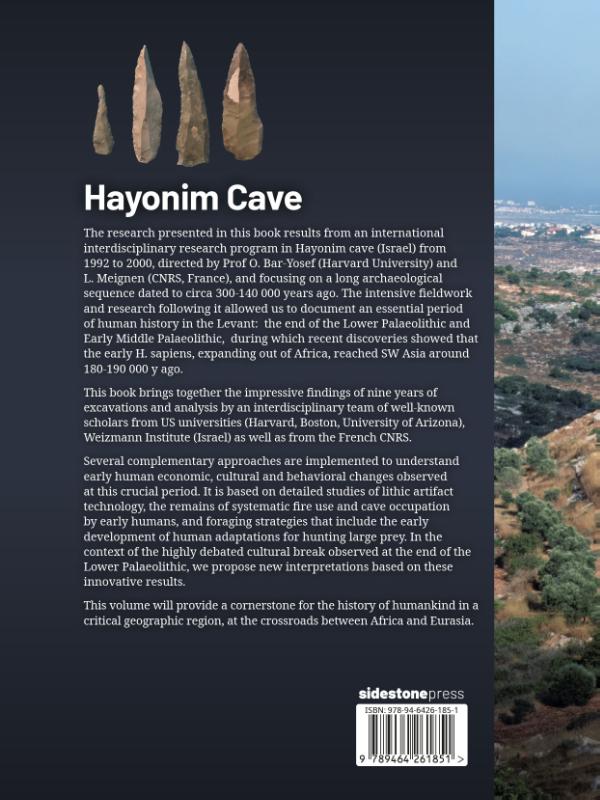
Hayonim Cave From the Early to the Middle Palaeolithic in the Levant (Israel)
Ofer Bar-Yosef bewerker
Hardback300 pagina’sEngels
PrefaceL. Meignen O. Bar-YosefChapter 1 – IntroductionLiliane Meignen, Ofer Bar-YosefChapter 2 – Hayonim geology and stratigraphyPaul Goldberg, Liliane Meignen, Steve Weiner, Ofer Bar-YosefChapter 3 – Fire use, cave occupations by early Middle Palaeolithic Humans in Hayonim CaveLiliane Meignen, Paul GoldbergChapter 4 – Faunal perspectives on carbonate preservation and hearth-centered activities during the Middle Palaeolithic in Hayonim CaveMary C. StinerChapter 5- Hayonim Cave: Lithic assemblages, from the end of the Lower Palaeolithic to the Middle PalaeolithicLiliane MeignenChapter 6- Technological, cultural and behavioral changes in the Levant from the Late Lower Palaeolithic to the mid-Middle Palaeolithic: Contribution from the Hayonim sequenceLiliane MeignenThe research presented in this book results from an international interdisciplinary research program in Hayonim cave (Israel) from 1992 to 2000, directed by Prof O. Bar-Yosef (Harvard University) and L. Meignen (CNRS, France), and focusing on a long archaeological sequence dated to circa 300-140 000 years ago. The intensive fieldwork and research following it allowed us to document an essential period of human history in the Levant: the end of the Lower Palaeolithic and Early Middle Palaeolithic, during which recent discoveries showed that the early H. sapiens, expanding out of Africa, reached SW Asia around 180-190 000 y ago.This book brings together the impressive findings of nine years of excavations and analysis by an interdisciplinary team of well-known scholars from US universities (Harvard, Boston, University of Arizona), Weizmann Institute (Israel) as well as from the French CNRS.Several complementary approaches are implemented to understand early human economic, cultural and behavioral changes observed at this crucial period. It is based on detailed studies of lithic artifact technology, the remains of systematic fire use and cave occupation by early humans, and foraging strategies that include the early development of human adaptations for hunting large prey. In the context of the highly debated cultural break observed at the end of the Lower Palaeolithic, we propose new interpretations based on these innovative results.This volume will provide a cornerstone for the history of humankind in a critical geographic region, at the crossroads between Africa and Eurasia.With contributions by Paul Goldberg , Mary C. Stiner & Steve Weiner.
In het kort
ISBN-13
9789464261868
Uitgever
Verschenen
8 november 2023
Imprint
Bibliografisch
ISBN-139789464261868
Editie1
TaalEngels eng
Pagina’s300
GeïllustreerdJa
Uitgave
UitgeverSidestone Press
ImprintSidestone Press
CB-relatie-id9180064
Verschenen8 november 2023
StatusOnbekend 00
Vorm & inhoud
ProductvormHardback BB
SamenstellingLos product
Classificatie
NUR (hoofd)Archeologie 682
NUR (alle)682 Archeologie
Medewerkers
Bewerker B05Liliane Meignen
Bewerker B05Ofer Bar-Yosef
Herkomst
Werk-id (NSTC)501547747
MeldingBevestigd bij publicatie 03
Bijgewerkt6 augustus 2026
Lijkt op dit boek
Hayonim Cave
The Lower to Middle Palaeolithic Transition in Northwestern Europe
Intent on the Paleolithic
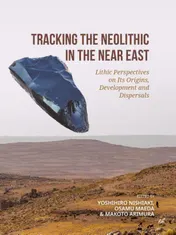
Tracking the Neolithic in the Near East
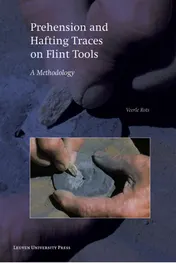
Prehension and hafting traces on flint tools
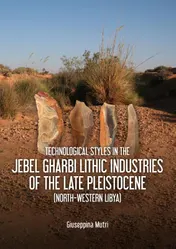
Technological Styles in the Jebel Gharbi Lithic Industries of the Late Pleistocene (North-Western Libya)

Cooking with plants in ancient Europe and beyond
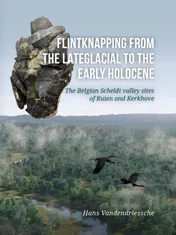
Flintknapping from the Lateglacial to the Early Holocene
Hidden dimensions

Artefact Biographies from Mesolithic and Neolithic Europe and Beyond
NSTC 501547747 · CB-relatie 9180064 · Bijgewerkt 6 augustus 2026