
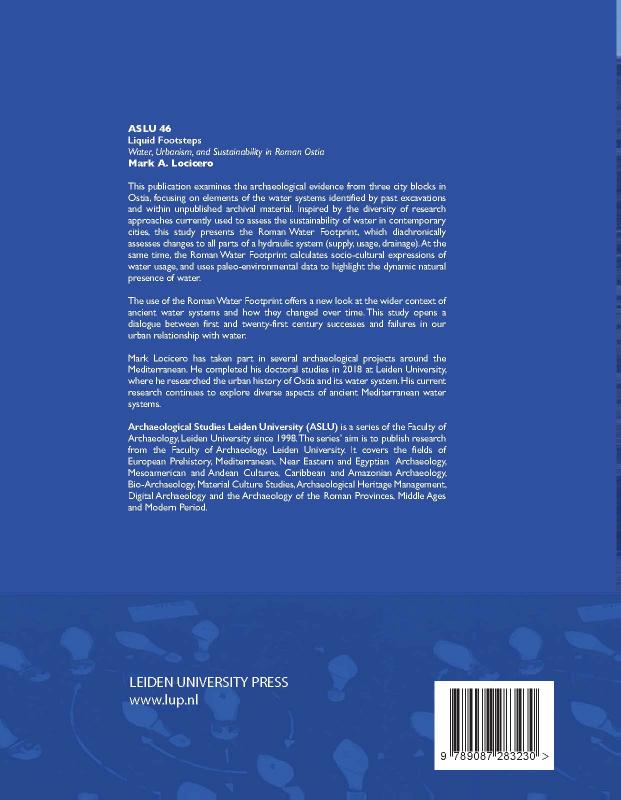
Liquid Footprints Water, Urbanism, and Sustainability in Roman Ostia
This study opens a dialogue between first and twenty-first century successes and failures in our urban relationship with water.This publication examines the archaeological evidence from three city blocks in Ostia, focusing on elements of the water systems identified by past excavations and within unpublished archival material. Inspired by the diversity of research approaches currently used to assess the sustainability of water in contemporary cities, this study presents the Roman Water Footprint, which diachronically assesses changes to all parts of a hydraulic system (supply, usage, drainage). At the same time, the Roman Water Footprint calculates socio-cultural expressions of water usage, and uses paleo-environmental data to highlight the dynamic natural presence of water.
The use of the Roman Water Footprint offers a new look at the wider context of ancient water systems and how they changed over time. This study opens a dialogue between first and twenty-first century successes and failures in our urban relationship with water.
Mark Locicero has taken part in several archaeological projects around the Mediterranean. He completed his doctoral studies in 2018 at Leiden University, where he researched the urban history of Ostia and its water system. His current research continues to explore diverse aspects of ancient Mediterranean water systems.
This publication examines the archaeological evidence from three city blocks in Ostia, focusing on elements of the water systems identified by past excavations and within unpublished archival material. Inspired by the diversity of research approaches currently used to assess the sustainability of water in contemporary cities, this study presents the Roman Water Footprint, which diachronically assesses changes to all parts of a hydraulic system (supply, usage, drainage). At the same time, the Roman Water Footprint calculates socio-cultural expressions of water usage, and uses paleo-environmental data to highlight the dynamic natural presence of water. The use of the Roman Water Footprint offers a new look at the wider context of ancient water systems and how they changed over time. This study opens a dialogue between first and twenty-first century successes and failures in our urban relationship with water.
The use of the Roman Water Footprint offers a new look at the wider context of ancient water systems and how they changed over time. This study opens a dialogue between first and twenty-first century successes and failures in our urban relationship with water.
Mark Locicero has taken part in several archaeological projects around the Mediterranean. He completed his doctoral studies in 2018 at Leiden University, where he researched the urban history of Ostia and its water system. His current research continues to explore diverse aspects of ancient Mediterranean water systems.
This publication examines the archaeological evidence from three city blocks in Ostia, focusing on elements of the water systems identified by past excavations and within unpublished archival material. Inspired by the diversity of research approaches currently used to assess the sustainability of water in contemporary cities, this study presents the Roman Water Footprint, which diachronically assesses changes to all parts of a hydraulic system (supply, usage, drainage). At the same time, the Roman Water Footprint calculates socio-cultural expressions of water usage, and uses paleo-environmental data to highlight the dynamic natural presence of water. The use of the Roman Water Footprint offers a new look at the wider context of ancient water systems and how they changed over time. This study opens a dialogue between first and twenty-first century successes and failures in our urban relationship with water.
In het kort
ISBN-13
9789087283230
Uitgever
Verschenen
10 april 2020
Imprint
Bibliografisch
ISBN-139789087283230
SerieArchaeological studies Leiden University (ASLU) — deel 46
Editie1
TaalEngels eng
Pagina’s382
GeïllustreerdJa
Uitgave
UitgeverLeiden University Press
ImprintLeiden University Press
CB-relatie-id6345163
Verschenen10 april 2020
StatusOnbekend 00
BeschikbaarheidContact leverancier 99
Zonder prijsPrijs volgt
Vorm & inhoud
ProductvormPaperback BC
SamenstellingLos product
Classificatie
NUR (hoofd)Archeologie 682
NUR (alle)682 Archeologie
Medewerkers
Auteur A01Mark A. Locicero
Herkomst
Werk-id (NSTC)500312545
MeldingBevestigd bij publicatie 03
Laatste CB-bericht7766
Bijgewerkt5 augustus 2026
Lijkt op dit boek
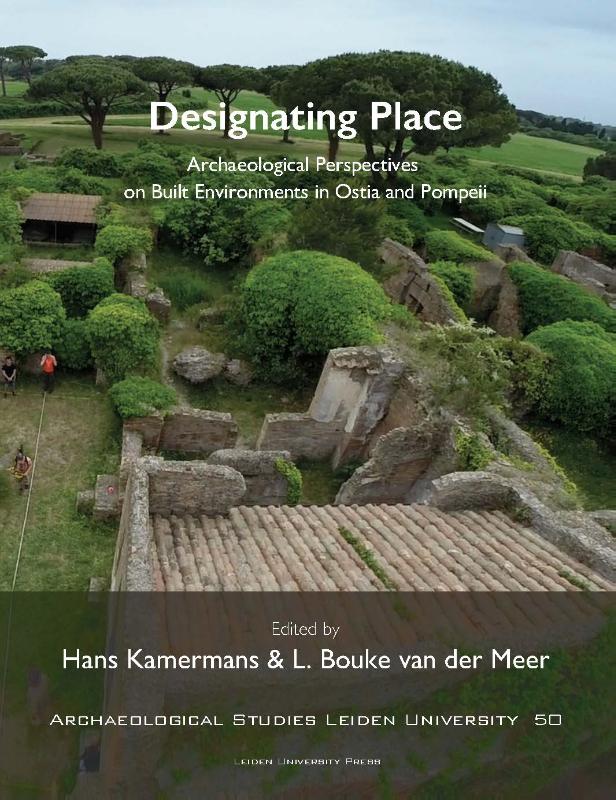
Designating Place
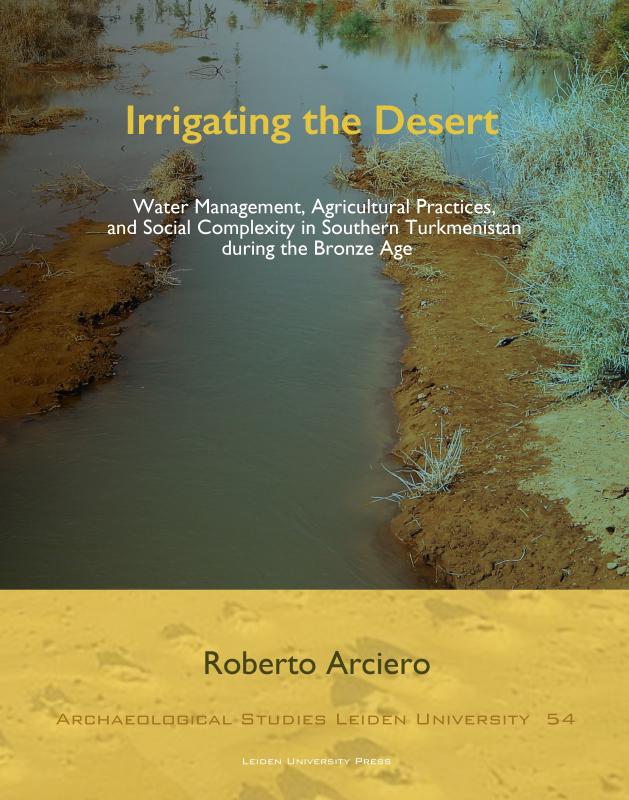
Irrigating the Desert
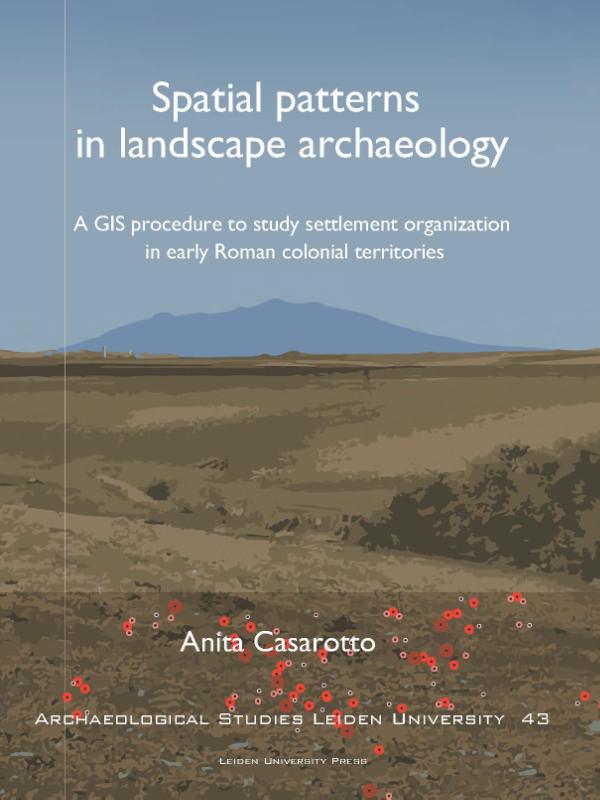
Spatial Patterns in Landscape Archaeology

Egypt beyond representation
Water Management in the Premodern Middle East
Shipwrecking Probability in Mediterranean Territorial Waters
Reconstructing the Settled Landscape of the Cyclades
Wild West Frisia
The potters’ perspectives
Troubled Waters
NSTC 500312545 · CB-relatie 6345163 · Laatste CB-bericht 7766 · Bijgewerkt 5 augustus 2026