
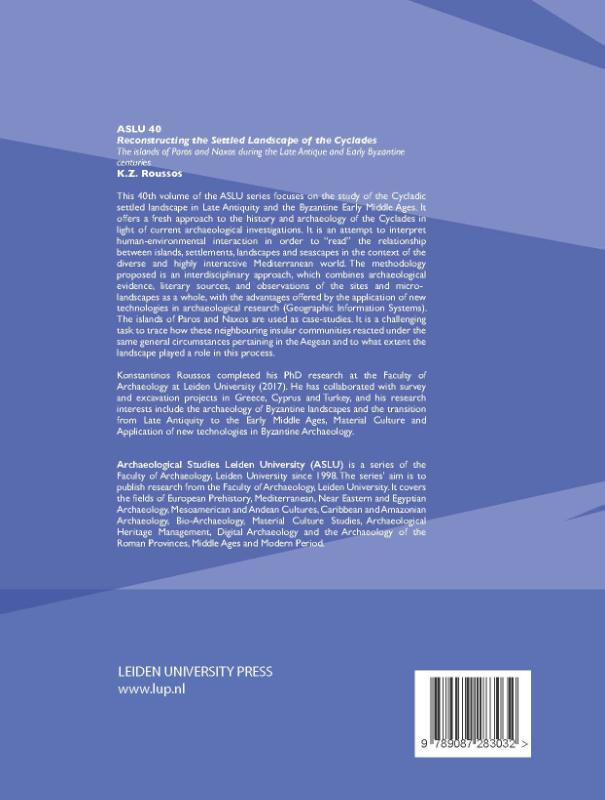
Reconstructing the Settled Landscape of the Cyclades the Islands of Paros and Naxos during the Late Antique and Early Byzantine Centuries
The Islands of Paros and Naxos during the Late Antique and Early Byzantine Centuries
The aim of this book is to offer a fresh approach to the history and archaeology of the Cyclades in Late Antiquity and the Byzantine Early Middle Ages in light of current archaeological investigations. It is an attempt to interpret human-environmental interaction in order to "read" the relationship between islands, settlements, landscapes and seascapes in the context of the diverse and highly interactive Mediterranean world.
It offers an interdisciplinary approach, which combines archaeological evidence, literary sources, and observations of the sites and micro-landscapes as a whole, using the advantages offered by the application of new technologies in archaeological research (Geographic Information Systems). The islands of Paros and Naxos are used as case-studies. The author traces how these neighbouring insular communities reacted under the same general circumstances pertaining in the Aegean and to what extent the landscape played a role in this process.
Konstantinos Roussos completed his PhD research at the Faculty of Archaeology at Leiden University (2017). He is currently involved as Research Fellow in the "Amorium Urban Archaeology Project" at Anadolu University, Turkey.
The aim of this book is to offer a fresh approach to the history and archaeology of the Cyclades in Late Antiquity and the Byzantine Early Middle Ages in light of current archaeological investigations. It is an attempt to interpret human-environmental interaction in order to "read" the relationship between islands, settlements, landscapes and seascapes in the context of the diverse and highly interactive Mediterranean world.
It offers an interdisciplinary approach, which combines archaeological evidence, literary sources, and observations of the sites and micro-landscapes as a whole, using the advantages offered by the application of new technologies in archaeological research (Geographic Information Systems). The islands of Paros and Naxos are used as case-studies. The author traces how these neighbouring insular communities reacted under the same general circumstances pertaining in the Aegean and to what extent the landscape played a role in this process.
Konstantinos Roussos completed his PhD research at the Faculty of Archaeology at Leiden University (2017). He is currently involved as Research Fellow in the "Amorium Urban Archaeology Project" at Anadolu University, Turkey.
In het kort
ISBN-13
9789087283032
Uitgever
Verschenen
1 november 2017
Imprint
Bibliografisch
ISBN-139789087283032
SerieArchaeological studies Leiden University (ASLU) — deel 40
Editie1
TaalEngels eng
Pagina’s338
GeïllustreerdJa
Uitgave
UitgeverLeiden University Press
ImprintLeiden University Press
CB-relatie-id6345163
Verschenen1 november 2017
StatusOnbekend 00
BeschikbaarheidContact leverancier 99
Zonder prijsPrijs volgt
Vorm & inhoud
ProductvormPaperback BC
SamenstellingLos product
Classificatie
NUR (hoofd)Archeologie 682
NUR (alle)682 Archeologie
Medewerkers
Auteur A01Konstantinos Roussos
Herkomst
Werk-id (NSTC)500367253
MeldingBevestigd bij publicatie 03
Laatste CB-bericht7766
Bijgewerkt5 augustus 2026
Lijkt op dit boek
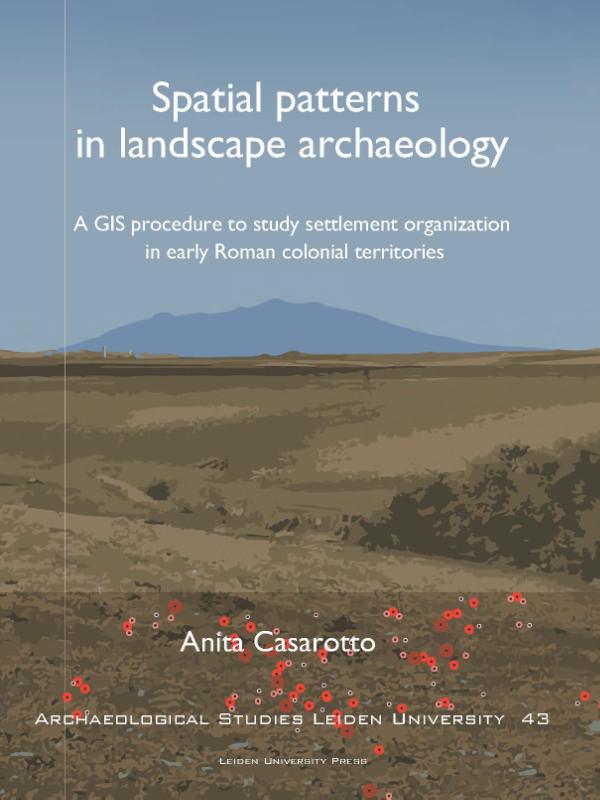
Spatial Patterns in Landscape Archaeology
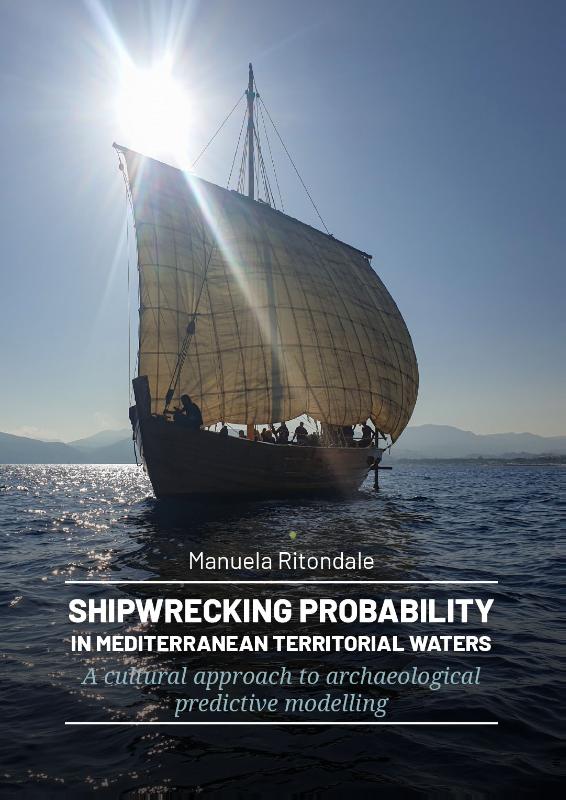
Shipwrecking Probability in Mediterranean Territorial Waters
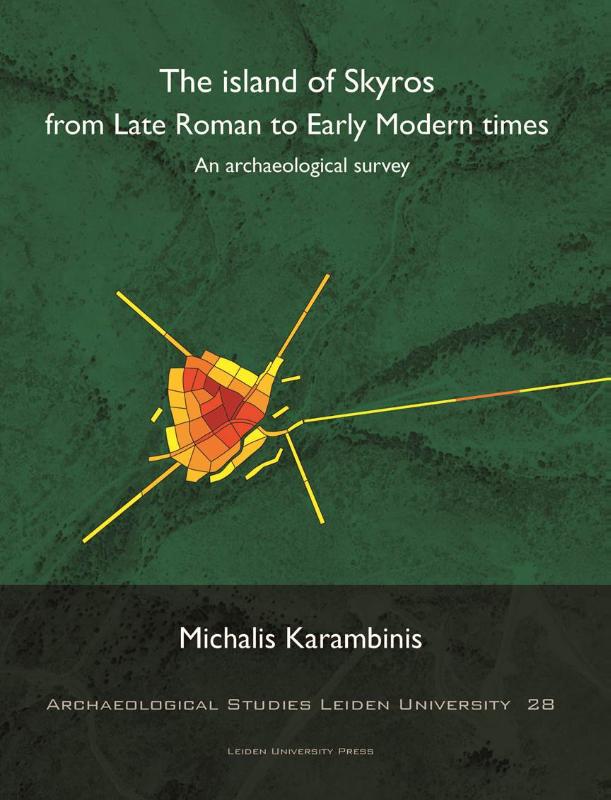
The Island of Skyros from late roman to early modern times

Mapping landscapes in transformation
Designating Place
Wild West Frisia
Liquid Footprints

Documenting Ancient Sagalassos
Clothes Make the Man
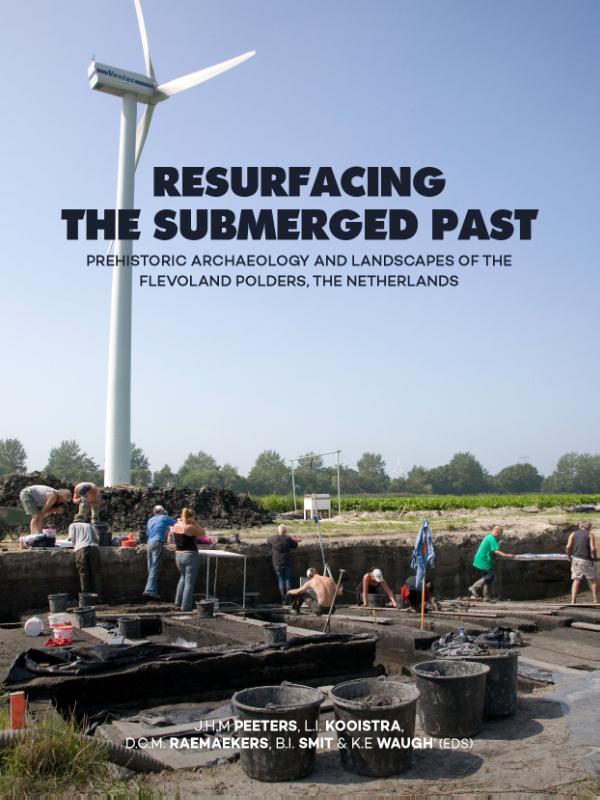
Resurfacing the submerged past
NSTC 500367253 · CB-relatie 6345163 · Laatste CB-bericht 7766 · Bijgewerkt 5 augustus 2026