
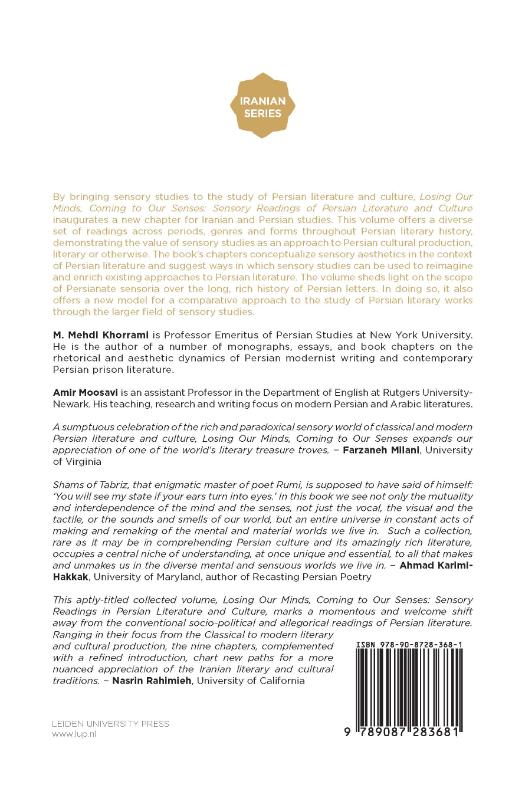
Losing Our Minds, Coming to Our Senses Sensory Readings of Persian Literature and Culture
Amir Moosavi red.
By bringing sensory studies to the study of Persian literature and culture, 'Losing Our Minds, Coming to Our Senses: Sensory Readings of Persian Literature and Culture' inaugurates a new chapter for Iranian and Persian studies. This volume offers a diverse set of readings across periods, genres and forms throughout Persian literary history, demonstrating the value of sensory studies as an approach to Persian cultural production, literary or otherwise. The book’s chapters conceptualize sensory aesthetics in the context of Persian literature and suggest ways in which sensory studies can be used to reimagine and enrich existing approaches to Persian literature. The volume sheds light on the scope of Persianate sensoria over the long, rich history of Persian letters. In doing so, it also offers a new model for a comparative approach to the study of Persian literary works through the larger field of sensory studies.
M. Mehdi Khorrami is Professor Emeritus of Persian Studies at New York University. He is the author of a number of monographs, essays, and book chapters on the rhetorical and aesthetic dynamics of Persian modernist writing and contemporary Persian prison literature.
Amir Moosavi is an assistant professor in the Department of English at Rutgers University- Newark. His teaching, research and writing focus on modern Persian and Arabic literatures.
A sumptuous celebration of the rich and paradoxical sensory world of classical and modern Persian literature and culture, 'Losing Our Minds, Coming to Our Senses' expands our appreciation of one of the world’s literary treasure troves.
Farzaneh Milani, University of Virginia
Shams of Tabriz, that enigmatic master of poet Rumi, is supposed to have said of himself: ‘You will see my state if your ears turn into eyes.’ In this book we see not only the mutuality and interdependence of the mind and the senses, not just the vocal, the visual and the tactile, or the sounds and smells of our world, but an entire universe in constant acts of making and remaking of the mental and material worlds we live in. Such a collection, rare as it may be in comprehending Persian culture and its amazingly rich literature, occupies a central niche of understanding, at once unique and essential, to all that makes and unmakes us in the diverse mental and sensuous worlds we live in.
Ahmad Karimi-Hakkak, University of Maryland, author of Recasting Persian Poetry
This aptly-titled collected volume, 'Losing Our Minds, Coming to Our Senses: Sensory Readings in Persian Literature and Culture', marks a momentous and welcome shift away from the conventional socio-political and allegorical readings of Persian literature. Ranging in their focus from the Classical to modern literary and cultural production, the nine chapters, complemented with a refined introduction, chart new paths for a more nuanced appreciation of the Iranian literary and cultural traditions.
Nasrin Rahimieh, University of California
M. Mehdi Khorrami is Professor Emeritus of Persian Studies at New York University. He is the author of a number of monographs, essays, and book chapters on the rhetorical and aesthetic dynamics of Persian modernist writing and contemporary Persian prison literature.
Amir Moosavi is an assistant professor in the Department of English at Rutgers University- Newark. His teaching, research and writing focus on modern Persian and Arabic literatures.
A sumptuous celebration of the rich and paradoxical sensory world of classical and modern Persian literature and culture, 'Losing Our Minds, Coming to Our Senses' expands our appreciation of one of the world’s literary treasure troves.
Farzaneh Milani, University of Virginia
Shams of Tabriz, that enigmatic master of poet Rumi, is supposed to have said of himself: ‘You will see my state if your ears turn into eyes.’ In this book we see not only the mutuality and interdependence of the mind and the senses, not just the vocal, the visual and the tactile, or the sounds and smells of our world, but an entire universe in constant acts of making and remaking of the mental and material worlds we live in. Such a collection, rare as it may be in comprehending Persian culture and its amazingly rich literature, occupies a central niche of understanding, at once unique and essential, to all that makes and unmakes us in the diverse mental and sensuous worlds we live in.
Ahmad Karimi-Hakkak, University of Maryland, author of Recasting Persian Poetry
This aptly-titled collected volume, 'Losing Our Minds, Coming to Our Senses: Sensory Readings in Persian Literature and Culture', marks a momentous and welcome shift away from the conventional socio-political and allegorical readings of Persian literature. Ranging in their focus from the Classical to modern literary and cultural production, the nine chapters, complemented with a refined introduction, chart new paths for a more nuanced appreciation of the Iranian literary and cultural traditions.
Nasrin Rahimieh, University of California
In het kort
ISBN-13
9789087283681
Uitgever
Verschenen
18 juni 2021
Imprint
Bibliografisch
Uitgave
UitgeverLeiden University Press
ImprintLeiden University Press
CB-relatie-id6345163
Verschenen18 juni 2021
StatusOnbekend 00
BeschikbaarheidContact leverancier 99
Zonder prijsPrijs volgt
Vorm & inhoud
ProductvormPaperback BC
SamenstellingLos product
Classificatie
NUR (hoofd)Literatuurgeschiedenis buitenland 635
NUR (alle)635 Literatuurgeschiedenis buitenland
Medewerkers
Redacteur B01M. Mehdi Khorrami
Redacteur B01Amir Moosavi
Herkomst
Werk-id (NSTC)501469146
MeldingBevestigd bij publicatie 03
Laatste CB-bericht7766
Bijgewerkt5 augustus 2026
Lijkt op dit boek
A Fire of Lilies
The Persian Whitman
Pearls of Meanings
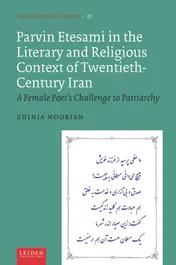
Parvin Etesami in the Literary and Religious Context of Twentieth-Century Iran
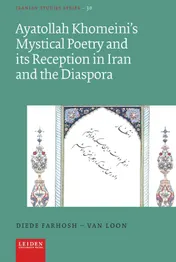
Ayatollah Khomeini’s Mystical Poetry and its Reception in Iran and the Diaspora
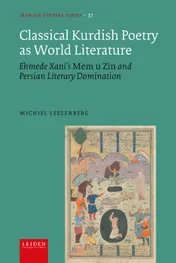
Classical Kurdish Poetry as World Literature
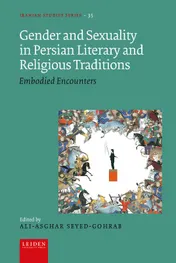
Gender and Sexuality in Persian Literary and Religious Traditions
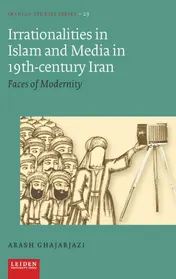
Irrationalities in Islam and Media in 19th-Century Iran
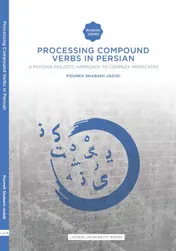
Processing compound verbs in Persian
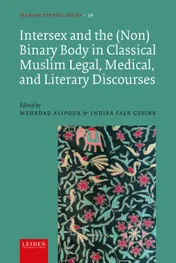
Intersex and the (Non)Binary Body in Classical Muslim Legal, Medical, and Literary Discourses
NSTC 501469146 · CB-relatie 6345163 · Laatste CB-bericht 7766 · Bijgewerkt 5 augustus 2026