
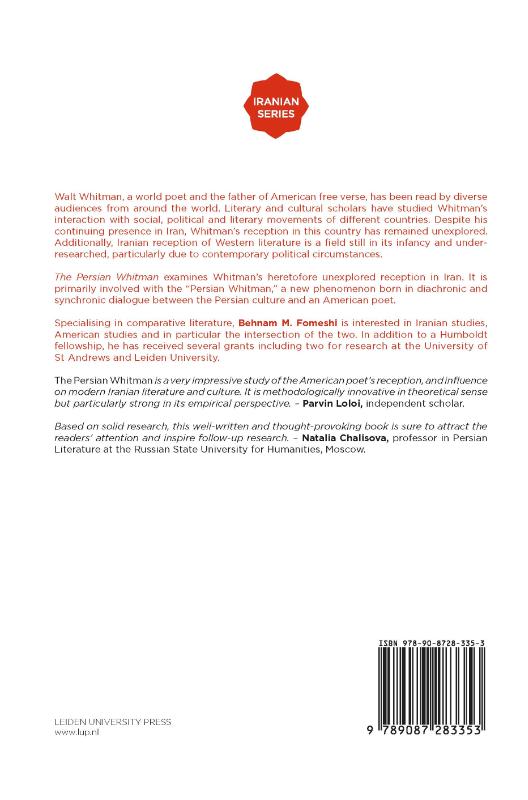
The Persian Whitman Beyond a Literary Reception
This book is primarily involved with the “Persian Whitman,” a new phenomenon born in diachronic and synchronic dialogue between the Persian culture and an American poet.Walt Whitman, a world poet and the father of American free verse, has been read by diverse audiences from around the world. Literary and cultural scholars have studied Whitman’s interaction with social, political and literary movements of different countries. Despite his continuing presence in Iran, Whitman’s reception in this country has remained unexplored. Additionally, Iranian reception of Western literature is a field still in its infancy and under-researched, particularly due to contemporary political circumstances.
The Persian Whitman examines Whitman’s heretofore unexplored reception in Iran. It is primarily involved with the “Persian Whitman,” a new phenomenon born in diachronic and synchronic dialogue between the Persian culture and an American poet.
Specialising in comparative literature, Behnam M. Fomeshi is interested in Iranian studies, American studies and in particular the intersection of the two. In addition to a Humboldt fellowship, he has received several grants including two for research at the University of St Andrews and Leiden University.
"The Persian Whitman is a very impressive study of the American poet’s reception, and influence on modern Iranian literature and culture. It is methodologically innovative in theoretical sense but particularly strong in its empirical perspective."
– Parvin Loloi, independent scholar.
"Based on solid research, this well-written and thought-provoking book is sure to attract the readers’ attention and inspire follow-up research."
– Natalia Chalisova, professor in Persian Literature at the Russian State University for Humanities, Moscow.
Walt Whitman, a world poet and the father of American free verse, has been read by diverse audiences from around the world. Literary and cultural scholars have studied Whitman’s interaction with social, political and literary movements of different countries. Despite his continuing presence in Iran, Whitman’s reception in this country has remained unexplored. Additionally, Iranian reception of Western literature is a field still in its infancy and under-researched, particularly due to contemporary political circumstances. The Persian Whitman examines Whitman’s heretofore unexplored reception in Iran. It is primarily involved with the “Persian Whitman,” a new phenomenon born in diachronic and synchronic dialogue between the Persian culture and an American poet.
The Persian Whitman examines Whitman’s heretofore unexplored reception in Iran. It is primarily involved with the “Persian Whitman,” a new phenomenon born in diachronic and synchronic dialogue between the Persian culture and an American poet.
Specialising in comparative literature, Behnam M. Fomeshi is interested in Iranian studies, American studies and in particular the intersection of the two. In addition to a Humboldt fellowship, he has received several grants including two for research at the University of St Andrews and Leiden University.
"The Persian Whitman is a very impressive study of the American poet’s reception, and influence on modern Iranian literature and culture. It is methodologically innovative in theoretical sense but particularly strong in its empirical perspective."
– Parvin Loloi, independent scholar.
"Based on solid research, this well-written and thought-provoking book is sure to attract the readers’ attention and inspire follow-up research."
– Natalia Chalisova, professor in Persian Literature at the Russian State University for Humanities, Moscow.
Walt Whitman, a world poet and the father of American free verse, has been read by diverse audiences from around the world. Literary and cultural scholars have studied Whitman’s interaction with social, political and literary movements of different countries. Despite his continuing presence in Iran, Whitman’s reception in this country has remained unexplored. Additionally, Iranian reception of Western literature is a field still in its infancy and under-researched, particularly due to contemporary political circumstances. The Persian Whitman examines Whitman’s heretofore unexplored reception in Iran. It is primarily involved with the “Persian Whitman,” a new phenomenon born in diachronic and synchronic dialogue between the Persian culture and an American poet.
In het kort
ISBN-13
9789087283353
Uitgever
Verschenen
15 november 2019
Imprint
Bibliografisch
Uitgave
UitgeverLeiden University Press
ImprintLeiden University Press
CB-relatie-id6345163
Verschenen15 november 2019
StatusOnbekend 00
BeschikbaarheidContact leverancier 99
Zonder prijsPrijs volgt
Vorm & inhoud
ProductvormPaperback BC
SamenstellingLos product
Classificatie
NUR (hoofd)Literatuurgeschiedenis buitenland 635
NUR (alle)635 Literatuurgeschiedenis buitenland
Trefwoordenpoetry, literature, iran, walt whitman
Medewerkers
Auteur A01Behnam M. Fomeshi
Herkomst
Werk-id (NSTC)500312469
MeldingBevestigd bij publicatie 03
Laatste CB-bericht7766
Bijgewerkt5 augustus 2026
Trefwoorden
Lijkt op dit boek
Losing Our Minds, Coming to Our Senses
Ayatollah Khomeini’s Mystical Poetry and its Reception in Iran and the Diaspora
A Fire of Lilies
Parvin Etesami in the Literary and Religious Context of Twentieth-Century Iran
Pearls of Meanings
Gender and Sexuality in Persian Literary and Religious Traditions
Crossing cultures
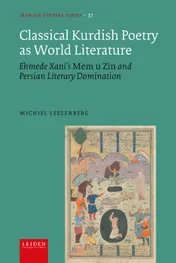
Classical Kurdish Poetry as World Literature
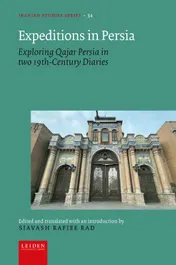
Expeditions in Persia
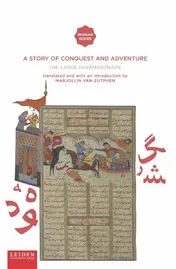
A Story of Conquest and Adventure
NSTC 500312469 · CB-relatie 6345163 · Laatste CB-bericht 7766 · Bijgewerkt 5 augustus 2026