
Privatisation of the Production of Public Space
Can the organisation of public space be handed over to private parties? Yes, according to Els Leclercq's conclusion in her doctoral research, but it has serious consequences in terms of what is and is not permitted in streets, squares, and parks. She calls for clear government regulation.
In the United States, it is commonplace for commercial parties to take over public space, but, in Europe, the idea is met with a feeling of distrust. Great Britain is somewhere in between. "Private parties help ensure that there are pleasant and clean areas where it's good for people to shop and live," says Leclercq. "But they also want an environment that's completely free of risk. This is at odds with our conventional ideas about public life."
Leclercq concludes that the privatisation of public space can work, but it also has its dangers. Dividing up public space into private 'islands' can threaten public life and citizens' rights. Leclercq: "The government needs to set boundaries in which private, public and community parties are permitted to operate and enforce any infringement of the rules. This is the only way of guaranteeing the rights of all citizens."
In the United States, it is commonplace for commercial parties to take over public space, but, in Europe, the idea is met with a feeling of distrust. Great Britain is somewhere in between. "Private parties help ensure that there are pleasant and clean areas where it's good for people to shop and live," says Leclercq. "But they also want an environment that's completely free of risk. This is at odds with our conventional ideas about public life."
Leclercq concludes that the privatisation of public space can work, but it also has its dangers. Dividing up public space into private 'islands' can threaten public life and citizens' rights. Leclercq: "The government needs to set boundaries in which private, public and community parties are permitted to operate and enforce any infringement of the rules. This is the only way of guaranteeing the rights of all citizens."
In het kort
ISBN-13
9789463660600
Uitgever
Verschenen
5 april 2018
Imprint
Bibliografisch
ISBN-139789463660600
Editie1
TaalEngels eng
Pagina’s380
GeïllustreerdJa
Uitgave
UitgeverTU Delft Open
ImprintTU Delft Open
CB-relatie-id6225289
Verschenen5 april 2018
StatusOnbekend 00
Vorm & inhoud
ProductvormPaperback BC
SamenstellingLos product
Classificatie
NUR (hoofd)Bouwkunde 955
NUR (alle)955 Bouwkunde
Medewerkers
Auteur A01Els Leclercq
Herkomst
Werk-id (NSTC)500381875
MeldingBevestigd bij publicatie 03
Bijgewerkt6 augustus 2026
Lijkt op dit boek
Entrepreneurial citizenship in urban regeneration
Cities for or against citizens?
Visibility, democratic public space and socially inclusive cities
Developing places for human capabilities
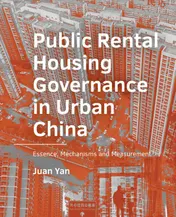
Public Rental Housing Governance in Urban China
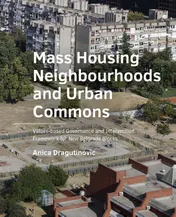
Mass Housing Neighbourhoods and Urban Commons
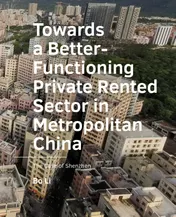
Towards a Better-Functioning Private Rented Sector in Metropolitan China
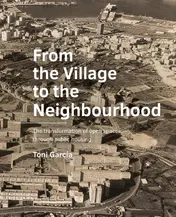
From the Village to the Neighbourhood
The Dutch urban block and the public domain
Planning strategies in an age of active citizenship
NSTC 500381875 · CB-relatie 6225289 · Bijgewerkt 6 augustus 2026