
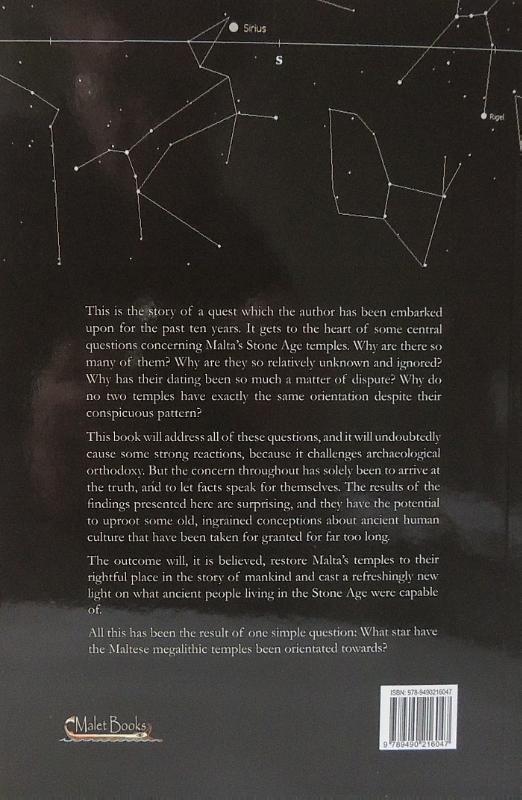
Sirius, the Star of the Maltese Temples
Paperback224 pagina’sEngelsLeverbaar
Ook verkrijgbaar als
CONTENTSAcknowledgements ixList of Plates xi Foreword xiii Introduction xix PART ONE Stone Walls and Stumbling Blocks 11What is a Maltese Temple? 32Early Man in Malta 173A Question Arises 414From Evans to Evans 435Ugolini – A Colloquy 616The Legacy of the X Club 79PART TWO The Temples and the Sky 97 Prelude 991.The Search is On 1032.Precession 1173.Sirius, the Star of the Temples 125PART THREE Malta Matters 157Colour Plates 165APPENDICES A. Prehistoric Time Periods 177B. le teorie di Ugolini 179C. Excerpts from Galaty e.a. 183BIBLIOGRAPHY 187INDEX 191GRAPH of the temples’ orientations to Sirius 197This book uncovers the relation between the Maltese temples and the star Sirius, with revolutionary implications for their antiquity.This is the story of a quest which the author has been embarked upon for the past ten years. It gets to the heart of some central questions concerning Malta’s Stone Age temples. Why are there so many of them? Why are they so relatively unknown and ignored? Why has their dating been so much a matter of dispute? Why do no two temples have exactly the same orientation despite their conspicuous pattern? This book will address all of these questions, and it will undoubtedly cause some strong reactions, because it challenges archaeological orthodoxy. But the concern throughout has solely been to arrive at the truth, and to let facts speak for themselves. The results of the findings presented here are surprising, and they have the potential to uproot some old, ingrained conceptions about ancient human culture that have been taken for granted for far too long. The outcome will, it is believed, restore Malta’s temples to their rightful place in the story of mankind and cast a refreshingly new light on what ancient people living in the Stone Age were capable of. All this has been the result of one simple question: What star have the Maltese megalithic temples been orientated towards?It had long been thought that the Mesolithic, which is the period following on the last Ice Age, was a cultural void. This may have been true to a certain extent with regards to pottery, the flagship of archaeological sequence dating. Conventional thought places its invention in the Near East in around 6000 BC. Consequently, little was known about the period before that date. The discovery of the orientation of the Maltese temples to Sirius results in a logical progression in the temple building sequence. One might expect the smallest buildings to be the oldest and the most dilapidated, and the largest to be the youngest. Their astronomical dating shows this to be broadly true. Moreover, their orientation to Sirius explains the slight shift in their axes, caused by the movement of the stars called the precession of the equinoxes, with almost mathematical precision. The astronomical dating of the temples presented in this book is on a par with other megalithic sites at the same latitude of Malta, going back to the Mesolithic period.The implications are far reaching, not just for Malta but for a much wider sphere. Once freeing ourselves from the dictates of the old nineteenth century philosophies about our past, new vistas open before our eyes of a legacy we never dreamed existed. The ancient megalithic ruins that are found all over the world, but foremost in Malta, begin to speak another language, not that of primitive cave-dwellers but of primeval astronomers.
Recensies
'De Europese cultuur begon ook op Malta' Joep Engels– 21:25, 5 januari 2018 Maltezen bouwden hun tempels met uitzicht op de helderste ster: Sirius. De vele tempels op Malta zijn ouder dan tot nu toe werd gedacht. En ze werden gebouwd ter ere van de helderste ster Sirius, beweert archeologe Lenie Reedijk in haar boek. Kreta is niet dé bakermat van de Europese cultuur. Lang voordat de eerste mensen zich op het Griekse eiland vestigden, bouwden duizend kilometer westwaarts de inwoners van Malta al hun tempels. De Europese beschaving heeft zich niet langs één lijn ontwikkeld. Tot die conclusie komt Lenie Ree¬dijk in haar boek ‘Sirius, the Star of the Maltese Temples’ dat komende week verschijnt. Daarin betoogt ze dat de vele tempels op het eiland niet zijn opgericht ter ere van de godin van de vruchtbaarheid, zoals de officiële theorie luidt, maar dat ze gericht waren op de punten aan de horizon waar Sirius, de helderste ster, opkwam of onderging. Omdat die punten, door de beweging van de aardas, langzaam naar het oosten, respectievelijk het westen opschoven, moesten de Maltezen telkens een nieuwe tempel bouwen met een iets andere oriëntatie. Uit al die verschillende oriëntaties leidt Reedijk af dat de Maltezen daar in het tiende millennium voor Christus mee begonnen. Dat is ruim vierduizend jaar eerder dan het tijdstip waarop volgens de officiële geschiedenis de eerste mensen op het eiland kwamen. Dat zouden boeren zijn geweest die vanuit het nabijgelegen Sicilië de oversteek hebben gewaagd. Saillant detail: als Reedijk gelijk heeft, konden die eerstelingen naar Malta lopen. Zo laag stond de zee destijds. Het is niet waarschijnlijk dat Ree¬dijk dat gelijk ook snel krijgt. In het verleden hebben wetenschappers vaker bewijzen aangedragen dat Malta een oudere geschiedenis heeft. Maar die bewijzen en inzichten hebben de leerboeken nooit gehaald. Het Archeologisch Museum op Malta vermeldt ze niet, net zo min als de Wikipedia of Unesco, dat de tempels als Werelderfgoed heeft erkend. Britse kolonie Dat komt volgens Reedijk door de Britse overheersing. Malta was tot 1964 een Britse kolonie en toen was de archeologische geschiedenis van het eiland al in beton gegoten. Dat was het werk van de befaamde Britse archeoloog Arthur Evans, de man die begin twintigste eeuw het paleis van Knossos op Kreta opgroef en daarmee het bewijs leverde voor de Minoïsche beschaving. Diezelfde Evans was ook op Malta actief geweest en had geconcludeerd dat de geschiedenis van het eiland niet eerder dan in 5000 voor Christus begon. Een paar duizend jaar later dan het moment waarop de eerste mensen op Kreta aan ‘zijn’ Knossos begonnen. De negentiende-eeuwse Britse school waar Arthur Evans uit voortkwam, zag de ontwikkeling van de Europese cultuur als één rechte lijn, beginnend in de Vruchtbare Sikkel waar de landbouw ontstond, en dan via Kreta Europa in. Reedijk: “Daar culmineerde het in een cultuur die rust op een hiërarchie van bezit en macht. Een cultuur van koningen en priesters. Dit boek laat zien dat een ander denkkader mogelijk is. Dat er meerdere culturen zijn ontstaan. Een cultuur ook die niet gestoeld is op landbouw, maar op een fascinatie voor de sterrenhemel, voor onze oorsprong. Ik ben benieuwd, het is lastig voor ons om dat idee van de bakermat te verlaten. Het is ons met de paplepel ingegoten. Als mijn idee over Malta wordt erkend, is het hek van de dam.” Experts reageren verdeeld op het verhaal. Bleda Düring, archeoloog van de Universiteit Leiden, kan de interpretatie niet serieus nemen. “De tempels op Malta zijn goed onderzocht. Op basis van koolstofdatering worden ze niet ouder geschat dan 5000 vóór Christus. Een datering rond 10.000 voor Christus is onmogelijk.” De Groningse hoogleraar pre- en protohistorie Daan Raemaekers heeft het boek gelezen en vindt het idee dat de tempels naar Sirius verwijzen aantrekkelijk. “Die hypothese moet nog wel worden getoetst, bijvoorbeeld door tempels direct te dateren, of door te kijken of hun stilistische ontwikkeling te rijmen is met hun voorgestelde ouderdom. Maar dat ze zo oud zouden zijn, baart me geen zorgen.” Lees in de papieren Trouw meer over de tempels op Malta
Joep Engels — Trouw — 5 januari 2018
Ster Sirius helpt Maltese tempels dateren, ontdekt Eibergse Lenie Reedijk EIBERGEN - Hoe fascinatie op Malta voor de ster Sirius duizenden jaren later helpt een cultuur te dateren. De Eibergse Lenie Reedijk schreef een boek over de betekenis van Maltese sterrentempels. Peter Zandee 14-02-18, 12:00 Hoe de moderne geschiedenis onze inzichten kleurt. Ook dat is een van de thema's in het werk van de Eibergse onderzoekster. Lenie Reedijk (68) bekijkt de wereld anders sinds ze in de archeo-astronomie is gedoken. Er blijft nog veel te leren en te ontdekken over, met dank aan de wetenschap. In haar boek 'Sirius - the Star of the Maltese Temples' legt ze na 27 jaar verbazing én speurwerk nieuwe inzichten vast. Vertaler Reedijk studeerde ooit Engels, daarna Duitse taal en literatuur. Ze werkte als (rechtbank)tolk/vertaler Duits. Het vertalen van een boek over Malta in 1989 bracht haar een jaar later zelf naar het mediterrane eiland. Sindsdien is ze gegrepen door de Maltese cultuur, en dan speciaal de raadselachtige 'zonnetempels' op Malta en buureiland Gozo. "Er is één echte zonnetempel, gericht op de equinox: het moment dat de zon loodrecht boven de evenaar staat. Maar Malta ligt zo zuidelijk dat de opkomende en ondergaande zon niet in zo'n tempel met staande stenen te vangen valt", zegt Reedijk. Veel tempels Dat Malta en Gozo 'vol' staan met prehistorische tempelachtige stenen constructies is daarom nogal raadselachtig. "Malta en Gozo samen hebben het oppervlak van drie keer Texel. Je kunt je dan ook afvragen waarom de oudste bewoners ooit zo aan het bouwen bleven. De tempels zijn er niet allemaal meer. Zestig jaar geleden waren er nog 66 sites. Daarvan kun je er nu nog 34 terugvinden. Negentien ervan heb ik voor mijn boek onder de loep genomen." Computermodellen UT-wiskundige Rob van der Weg hielp Reedijk op weg met computermodellen van de sterrenhemel. Sirius, de helderste ster aan de nachtelijke sterrenhemel, springt er daarbij uit als constante factor aan het zwerk. Peter Barthel, hoogleraar astronomie in Groningen, voorzag Reedijk van de beweging van Sirius, vanuit het perspectief van Malta. Die beweging komt doordat de draaias van de aarde niet 'vast' is, maar onze planeet draait als een tol. Samen gaf dat de Eibergse een verklaring voor het 'steeds' bouwen van nieuwe sterrentempels, nadat Sirius uit beeld raakte. Reedijks ontdekkingen gaan echter verder dan die over de fascinatie voor de ster Sirius, gezien vanaf Malta. De algemeen aanvaarde beschrijving van de oudste menselijke geschiedenis klopt niet, qua volgorde. De tempels op Malta dateren van vóór de oude Egyptenaren aan pyramides begonnen en op Kreta het paleis van Knossos werd gebouwd, concludeert Reedijk. Ugolini Archeoloog Luigi Maria Ugolini kwam in de jaren dertig van de vorige eeuw al tot datzelfde inzicht, maar hij werd door complimenten van de fascistische dictator Mussolini - en ook wel vanwege politieke steun aan het fascisme - als 'foute wetenschapper' weggezet. Aan zijn archeologische inzichten mankeerde echter niet zoveel. "Tijdsbepaling door middel van radioactiviteit van koolstof -14 schiet te kort voor stenen", zegt Lenie Reedijk. "Maar juist door die astronomische modellen valt nu veel preciezer vast te stellen wanneer de tempels zijn gebouwd." Dat brengt de onderzoekster tot de conclusie dat de oudste Siriustempel uit 9150 voor Christus stamt. "Dat is 4000 jaar eerder dan de Britten wilden geloven. Het idee van hogere beschaving vanuit Kreta cq Griekenland, daarna de Romeinen, sloot beter aan bij hun 19e-eeuwse wereldbeeld." Nieuw licht Giovanni Bonello, oud-rechter van het Europees Hof voor de Mensenrechten en zelf Maltees, noemt Reedijks werk revolutionair en controverseel maar tegelijk bewonderenswaardig degelijk onderbouwd. "Ook ik ben geen archeoloog, maar dit werk werpt een nieuw licht op de oudste Europese geschiedenis en volgorde van menselijke ontwikkeling." Of Reedijk Eibergen nog niet permanent inruilt voor Malta? "Nee hoor! Ik heb er het laatste jaar zes maanden gezeten, maar ga gewoon weer terug naar het ritme van heerlijk twee maanden in het voorjaar en twee maanden in de herfst." Meer info over het boek: www.maletbooks.com
Peter Zandee — Tubantia — 14 februari 2018
In het kort
ISBN-13
9789490216047
Uitgever
Verschenen
7 maart 2018
Imprint
Druk
1e druk
Bibliografisch
ISBN-139789490216047
Editie1
Druk1e druk
TaalEngels eng
Pagina’s224
GeïllustreerdJa
Uitgave
UitgeverMaletBooks
ImprintMalet Books
CB-relatie-id7207208
Verschenen7 maart 2018
StatusLeverbaar 04
BeschikbaarheidBeschikbaar 20
Adviesprijs (incl. btw)€ 25,99
Vorm & inhoud
ProductvormPaperback BC
SamenstellingLos product
Classificatie
Medewerkers
Auteur A01Lenie Reedijk
Herkomst
Werk-id (NSTC)500123829
MeldingBevestigd bij publicatie 03
Bijgewerkt6 augustus 2026
Trefwoorden
Lijkt op dit boek
Alternative Egyptology
Discovering Malta
The Mighty Tree
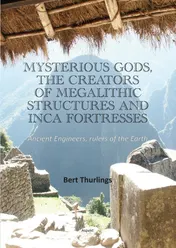
Mysterious Gods, the creators of megalithic structures and Inca Fortresses
Myths of the Stars
The Greatest Archaeological Mysteries
The History of the Hunebedden
The early Neolithic of Northern Europe
Mysteries from the Distant Past
The Stories Behind the Constellations
NSTC 500123829 · CB-relatie 7207208 · Bijgewerkt 6 augustus 2026