
The Elemental Analysis of Glass Beads Technology, Chronology and Exchange
Heather Walder red.
Ook verkrijgbaar als
List of IllustrationsList of TablesForewordChapter 1Contextualizing this volume in the field of glass bead studiesLaure Dussubieux and Heather WalderChapter 2Glass beads and human pastsAlison Carter, Elliot H. Blair, Carla Klehm and Lee M. PanichPart I: European Trade BeadsChapter 3Characterizing glass recipes for distinctive polychrome glass bead types in Ontario, CanadaAlicia Hawkins and Heather WalderChapter 4Simple blue (IIa40) beads from 17th century Mission Santa Catalina de Guale: Dating, origins, and elemental compositionElliot H. Blair and Laure DussubieuxChapter 5Glass trade bead analysis at Upper Hampton Farm (40RH41): A case study for 17th and 18th century Non-Cherokee habitation in East Tennessee ValleyJessica Dalton-Carriger and Elliot H. BlairChapter 6Compositional analysis of compound drawn white glass beads from colonial California: Implications for chronology and dispersalLee M. Panich, Laure Dussubieux, Tsim D. Schneider, Christopher Canzonieri, Irenne Zwierlein, Christopher Zimmer and Michelle ZimmerChapter 7Glass beads and evidence for early “pre-contact” trade in Northwestern Alaska 137Thomas R. Fenn, Laure Dussubieux, Heather Walder and Douglas D. AndersonPart II: Glass Beads in South and Southeast AsiaChapter 8The exchange of beads in Central Thailand in the protohistoric period: Glass objects from Phromthin TaiAlison Carter, Laure Dussubieux, Thomas R. Fenn, Thanik Lertcharnrit and T.O. PryceChapter 9Shifting patterns of glass bead cargo of 15th – 17th century Philippines shipwrecksJennifer Craig and Laure DussubieuxChapter 10Sources of glass beads from the High Himalayas: 1200 BCE-CE 650Mark Aldenderfer and Laure DussubieuxChapter 11Inland from the sea: Rethinking the value of mineral soda alumina drawn glass beads from medieval North IndiaMudit Trivedi and Laure DussubieuxPart III: Glass Beads in Africa and Western Indian OceanChapter 12Beads from the lowlands of Northwestern EthiopiaLindsey Trombetta, Laure Dussubieux, Agazi Negash, Daniel Dalmas, Metasebia Endalamaw, Mulugeta Feseha, Lawrence Todd and John KappelmanChapter 13Inland glass beads in Northeast Tanzania, 8th-17th centuries CEJonathan R. Walz and Laure DussubieuxChapter 14Glass beads at Unguja Ukuu in the late 1st millennium CE: Results of the 2018 excavation in ZanzibarAkshay Sarathi, Jonathan R. Walz and Laure DussubieuxChapter 15Chemical analysis of precolonial Indian Ocean glass beads found in the southern African interior: linking global objects to local and regional changeCarla Klehm and Laure DussubieuxChapter 16Morphology and elemental composition: provenancing glass beads from 12th – 13th century Mayotte 323Marilee Wood, Laure Dussubieux, Mudit Trivedi and Martial PaulyPart IV: Glass Beads in the Middle-East Chapter 17Elemental composition of glass beads from the eastern Mediterranean region: Chronology and provenance of material from Tel Anafa, IsraelKatherine A. Larson and Laure DussubieuxChapter 18South Asian beads at the site of Kish, IraqLaure DussubieuxChapter 19Technology, chronology, and exchange examined through glass beadsHeather Walder and Laure DussubieuxAppendixSupplementary MaterialsAncient glass beads as a window to the ancient worldGlass beads, both beautiful and portable, have been produced and traded globally for thousands of years. Modern archaeologists study these artifacts through sophisticated methods that analyze the glass composition, a process which can be utilized to trace bead usage through time and across regions. This book publishes open-access compositional data obtained from laser ablation – inductively coupled plasma – mass spectrometry, from a single analytical laboratory, providing a uniquely comparative data set. The geographic range includes studies of beads produced in Europe and traded widely across North America and beads from South and Southeast Asia traded around the Indian Ocean and beyond. The contributors provide new insight on the timing of interregional interactions, technologies of bead production and patterns of trade and exchange, using glass beads as a window to the past.This volume will be a key reference for glass researchers, archaeologists, and any scholars interested in material culture and exchange; it provides a wide range of case studies in the investigation and interpretation of glass bead composition, production and exchange since ancient times.Glass beads, both beautiful and portable, have been produced and traded globally for thousands of years. Modern archaeologists study these artifacts through sophisticated methods that analyze the glass composition, a process which can be utilized to trace bead usage through time and across regions. This book publishes open-access compositional data obtained from laser ablation – inductively coupled plasma – mass spectrometry, from a single analytical laboratory, providing a uniquely comparative data set. The geographic range includes studies of beads produced in Europe and traded widely across North America and beads from South and Southeast Asia traded around the Indian Ocean and beyond. The contributors provide new insight on the timing of interregional interactions, technologies of bead production and patterns of trade and exchange, using glass beads as a window to the past.This volume will be a key reference for glass researchers, archaeologists, and any scholars interested in material culture and exchange; it provides a wide range of case studies in the investigation and interpretation of glass bead composition, production and exchange since ancient times.
In het kort
ISBN-13
9789462703384
Uitgever
Verschenen
14 november 2022
Imprint
Bibliografisch
ISBN-139789462703384
SerieStudies in Archaeological Sciences — deel 8
Editie1
TaalEngels eng
Pagina’s392
GeïllustreerdJa
Uitgave
UitgeverUniversitaire Pers Leuven
ImprintLeuven University Press
CB-relatie-id8004161
Verschenen14 november 2022
StatusAangekondigd 02
BeschikbaarheidContact leverancier 99
Adviesprijs (incl. btw)€ 80,00
Vorm & inhoud
ProductvormHardback BB
SamenstellingLos product
Classificatie
NUR (hoofd)Archeologie 682
NUR (alle)682 Archeologie
Trefwoordenhistory · colonialism · north america · glass beads · la-icp-ms · trade and exchange · interaction networks · indian ocean · archaeology
Medewerkers
Redacteur B01Laure Dussubieux
Redacteur B01Heather Walder
Herkomst
Werk-id (NSTC)501519801
MeldingBevestigd bij publicatie 03
Bijgewerkt6 augustus 2026
Trefwoorden
Lijkt op dit boek

Glass making in the greco-roman world

Islamic Glass in the Making

Handheld XRF for art and archaeology
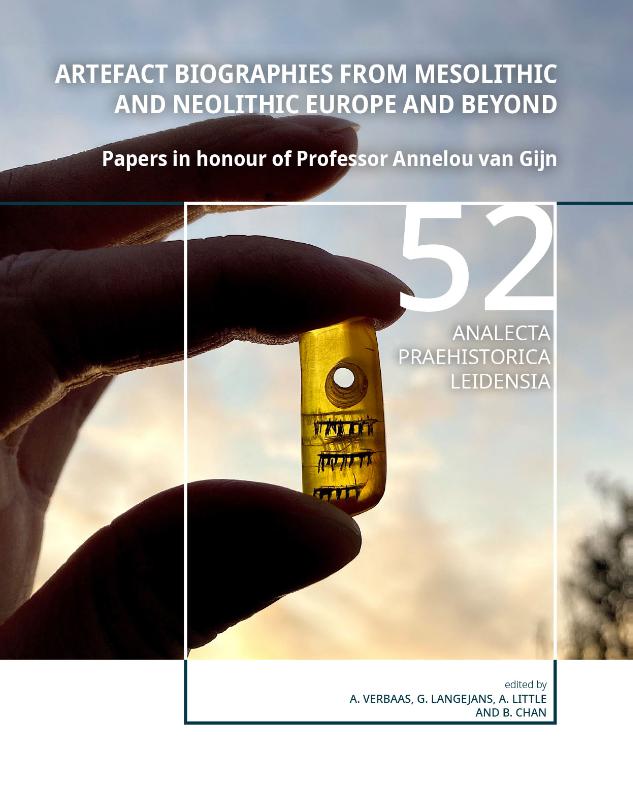
Artefact Biographies from Mesolithic and Neolithic Europe and Beyond
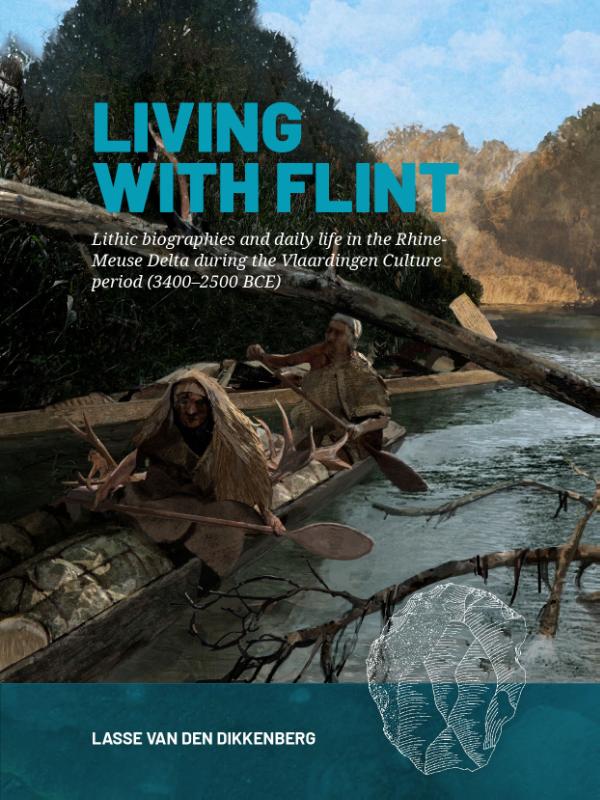
Living with Flint
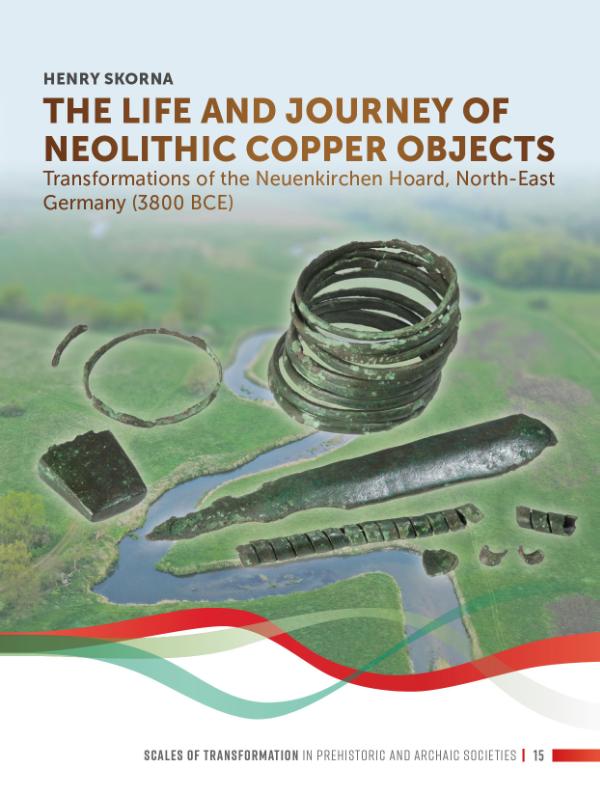
The Life and Journey of Neolithic Copper Objects
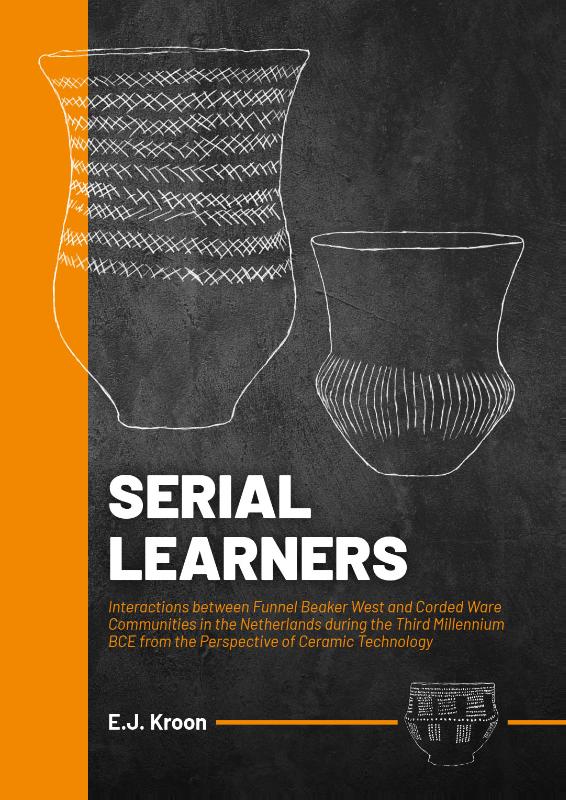
Serial Learners
Of Goblins and Gods
Technological Styles in the Jebel Gharbi Lithic Industries of the Late Pleistocene (North-Western Libya)
Silver beyond Empire
NSTC 501519801 · CB-relatie 8004161 · Bijgewerkt 6 augustus 2026