
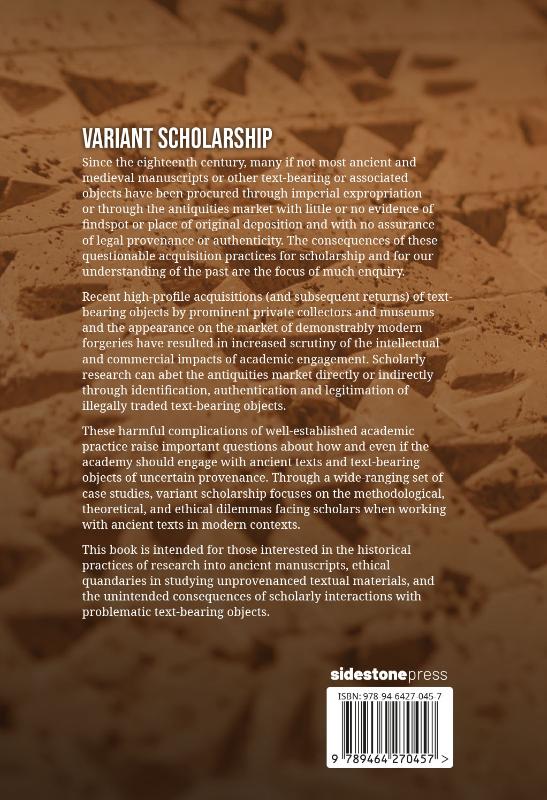
Variant scholarship Ancient texts in modern contexts
Hardback240 pagina’sEngels
Variant scholarship: ancient texts in modern contextsNeil Brodie, Morag M. Kersel, and Josephine Munch RasmussenDisciplinary pitfalls: how good philology can mask bad provenanceNils H. KorsvollThe provenance of the Dead Sea Scrolls: five examplesÅrstein JustnesPerforming papyrology: cartonnage, discovery and provenanceRoberta MazzaThe Ilves Collection: a Finnish manuscript collector and the academic facilitatorsRick BonnieNoxious scholarship? The study and publication of First Sealand Dynasty cuneiform tabletsNeil BrodieConsuming PalmyraMichael PressEthical guidelines for publishing ancient textsPatty GerstenblithThe trouble with textsMorag M. KerselThe value of forgeries for historical researchChrista Wirth and Josephine M. RasmussenSomeone else’s manuscripts: the ethics of textual scholarshipLiv Ingeborg LiedBetween representation and the real: the forgeries of Constantine SimonidesRachel Yuen-CollingridgeProvenance: genocide. The transfer of Armenian sacred objects to art collectionsHeghnar Zeitlian WatenpaughDigitizing manuscripts and the politics of extractionRaha RafiiSince the eighteenth century, many if not most ancient and medieval manuscripts or other text-bearing or associated objects have been procured through imperial expropriation or through the antiquities market with little or no evidence of findspot or place of original deposition and with no assurance of legal provenance or authenticity. The consequences of these questionable acquisition practices for scholarship and for our understanding of the past are the focus of much enquiry. Recent high-profile acquisitions (and subsequent returns) of text-bearing objects by prominent private collectors and museums and the appearance on the market of demonstrably modern forgeries have resulted in increased scrutiny of the intellectual and commercial impacts of academic engagement. Scholarly research can abet the antiquities market directly or indirectly through identification, authentication and legitimation of illegally traded text-bearing objects. These harmful complications of well-established academic practice raise important questions about how and even if the academy should engage with ancient texts and text-bearing objects of uncertain provenance. Through a wide-ranging set of case studies, variant scholarship focuses on the methodological, theoretical, and ethical dilemmas facing scholars when working with ancient texts in modern contexts. This book is intended for those interested in the historical practices of research into ancient manuscripts, ethical quandaries in studying unprovenanced textual materials, and the unintended consequences of scholarly interactions with problematic text-bearing objects.
In het kort
ISBN-13
9789464270464
Uitgever
Verschenen
19 april 2023
Imprint
Bibliografisch
ISBN-139789464270464
Editie1
TaalEngels eng
Pagina’s240
GeïllustreerdJa
Uitgave
UitgeverSidestone Press
ImprintSidestone Press Academics
CB-relatie-id9180064
Verschenen19 april 2023
StatusOnbekend 00
Vorm & inhoud
ProductvormHardback BB
SamenstellingLos product
Classificatie
NUR (hoofd)Literatuurwetenschap 617
NUR (alle)617 Literatuurwetenschap
Medewerkers
Herkomst
Werk-id (NSTC)501517851
MeldingBevestigd bij publicatie 03
Bijgewerkt6 augustus 2026
Lijkt op dit boek
Between variability and singularity
Classical Controversies
Cross-border claims to cultural objects
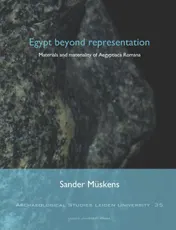
Egypt beyond representation
Neo-Latin commentaries and the management of knowledge in the late middle ages and the Early modern period (1400-1700)
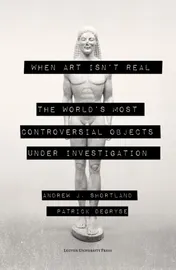
When Art Isn’t Real
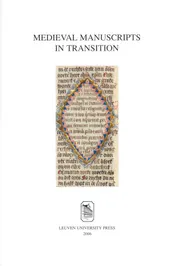
Medieval manuscripts in transition
Digital Archaeology
Fields, Sherds and Scholars
Neo-latin philology: old tradition, new approaches
NSTC 501517851 · CB-relatie 9180064 · Bijgewerkt 6 augustus 2026