
Vol 9/2 The 'bread & butter'of architecture: investigating everyday practices
Ricardo Agarez red.
Paperback184 pagina’sEngels
The canon of western contemporary architecture has overlooked everyday, 'salaried' architecture - overwhelming as it may have turned out to be in our built environment - praising instead the solo designer and his ground-breaking work. Since World War I, the social role of the architect (in terms both of his or her place in social hierarchies and of his or her contribution for social betterment) seems to have been primarily tested, and largely consolidated, in 'departmental architecture'. Yet the work of county, city and ministerial architects, heads of department in welfare commissions, guilds and cooperatives, is seldom discussed as such: its specificity as the product of institutional initiatives and agents, as the outcome of negotiation between individual and collective agendas, remains little explored, even when authors celebrate the many public-designed projects that are part of the canon. On the other hand, commercially driven architecture and the business side of the profession are still anathema for many, despite being essential factors in the discipline's position in society.Footprint 17 addresses the architectural production of those who played their part in inconspicuous offices and unexciting departments, and that contribute insights to discuss the place of the architecture of 'bread & butter' in architectural history studies and in the politics of architectural design and theory. This issue of Footprint explores intellectual frameworks, didactic practices, research methods and analytical instruments that project the disciplinary focus further than the work of the 'prime mover', discussing the relevance of 'salaried' architects and institutional agency in shaping the spatial and social practices of the everyday. Footprint is an academic journal dedicated to publishing architecture and urban research. Architecture and urbanism are the points of departure and the core interests of the journal. From this perspective, the journal encourages the study of architecture and the urban environment as a means of comprehending culture and society, and as a tool for relating them to shifting ideological doctrines and philosophical ideas. The journal promotes the creation and development - or revision - of conceptual frameworks and methods of inquiry. It is engaged in creating a body of critical and reflexive texts with a breadth and depth of thought which would enrich the architecture discipline and produce new knowledge, conceptual methodologies and original understandings.
In het kort
ISBN-13
9789490322618
Uitgever
Verschenen
30 maart 2016
Serie
Footprint 17
Imprint
Bibliografisch
ISBN-139789490322618
SerieFootprint 17
Editie1
TaalEngels eng
Pagina’s184
GeïllustreerdJa
Uitgave
UitgeverJap Sam Books
ImprintJap Sam Books
CB-relatie-id7014444
Verschenen30 maart 2016
StatusOnbekend 00
Vorm & inhoud
ProductvormPaperback BC
SamenstellingLos product
Classificatie
NUR (hoofd)Bouwkunst, architectuur 648
NUR (alle)648 Bouwkunst, architectuur
Medewerkers
Redacteur B01Nelson Mota
Redacteur B01Ricardo Agarez
Herkomst
Werk-id (NSTC)500253202
MeldingBevestigd bij publicatie 03
Bijgewerkt6 augustus 2026
Lijkt op dit boek
Footprint 37 Architectural Theories, their Performance, Quality and Effect: An Appraisal
spring/summer 2017
Vol. 10 Spaces of conflict
Footprint 24 The Architecture of Housing after the Neoliberal Turn
Rethinking the Architecture of Dwelling the Digital Age
The Architecture of Populism
The Hybrid Practitioner
Footprint 26. The Architecture Competition as ‘Contact Zone
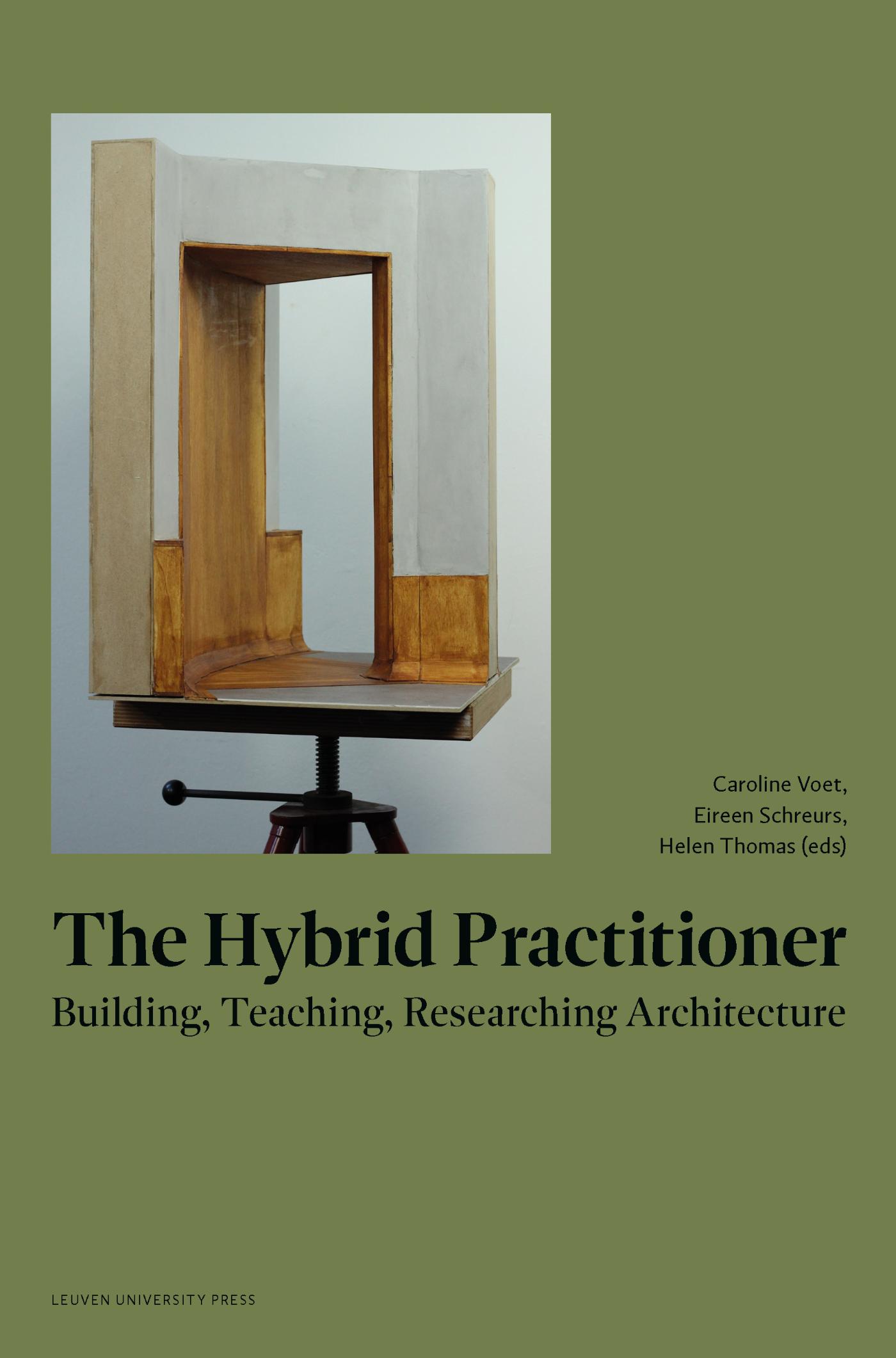
The Hybrid Practitioner
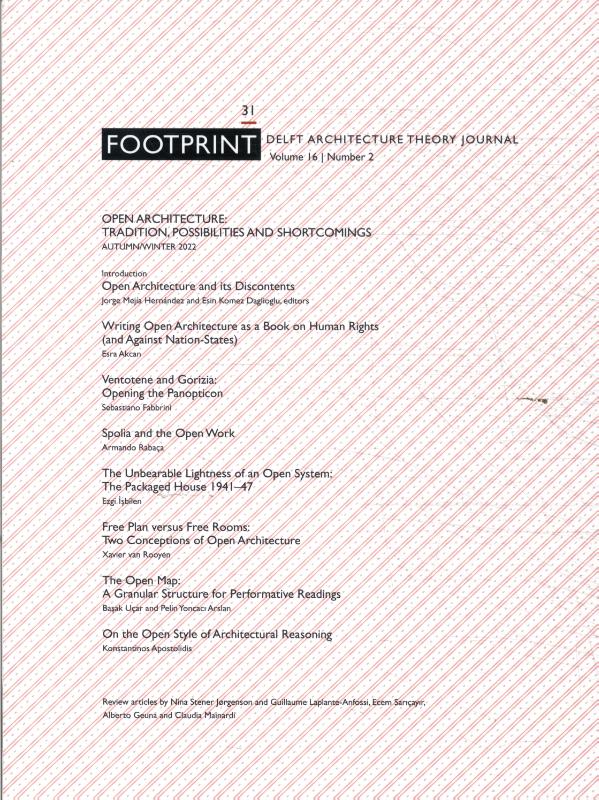
Footprint 31
NSTC 500253202 · CB-relatie 7014444 · Bijgewerkt 6 augustus 2026