
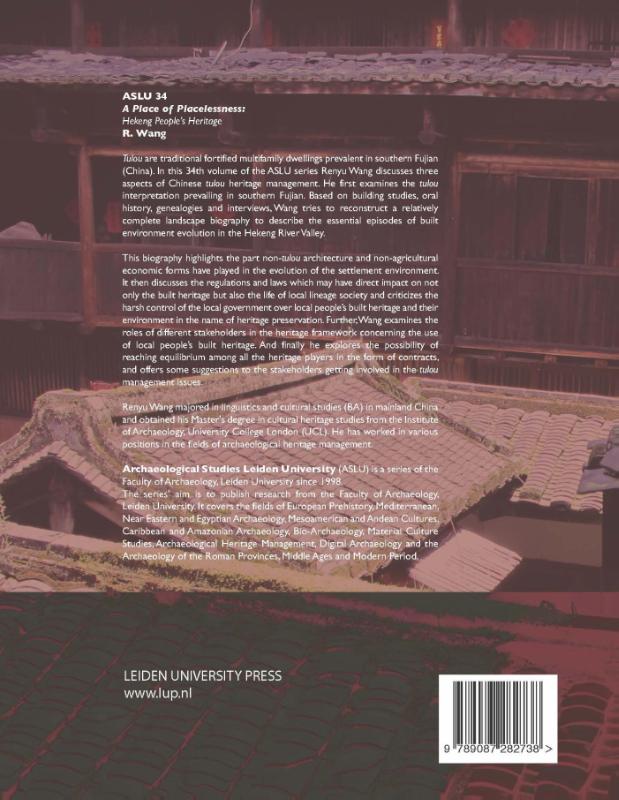
A place of placelessness hekeng people's Heritage
Tulou are traditional fortified multifamily dwellings prevalent in southern Fujian. In this 34st volume of the ASLU series Renyu Wang discusses three aspects of Chinese tulou heritage management. He first examines the tulou interpretation prevailing in southern Fujian. Based on building studies, oral history, genealogies and interviews, Wang tries to reconstruct a relatively complete landscape biography to describe the essential episodes of built environment evolution in the Hekeng River Valley.
This biography highlights the part non-tulou architecture and non-agricultural economic forms have played in the evolution of the settlement environment. It then discusses the regulations and laws which may have direct impact on not only the built heritage but also the life of local lineage society and criticizes the harsh control of the local government over local people's built heritage and their environment in the name of heritage preservation. Further, Wang examines the roles of different stakeholders in the heritage framework concerning the use of local people's built heritage. And finally he explores the possibility of reaching equilibrium among all the heritage players in the form of contracts, and offers some suggestions to the stakeholders getting involved in the tulou management issues.
Renyu Wang majored in linguistics and cultural studies (BA) in mainland China and obtained his Master's degree in cultural heritage studies from the Institute of Archaeology, University College London (UCL). He has worked in various positions in the fields of archaeological heritage management.
This biography highlights the part non-tulou architecture and non-agricultural economic forms have played in the evolution of the settlement environment. It then discusses the regulations and laws which may have direct impact on not only the built heritage but also the life of local lineage society and criticizes the harsh control of the local government over local people's built heritage and their environment in the name of heritage preservation. Further, Wang examines the roles of different stakeholders in the heritage framework concerning the use of local people's built heritage. And finally he explores the possibility of reaching equilibrium among all the heritage players in the form of contracts, and offers some suggestions to the stakeholders getting involved in the tulou management issues.
Renyu Wang majored in linguistics and cultural studies (BA) in mainland China and obtained his Master's degree in cultural heritage studies from the Institute of Archaeology, University College London (UCL). He has worked in various positions in the fields of archaeological heritage management.
In het kort
ISBN-13
9789087282738
Uitgever
Verschenen
17 februari 2017
Imprint
Bibliografisch
ISBN-139789087282738
SerieArchaeological studies Leiden University (ASLU) — deel 34
Editie1
TaalEngels eng
Pagina’s184
GeïllustreerdJa
Uitgave
UitgeverLeiden University Press
ImprintLeiden University Press
CB-relatie-id6345163
Verschenen17 februari 2017
StatusOnbekend 00
BeschikbaarheidContact leverancier 99
Zonder prijsPrijs volgt
Vorm & inhoud
ProductvormPaperback BC
SamenstellingLos product
Classificatie
NUR (hoofd)Archeologie 682
NUR (alle)682 Archeologie
Medewerkers
Auteur A01Renyu Wang
Herkomst
Werk-id (NSTC)500392284
MeldingBevestigd bij publicatie 03
Laatste CB-bericht7766
Bijgewerkt5 augustus 2026
Lijkt op dit boek
Troubled Waters
Changes in the Cultural Landscape and their Impacts on Heritage Management
The Management of the Matobo Hills in Zimbabwe
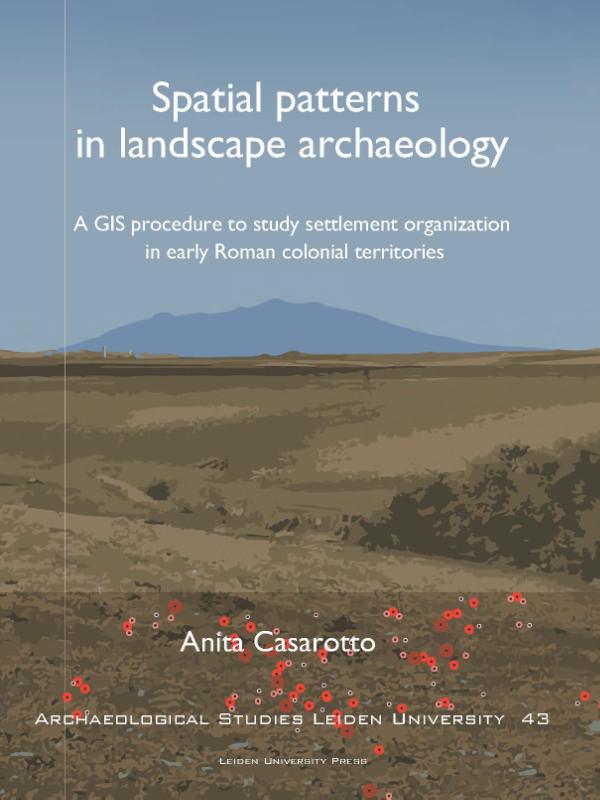
Spatial Patterns in Landscape Archaeology

A Landscape Approach to the Conservation and Development of Cultural Landscapes

Mapping landscapes in transformation
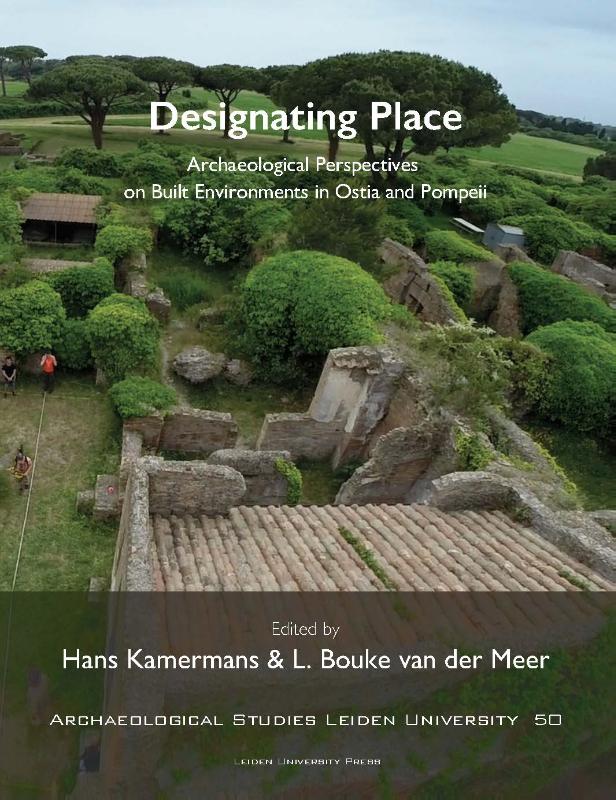
Designating Place
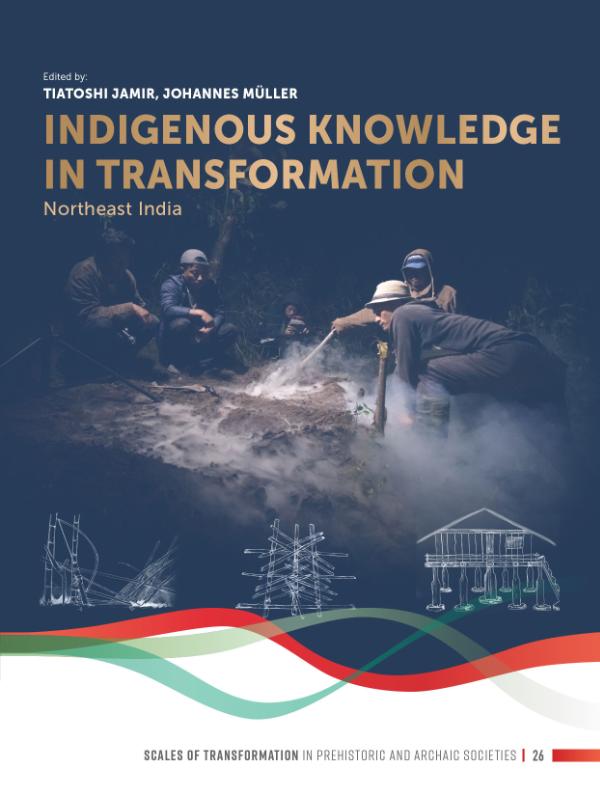
Indigenous Knowledge in Transformation
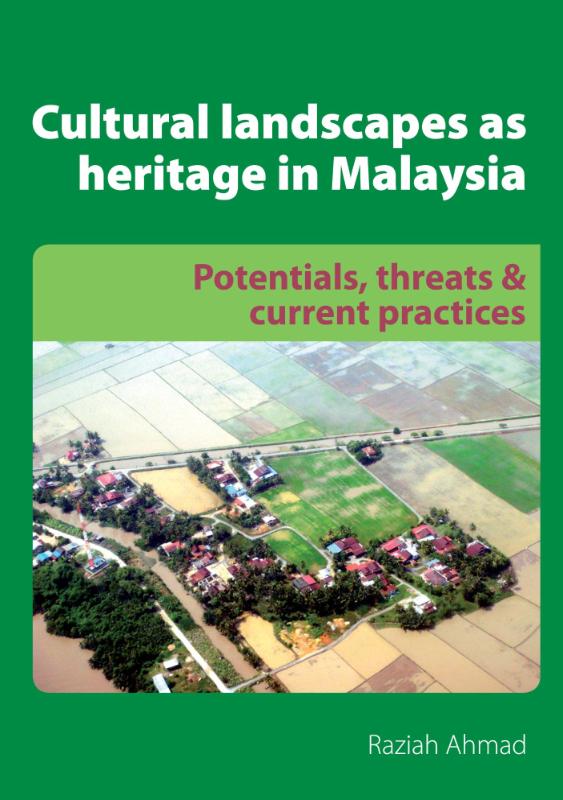
Cultural landscapes as heritage in malaysia
Reconstructing the Settled Landscape of the Cyclades
NSTC 500392284 · CB-relatie 6345163 · Laatste CB-bericht 7766 · Bijgewerkt 5 augustus 2026