
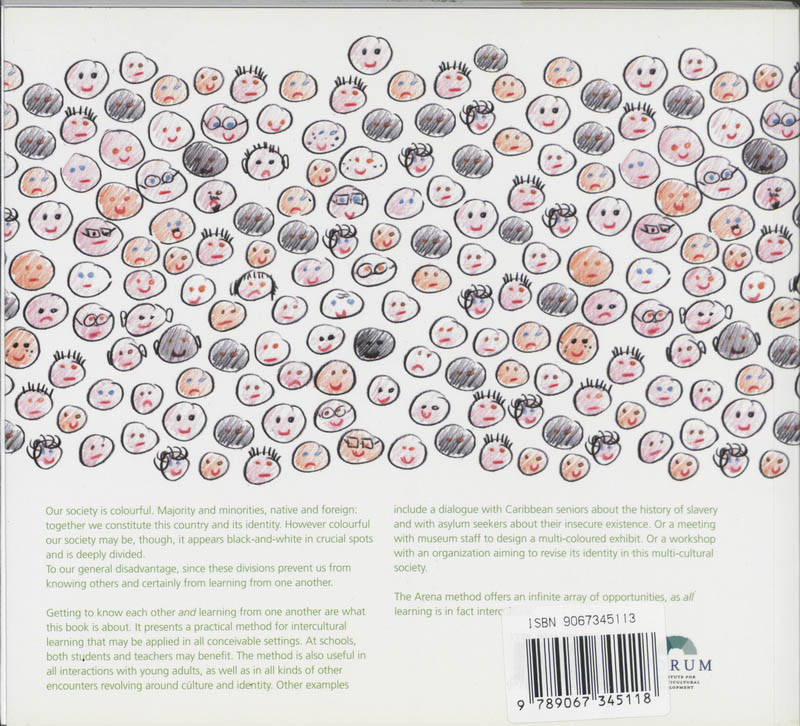
Knowing Me, Knowing You presents a practical method for intercultural learning that may be applied in all conceivable settings. At schools, both students and prospective and current teachers may benefit. The method is also useful in all interactions with young adults, as well as in all kinds of other encounters revolving around culture and identity. Other examples include a dialogue with Caribbean seniors about the history of slavery and with asylum seekers about their insecure existence. Or a meeting with museum staff to design a multi-coloured exhibit. Or a workshop with an organization aiming to revise its identity in this multicultural society.
The method in this book is based on the Arena model developed by Professor Ido Abram in association with Jenny Wesly, artist and trainer. In the arena of life and learning which can be either a battleground or a stage two images converge: how you perceive yourself (identity), and how others perceive you (imago). These images are not always accurate and are in any case never completely identical. The difference between identity and imago often leads to tension and conflict but can also be the exciting start of a dialogue. And dialogue is what we want. Being receptive to one anothers culture and sphere of perception narrows the gap between identity and imago: you get to know each other (and yourself) better.
The Arena method has proven highly suitable for intercultural learning in educational programmes and workshops. Young and old, students and teachers, parents and children, professionals and volunteers, residents of majority groups and minority extraction: everybody can use the ID circle. In small groups, as a club or as an organization. In each case: participants visualize their identity, learn about each others sphere of perception and have the opportunity to adjust each others impressions. This dialogue can also enlighten views or herald an entirely new course.
The method in this book is based on the Arena model developed by Professor Ido Abram in association with Jenny Wesly, artist and trainer. In the arena of life and learning which can be either a battleground or a stage two images converge: how you perceive yourself (identity), and how others perceive you (imago). These images are not always accurate and are in any case never completely identical. The difference between identity and imago often leads to tension and conflict but can also be the exciting start of a dialogue. And dialogue is what we want. Being receptive to one anothers culture and sphere of perception narrows the gap between identity and imago: you get to know each other (and yourself) better.
The Arena method has proven highly suitable for intercultural learning in educational programmes and workshops. Young and old, students and teachers, parents and children, professionals and volunteers, residents of majority groups and minority extraction: everybody can use the ID circle. In small groups, as a club or as an organization. In each case: participants visualize their identity, learn about each others sphere of perception and have the opportunity to adjust each others impressions. This dialogue can also enlighten views or herald an entirely new course.
In het kort
Bibliografisch
ISBN-139789067345118
Editie1
TaalNederlands dut
Pagina’s79
GeïllustreerdJa
Uitgave
UitgeverGuijs, Uitgeverij Ger
CB-relatie-id7000683
Verschenen1 april 2006
StatusInactief 08
BeschikbaarheidContact leverancier 99
Adviesprijs (incl. btw)€ 25,00
Vorm & inhoud
ProductvormPaperback BC
SamenstellingLos product
Classificatie
NUR (hoofd)Multiculturalisme 763
NUR (alle)763 Multiculturalisme
Medewerkers
Auteur A01I.B.H. Abram
Auteur A01J. Wesly
Herkomst
Werk-id (NSTC)500677539
MeldingBevestigd bij publicatie 03
Bijgewerkt6 augustus 2026
Lijkt op dit boek
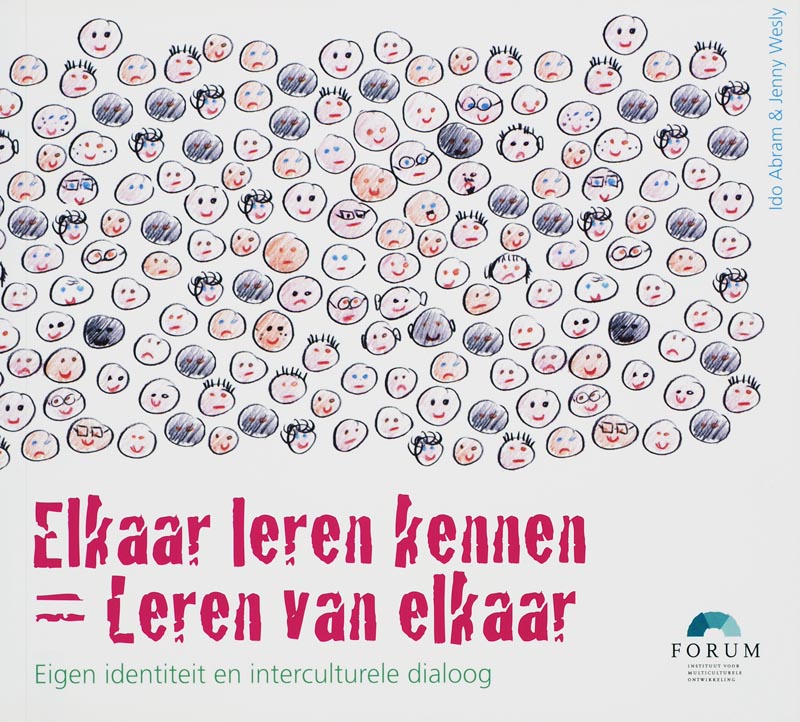
Elkaar leren kennen = Leren van elkaar
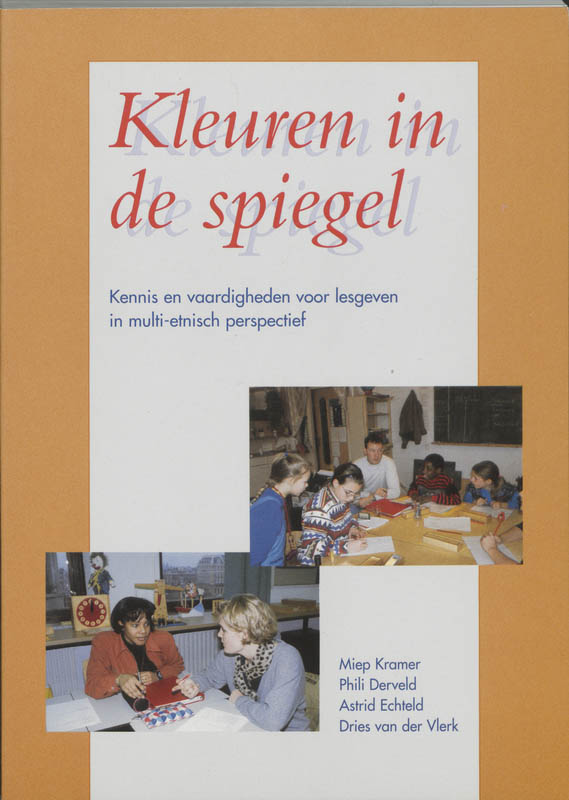
Kleuren in de spiegel
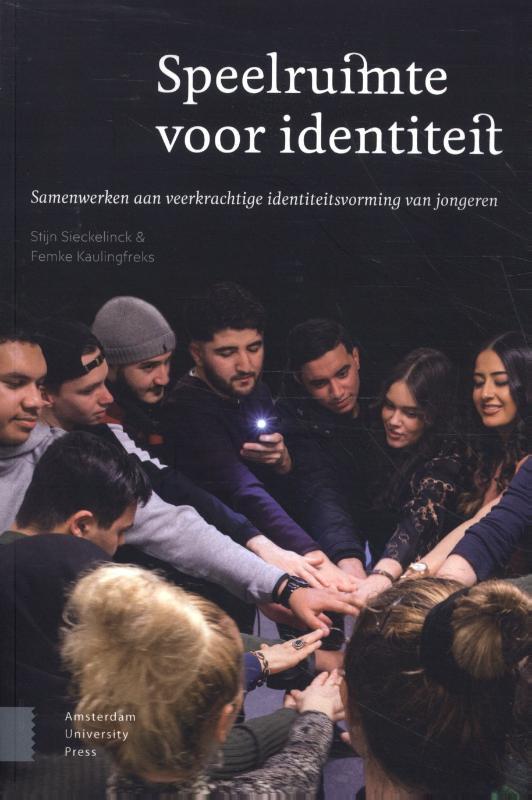
Speelruimte voor identiteit
Groeien in interlevensbeschouwelijke competenties

In dialoog
Diversiteit in het sociaal domein
Intercultureel onderwijs in de praktijk
Tot de waar de beide zeeen samenkomen
Tot waar de beide zeeën samenkomen
Denken en dialogeren over identiteit
NSTC 500677539 · CB-relatie 7000683 · Bijgewerkt 6 augustus 2026